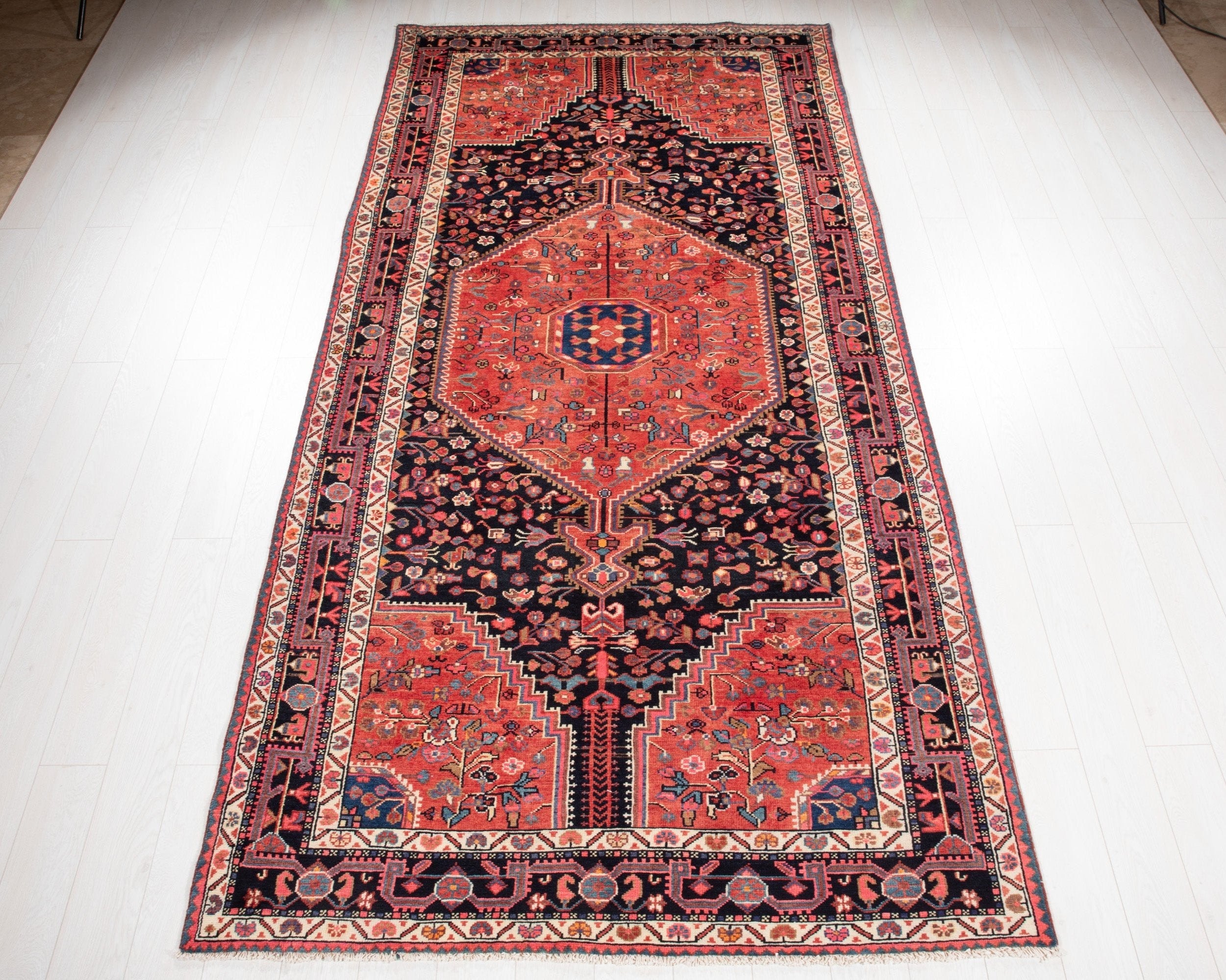
Persian Toiserkan Rugs – Vintage Hand-Knotted Wool Rugs
Vintage hand-knotted Toiserkan (Tuyserkan) rugs from the Hamadan region, known for sturdy, architectural medallion layouts and durable wool.
The Toiserkan Weaving Tradition
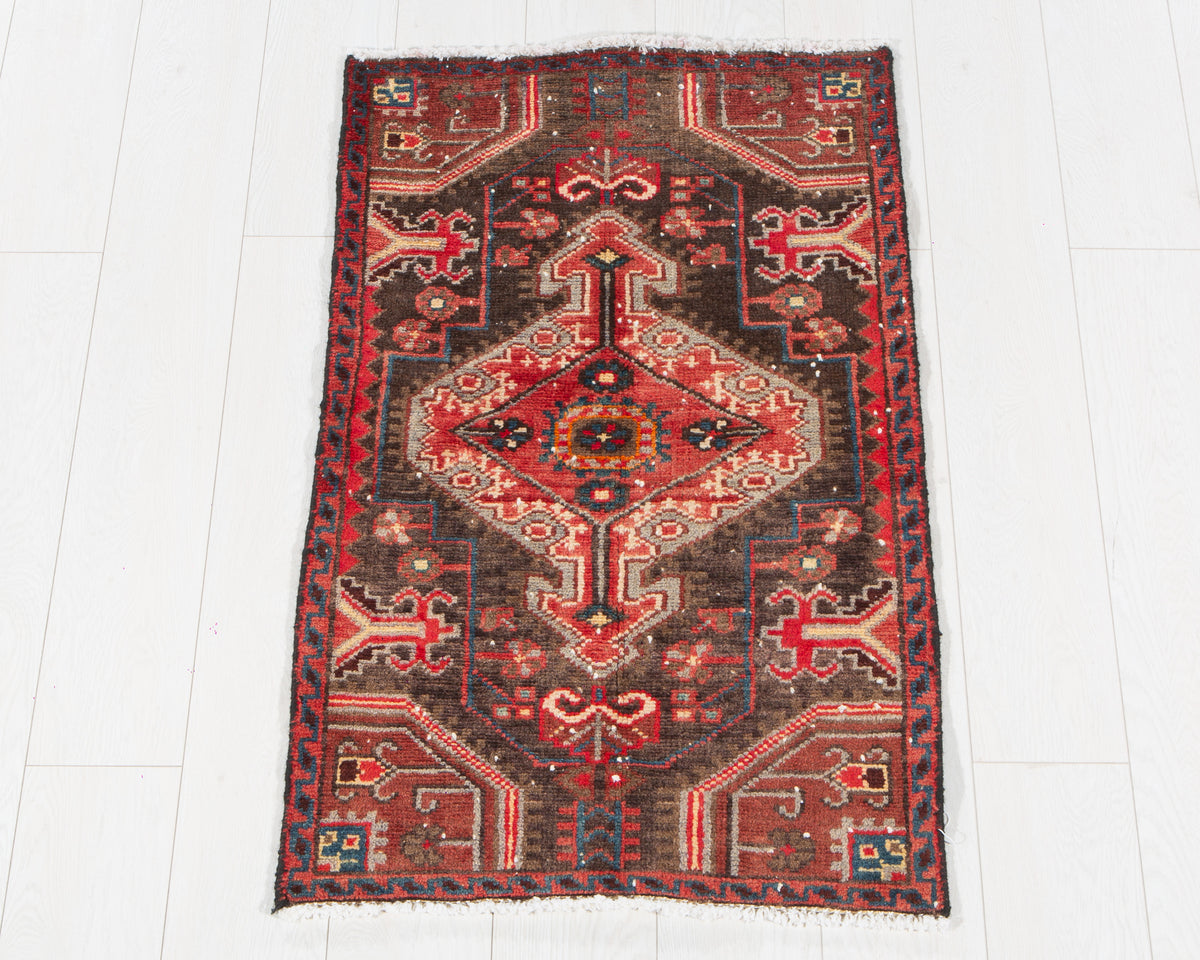
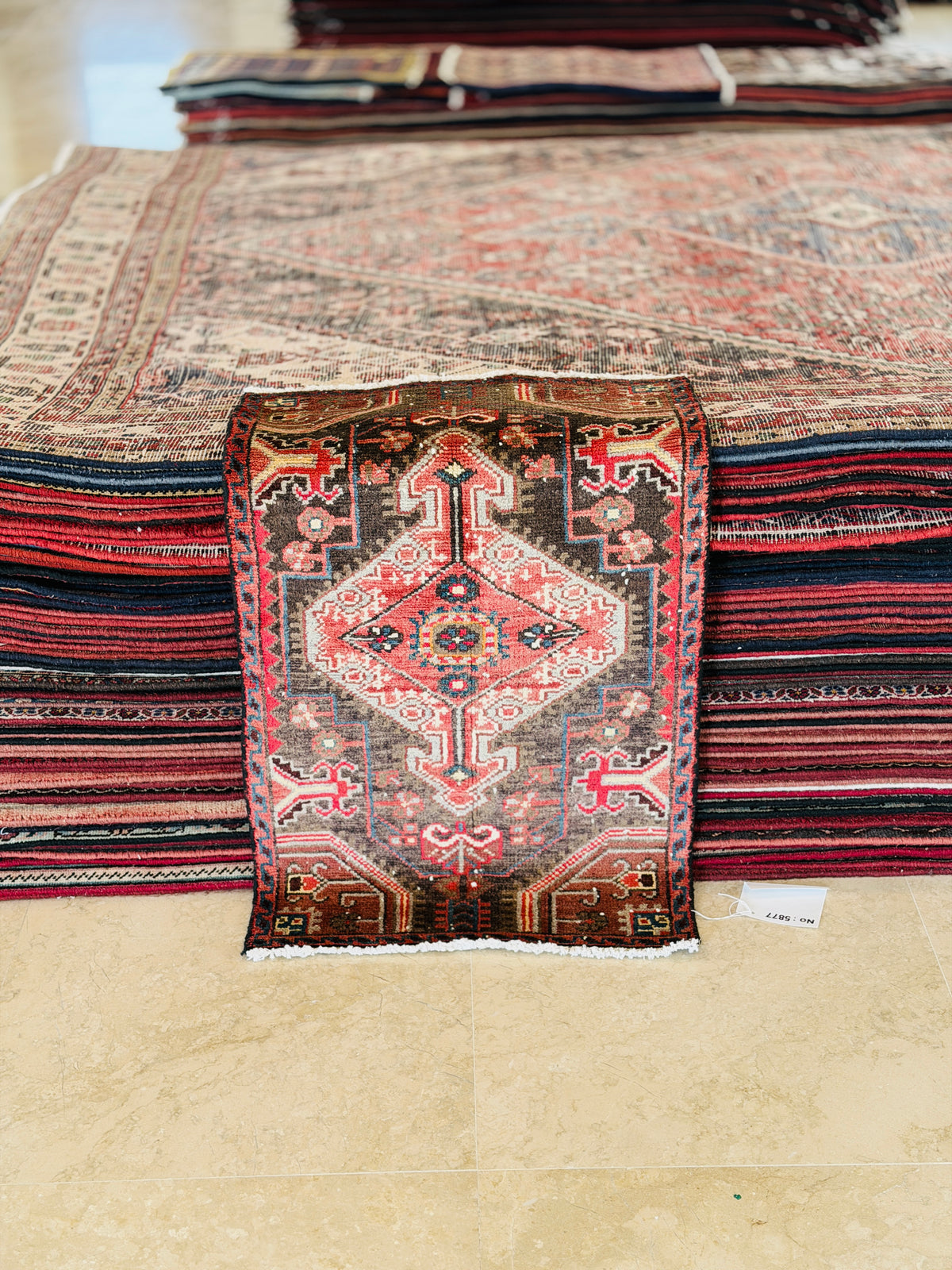
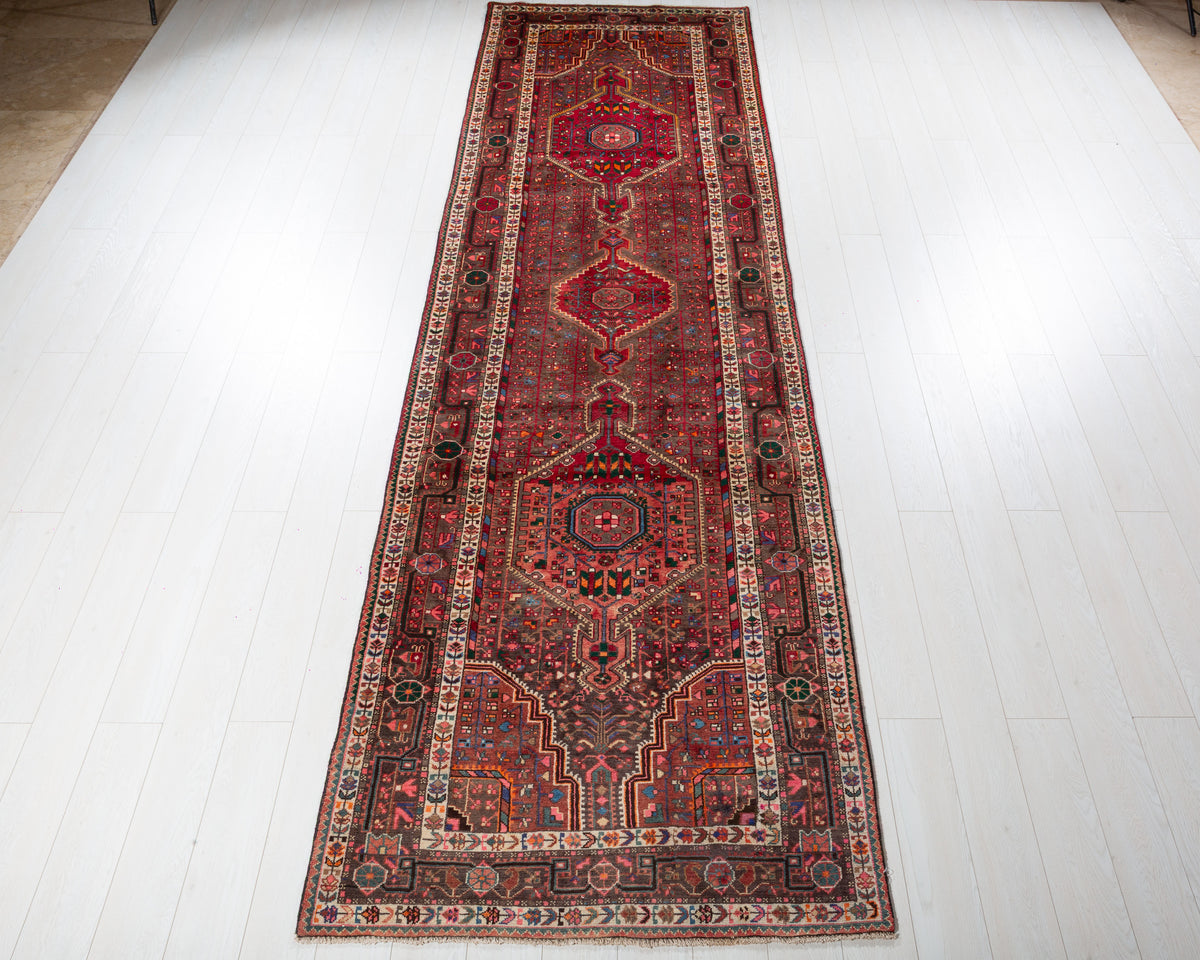
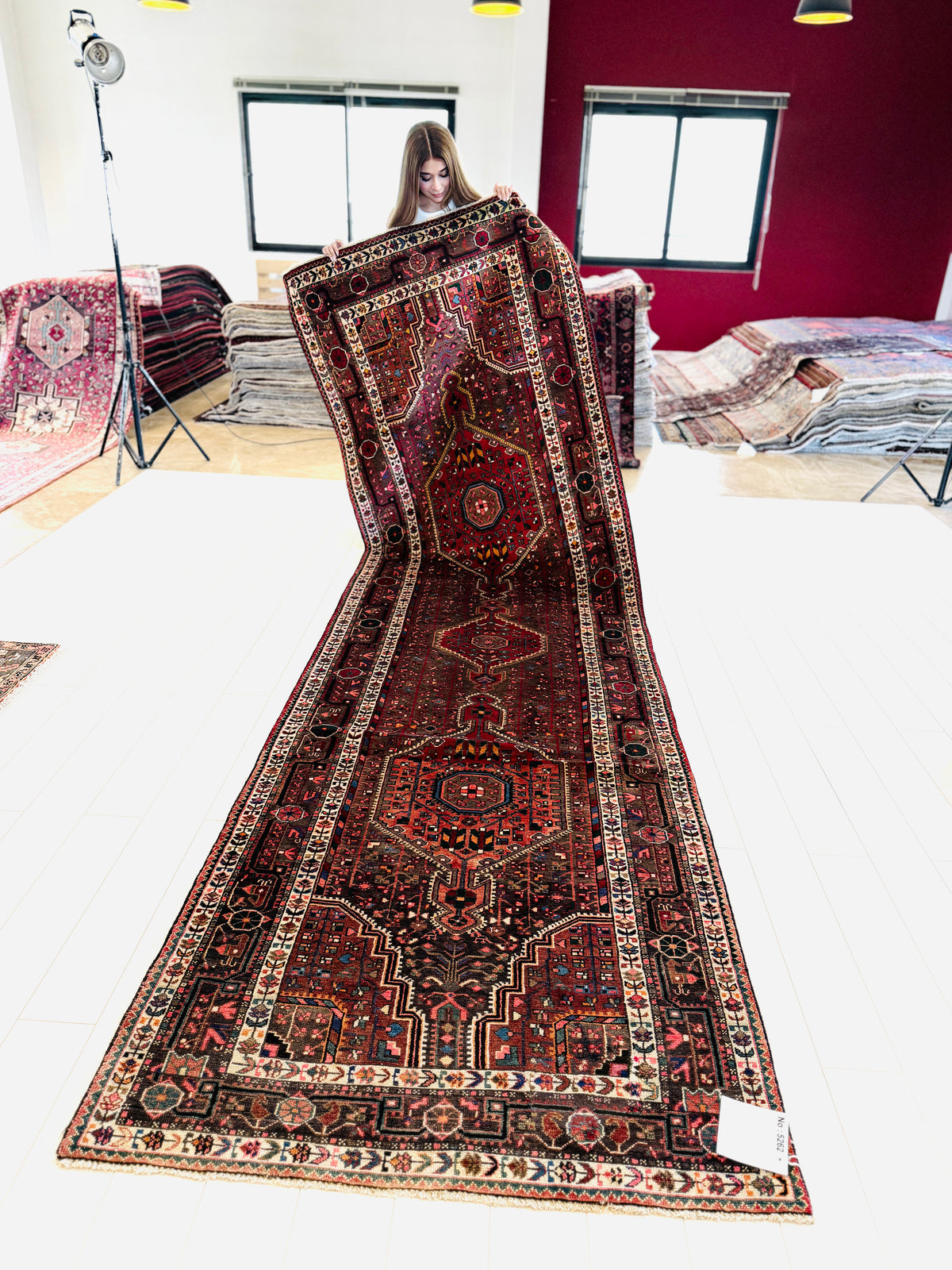
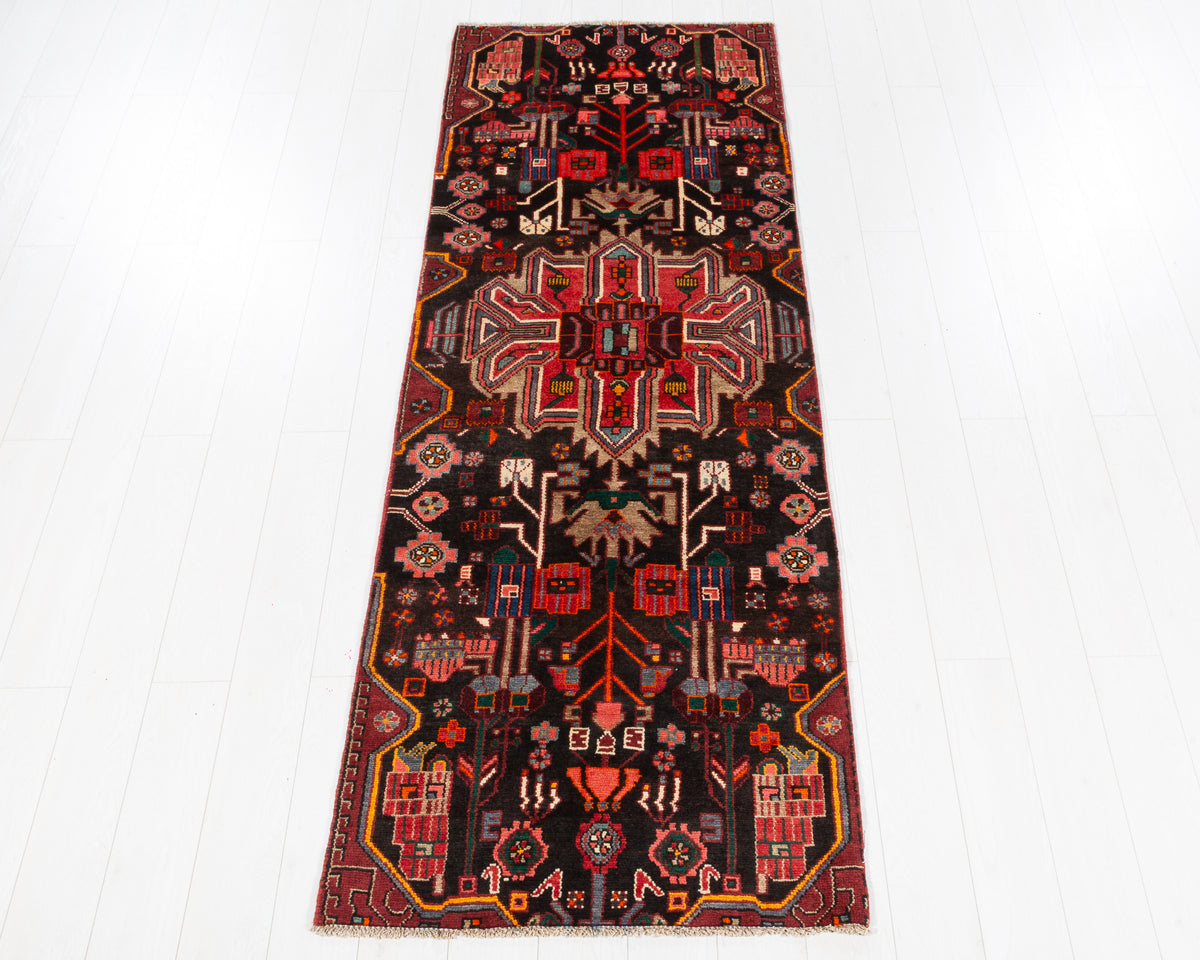
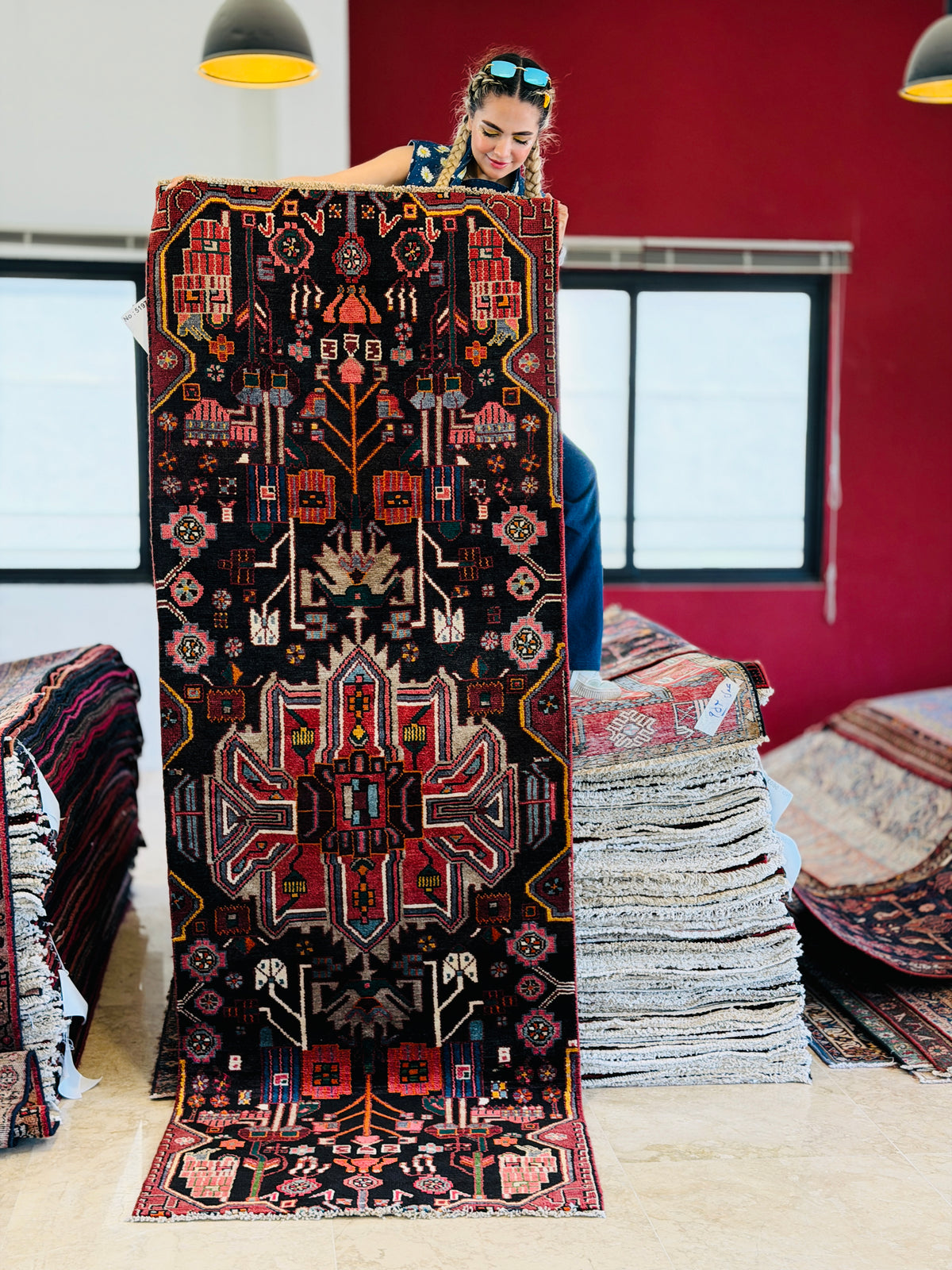
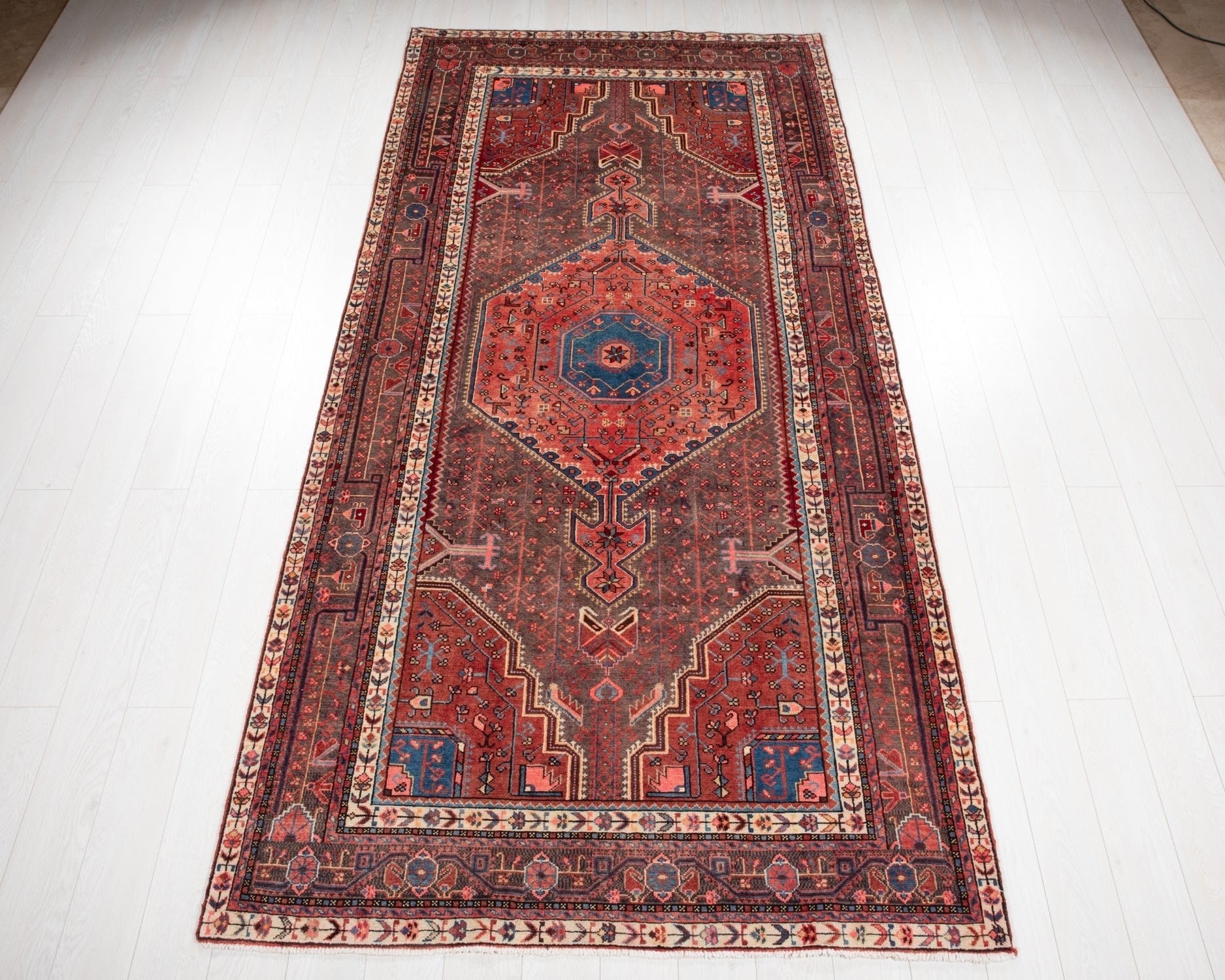
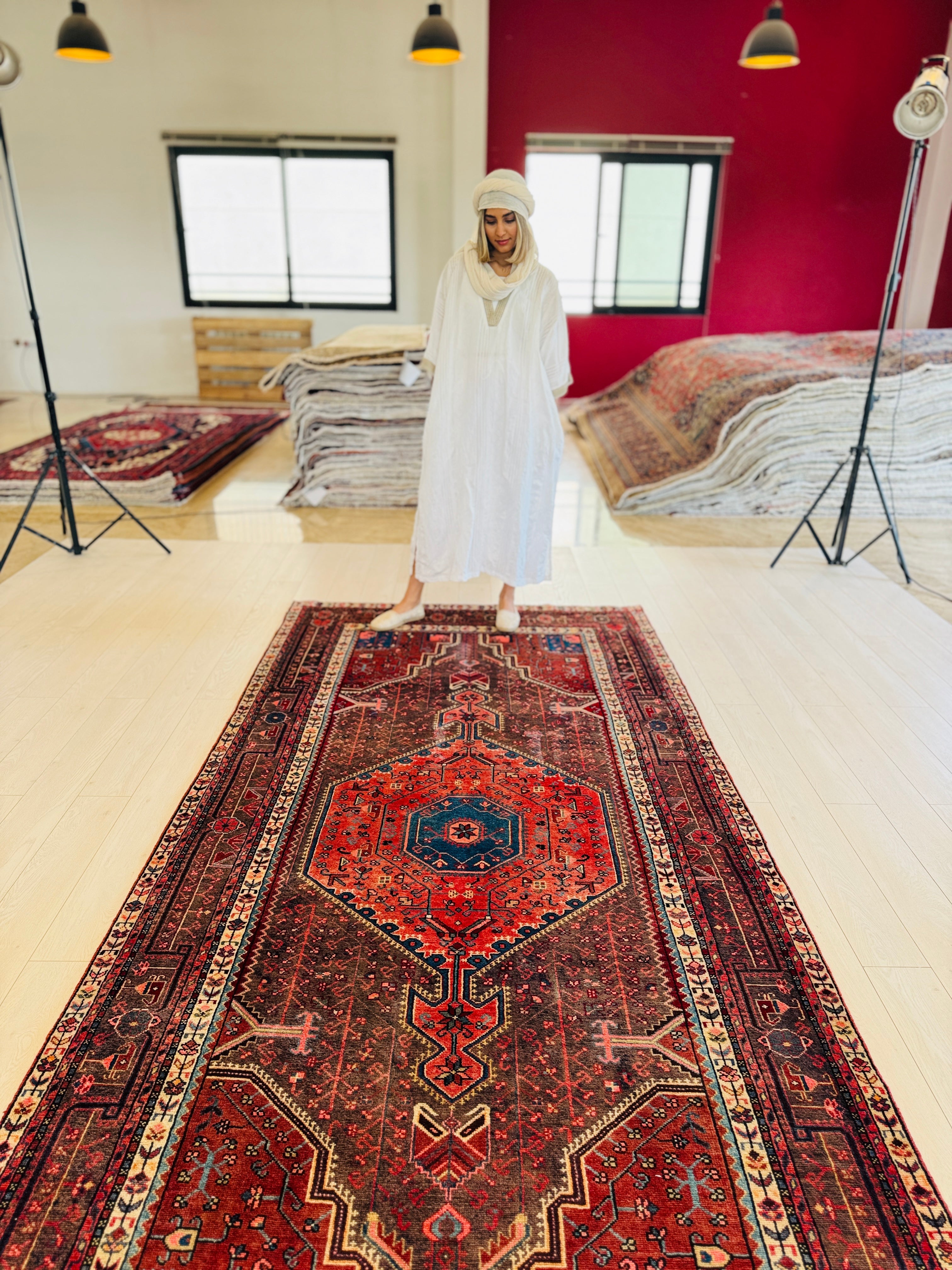
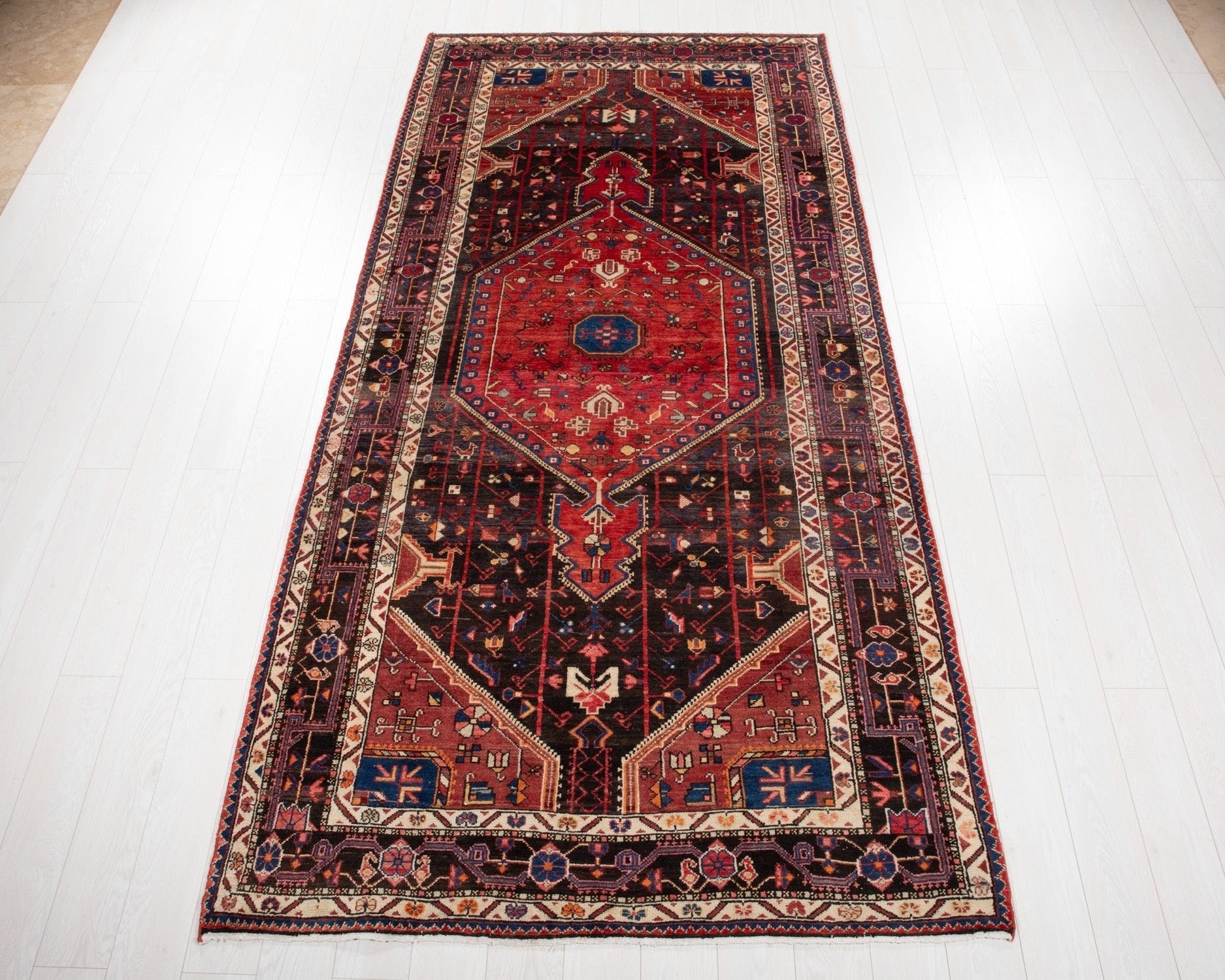
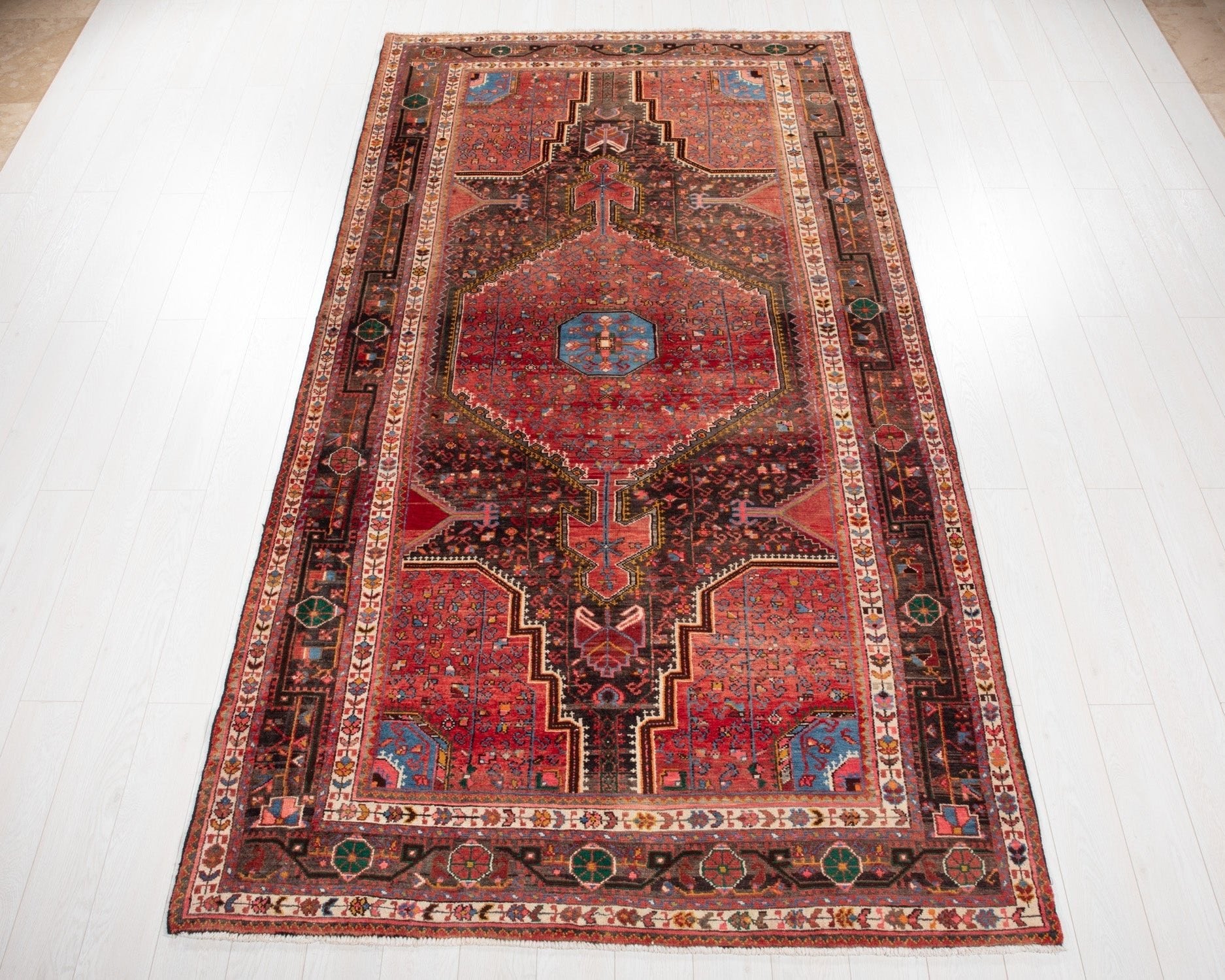
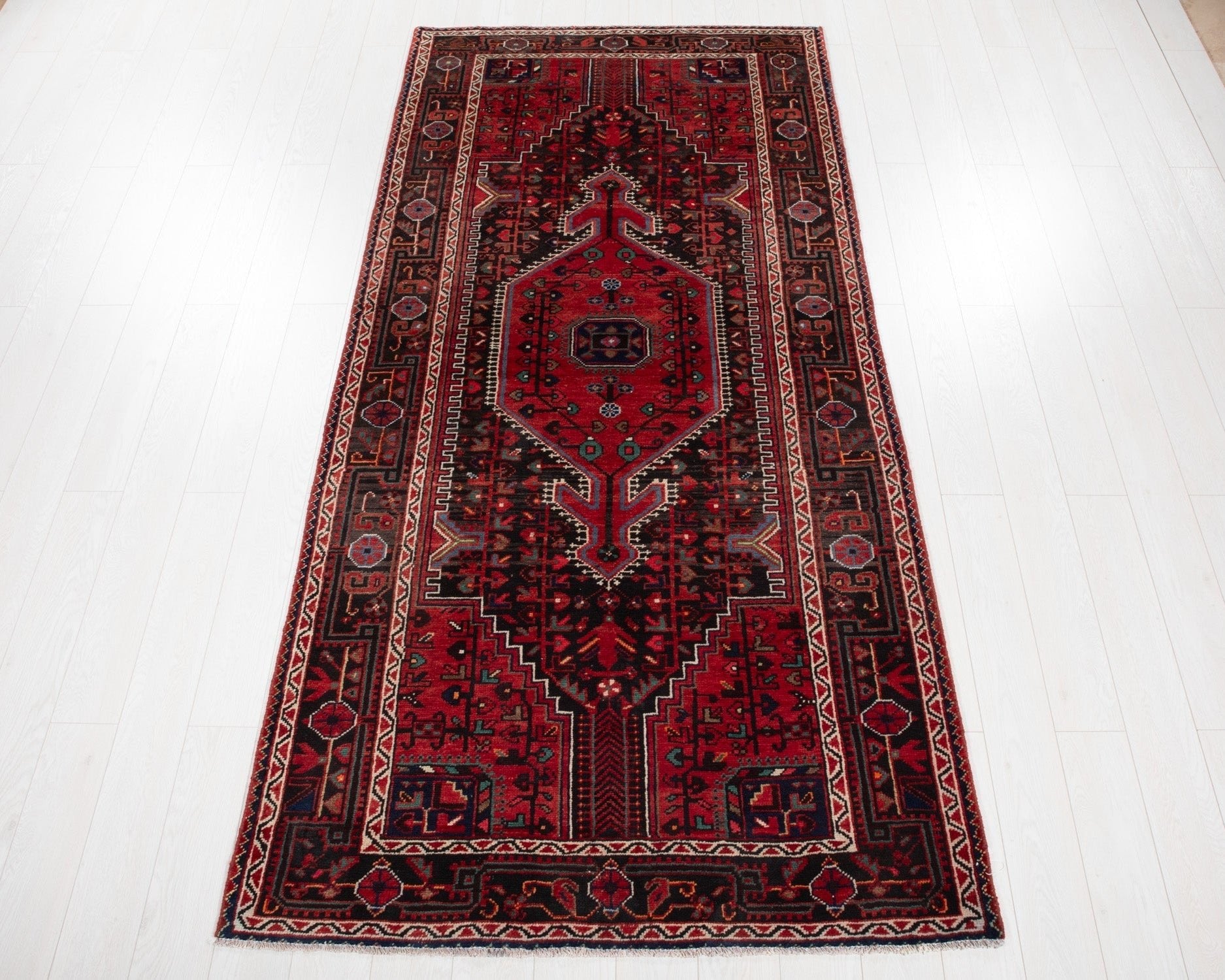
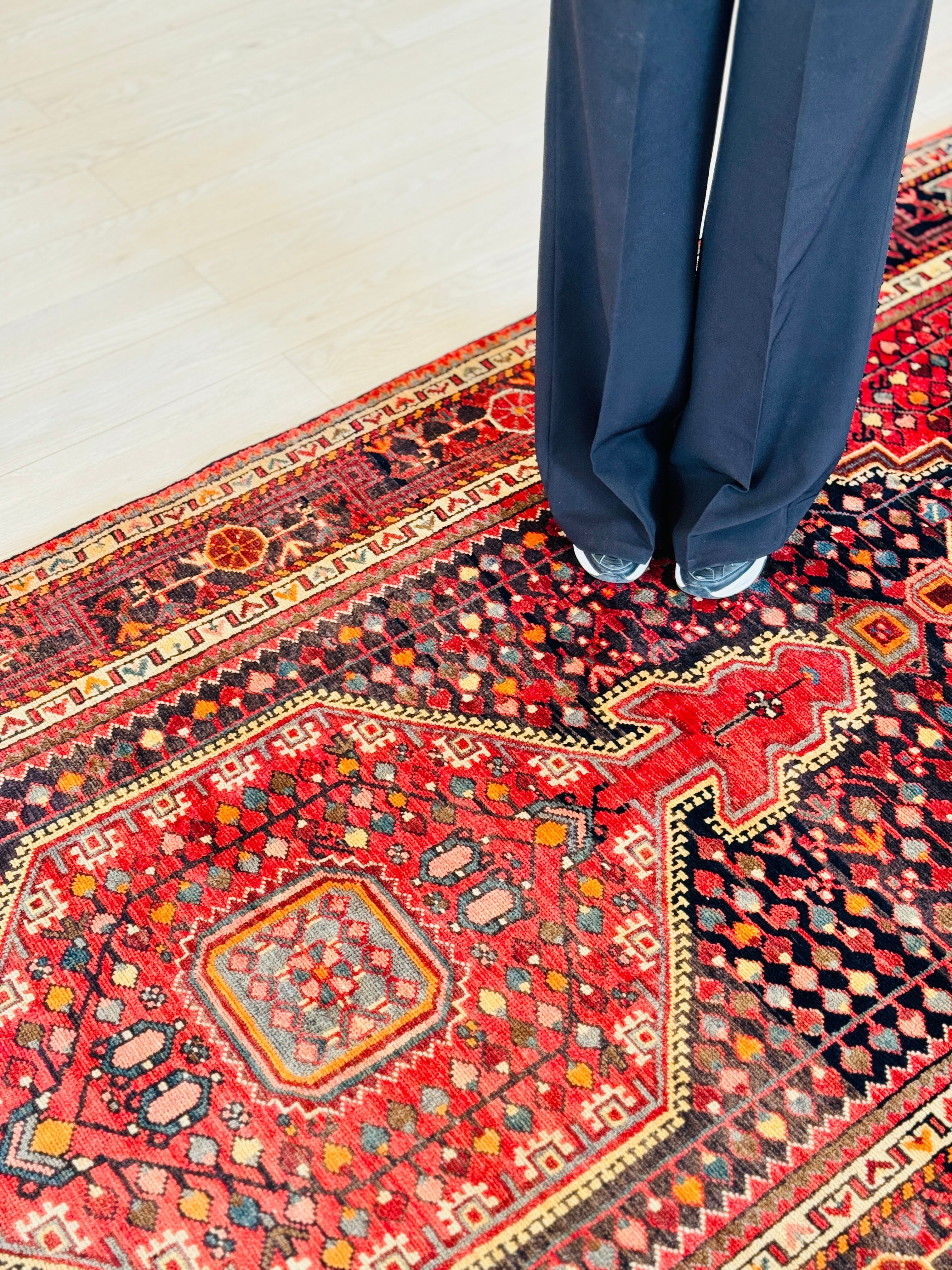
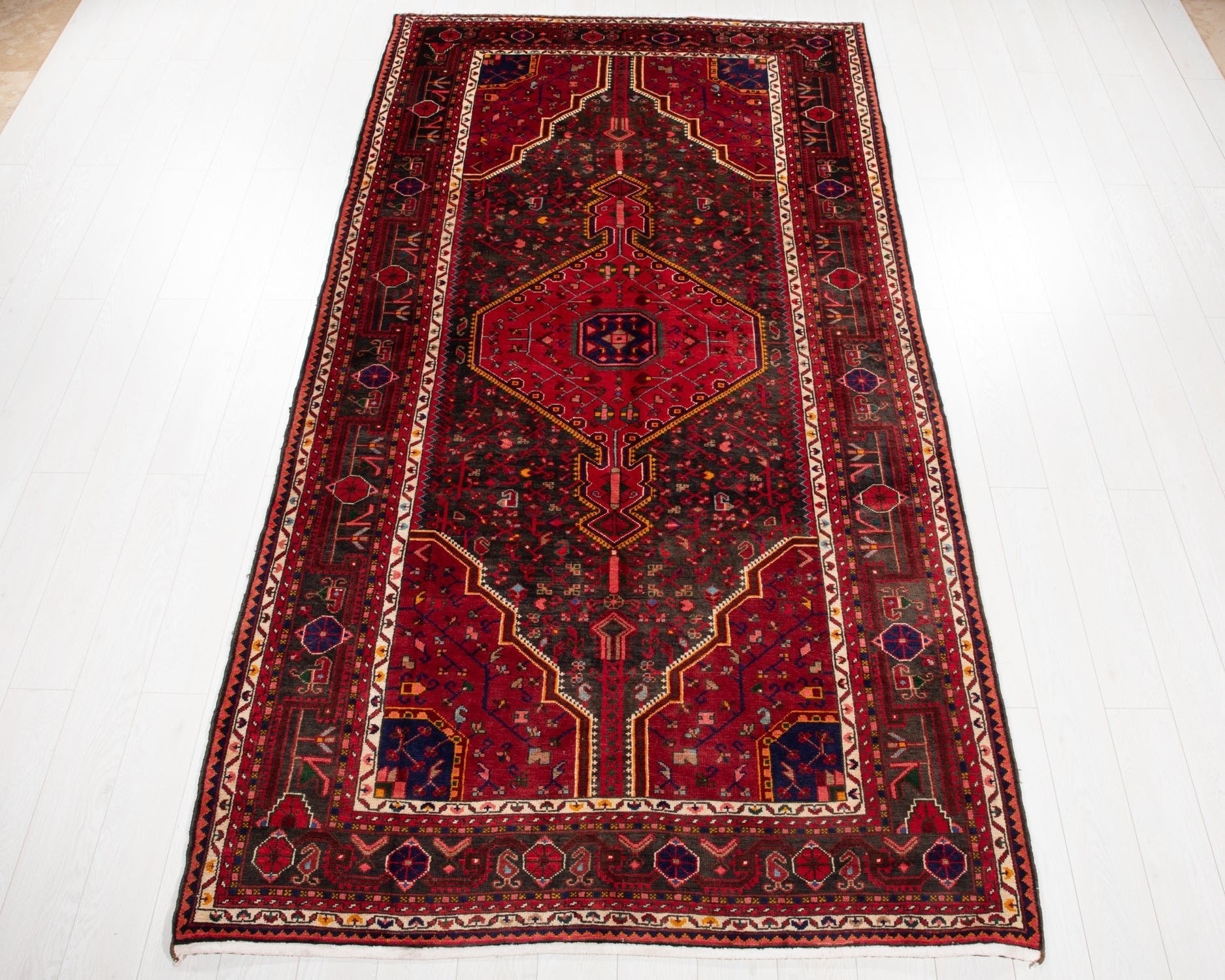
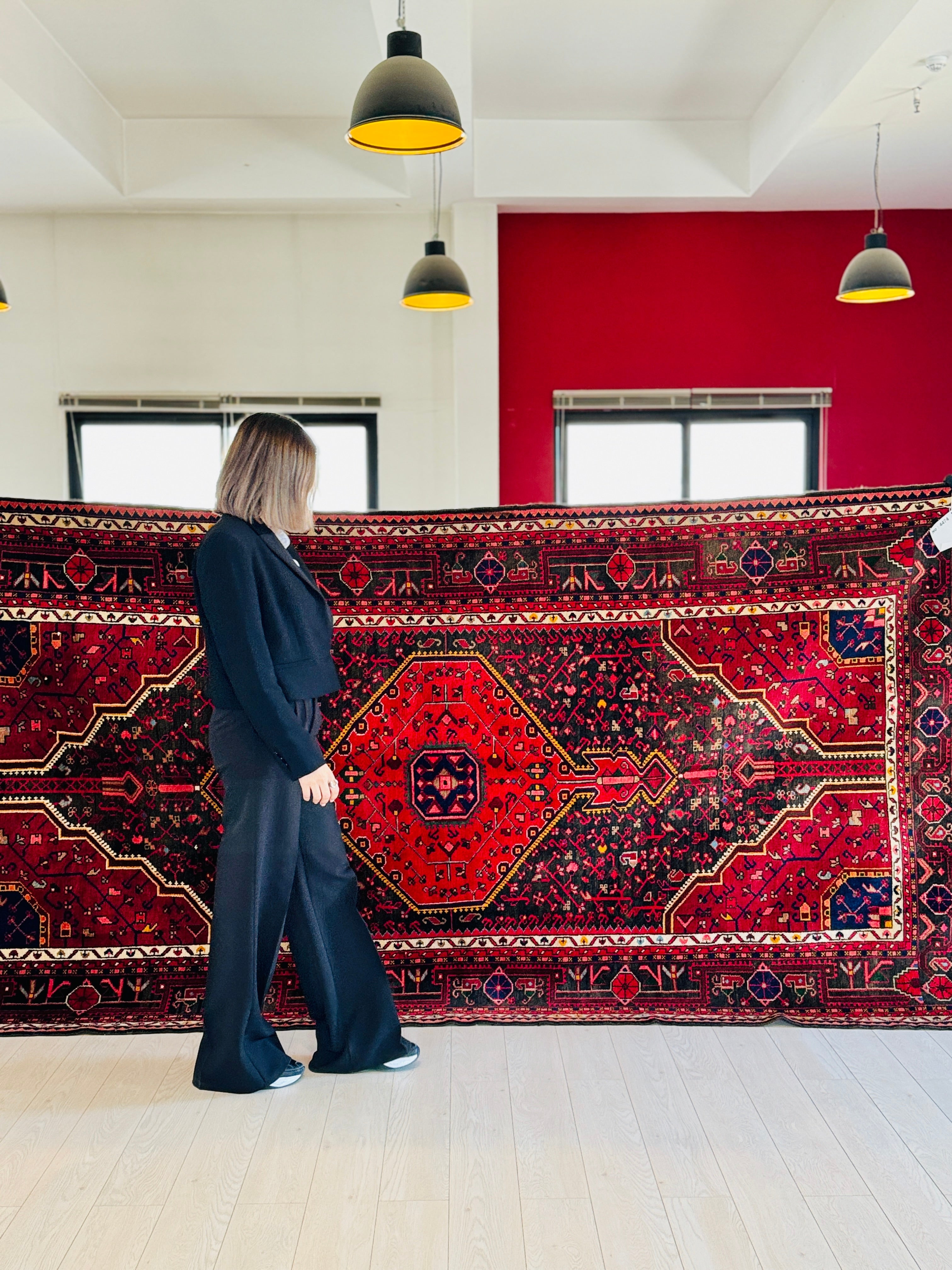
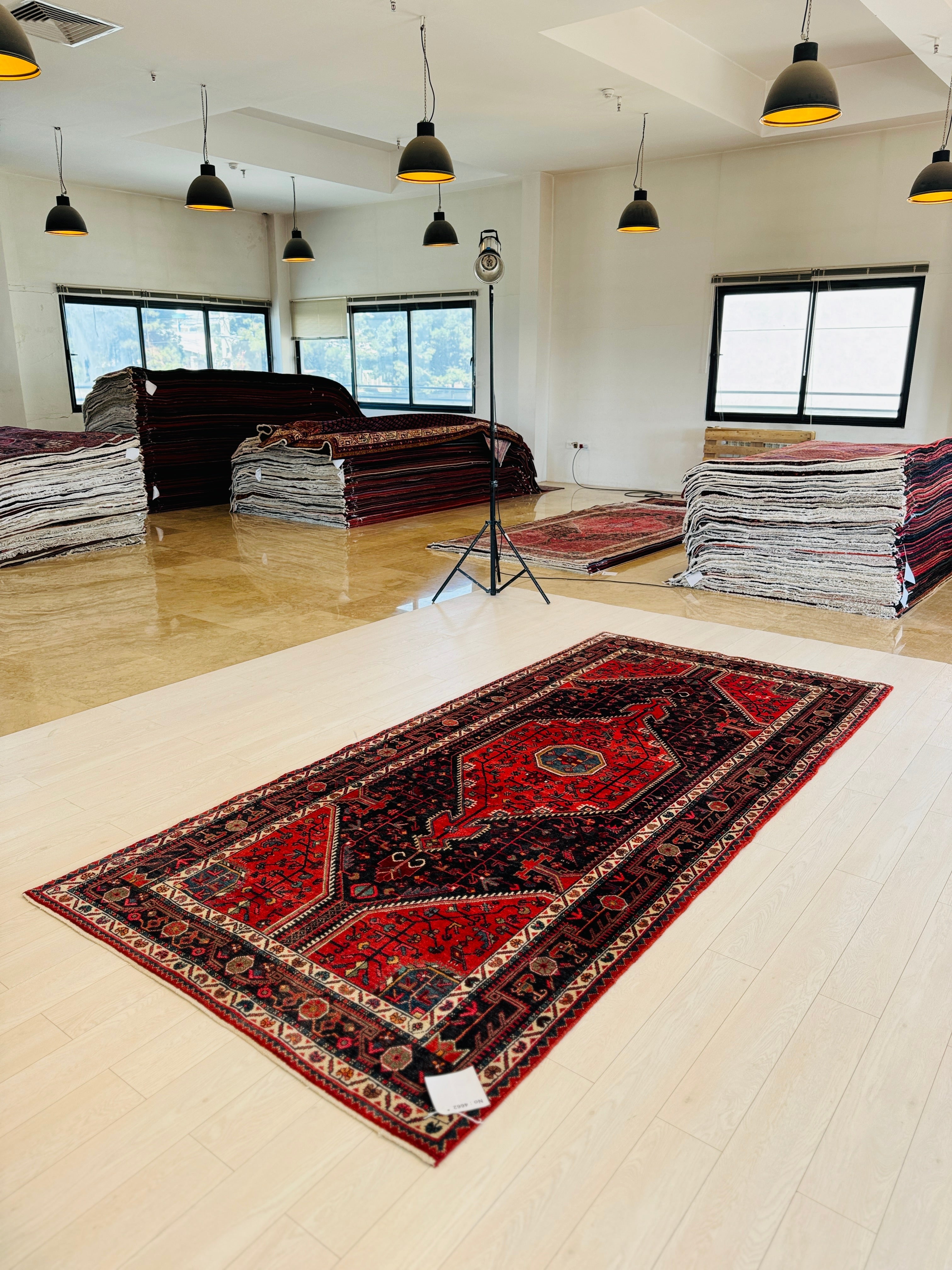
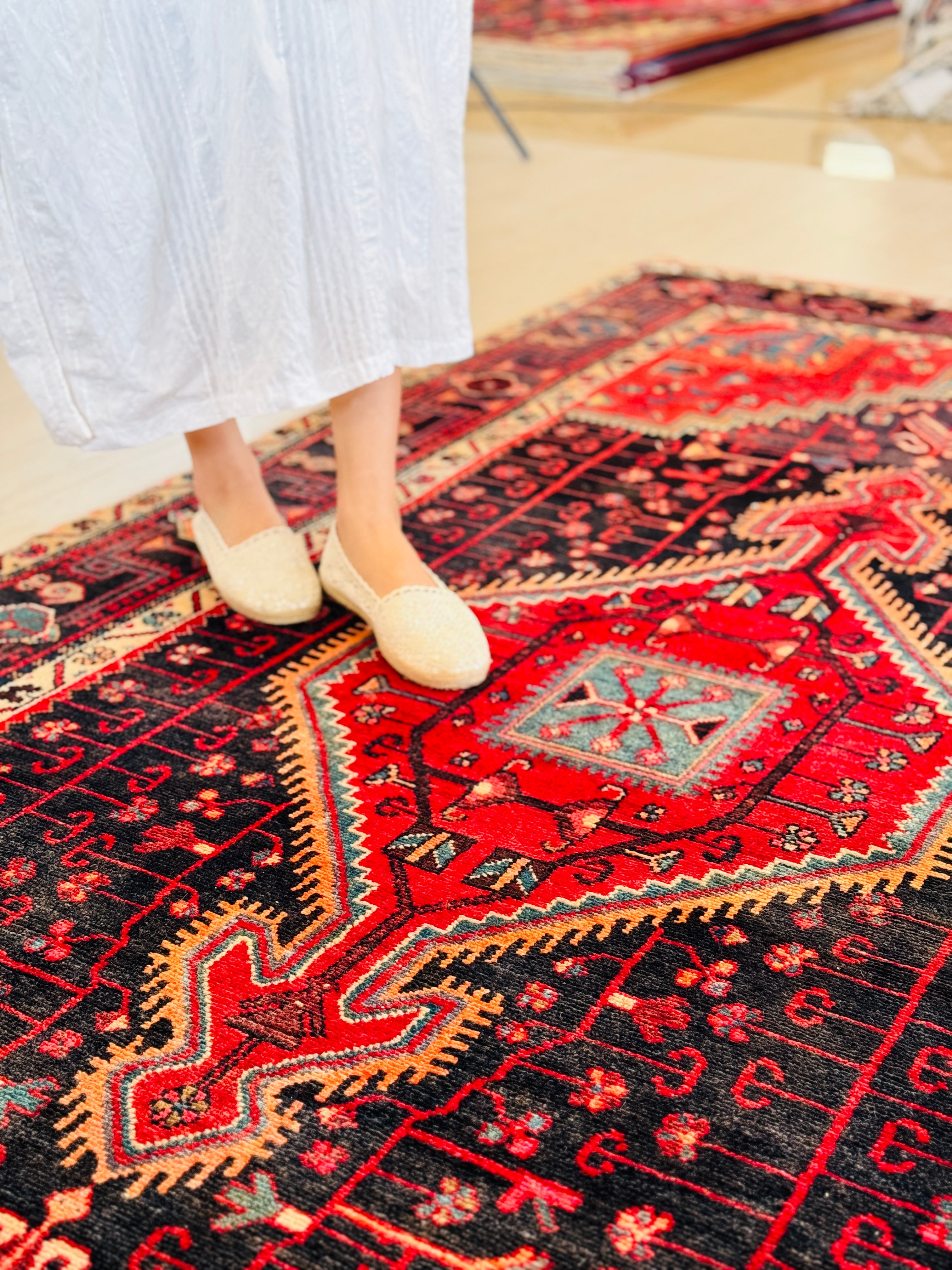
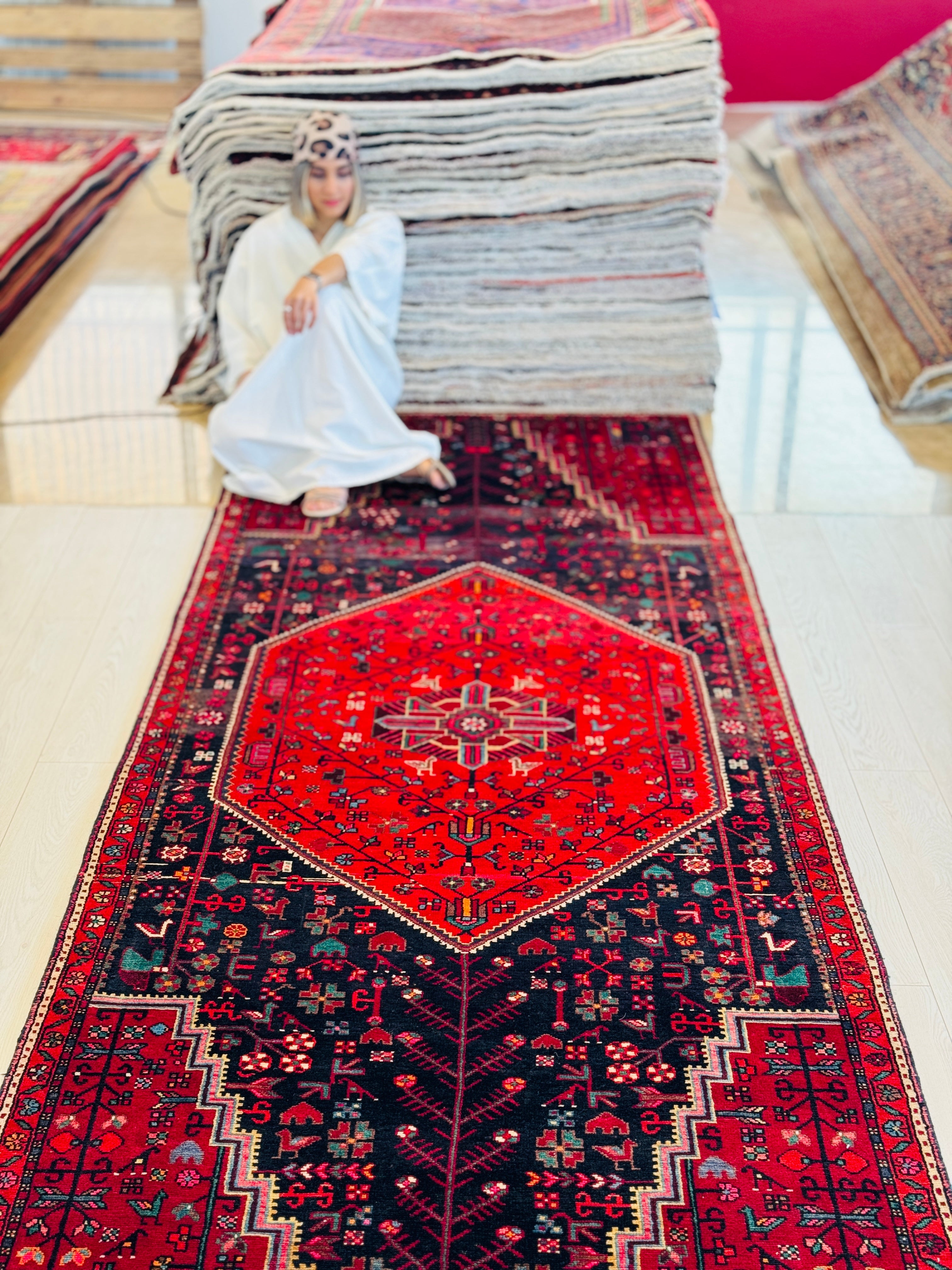
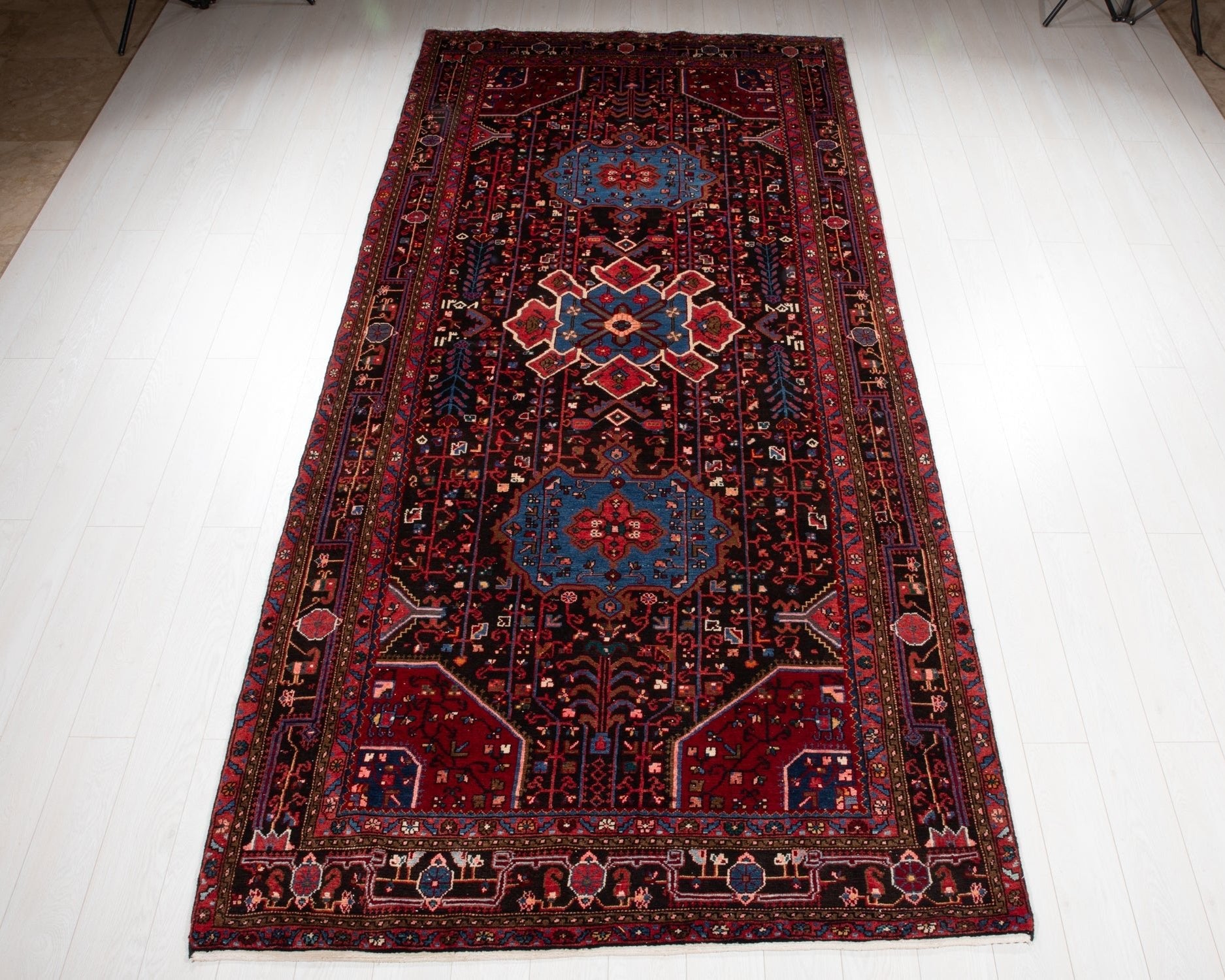
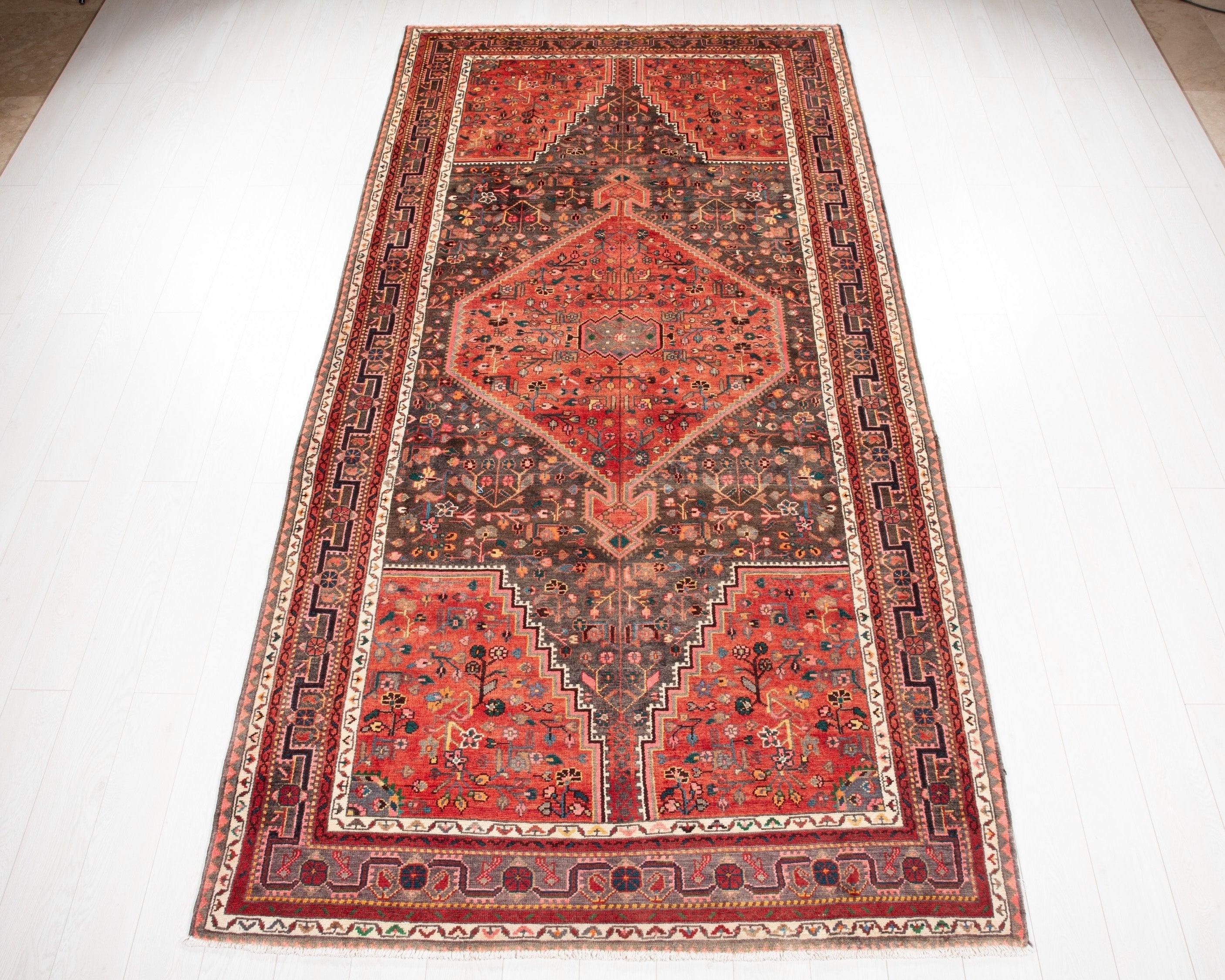
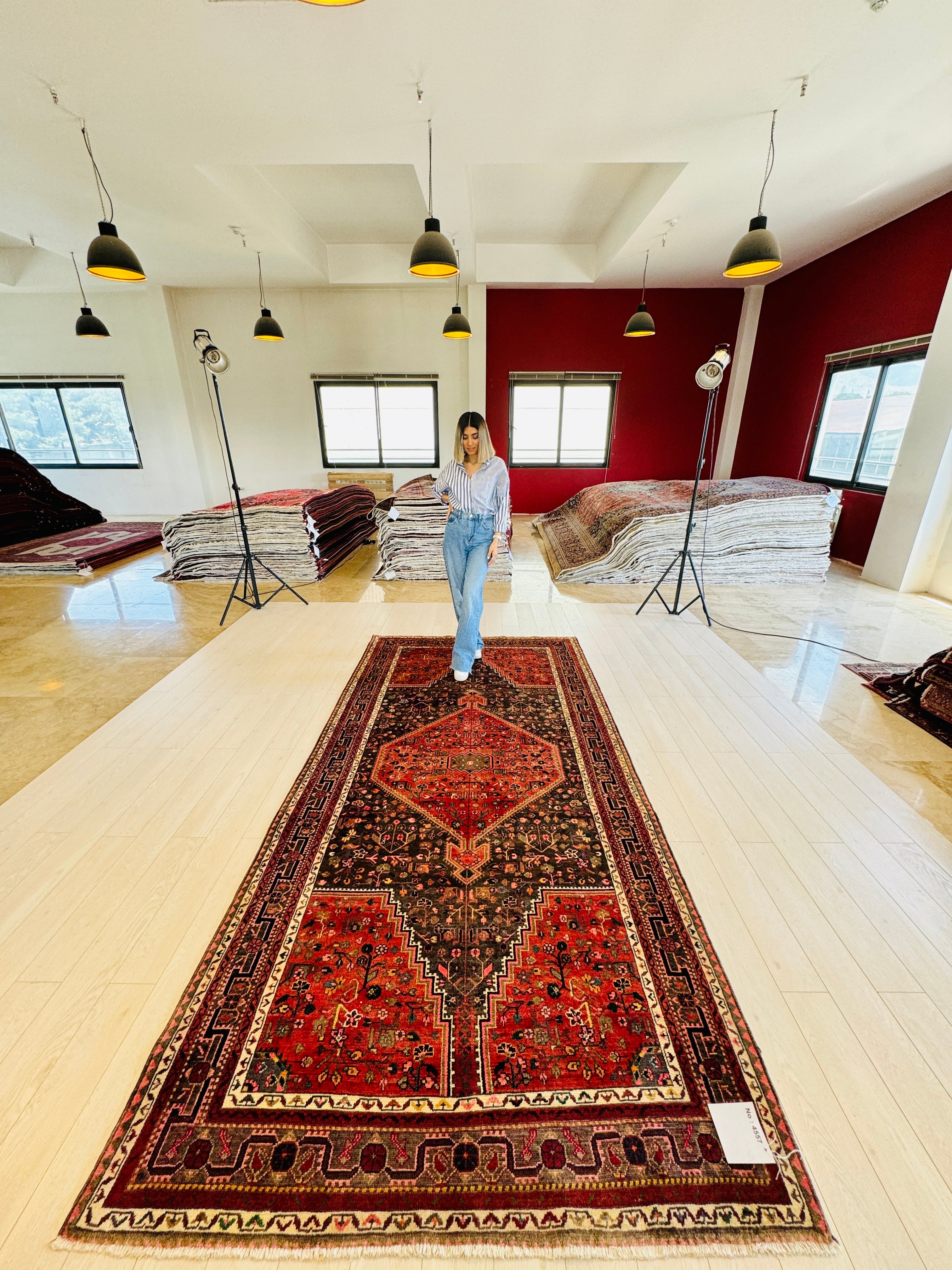
Toiserkan (also spelled Tuyserkan) is a historic town in western Persia's Hamadan province, perhaps best known outside the rug world as the birthplace of the 11th-century Persian poet Baba Taher — a detail that speaks to how old and culturally rooted this weaving town actually is. Rug production here developed as part of the broader Hamadan trading network, but Toiserkan weavers carved out their own recognizable style within it, distinct enough that dealers and collectors have long treated "Toiserkan" as a name worth calling out on its own. What defines a Toiserkan rug is a certain structural confidence: sturdy, architectural medallion layouts, often built from repeating geometric forms rather than the softer floral patterning found in some neighboring villages. The palette tends toward deep, grounded reds and blues, giving the finished rug a solid, substantial presence rather than a delicate one. Like other Hamadan-region weaves, Toiserkan rugs are typically single-wefted, a construction method that trades some of the fineness of double-wefted city weaves for a flatter, more resilient handle built for real daily use. That combination of bold design and durable construction is exactly why vintage Toiserkan rugs have aged so well. These are rugs meant to be walked on, lived with, and passed down — gaining character with wear rather than losing it. Every piece in this collection is a genuine vintage Persian rug, hand-selected for structural soundness and authentic craftsmanship — no two are alike.