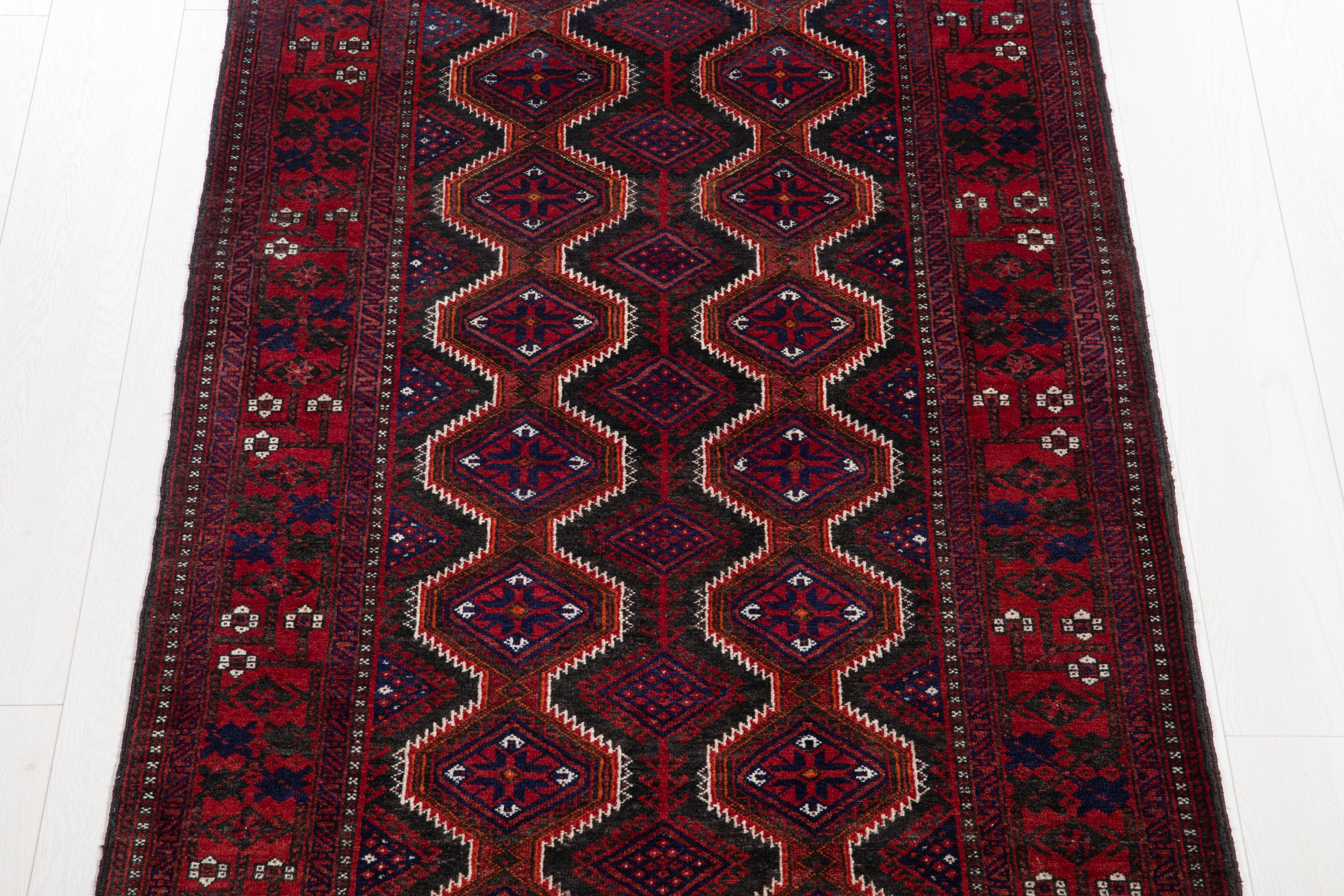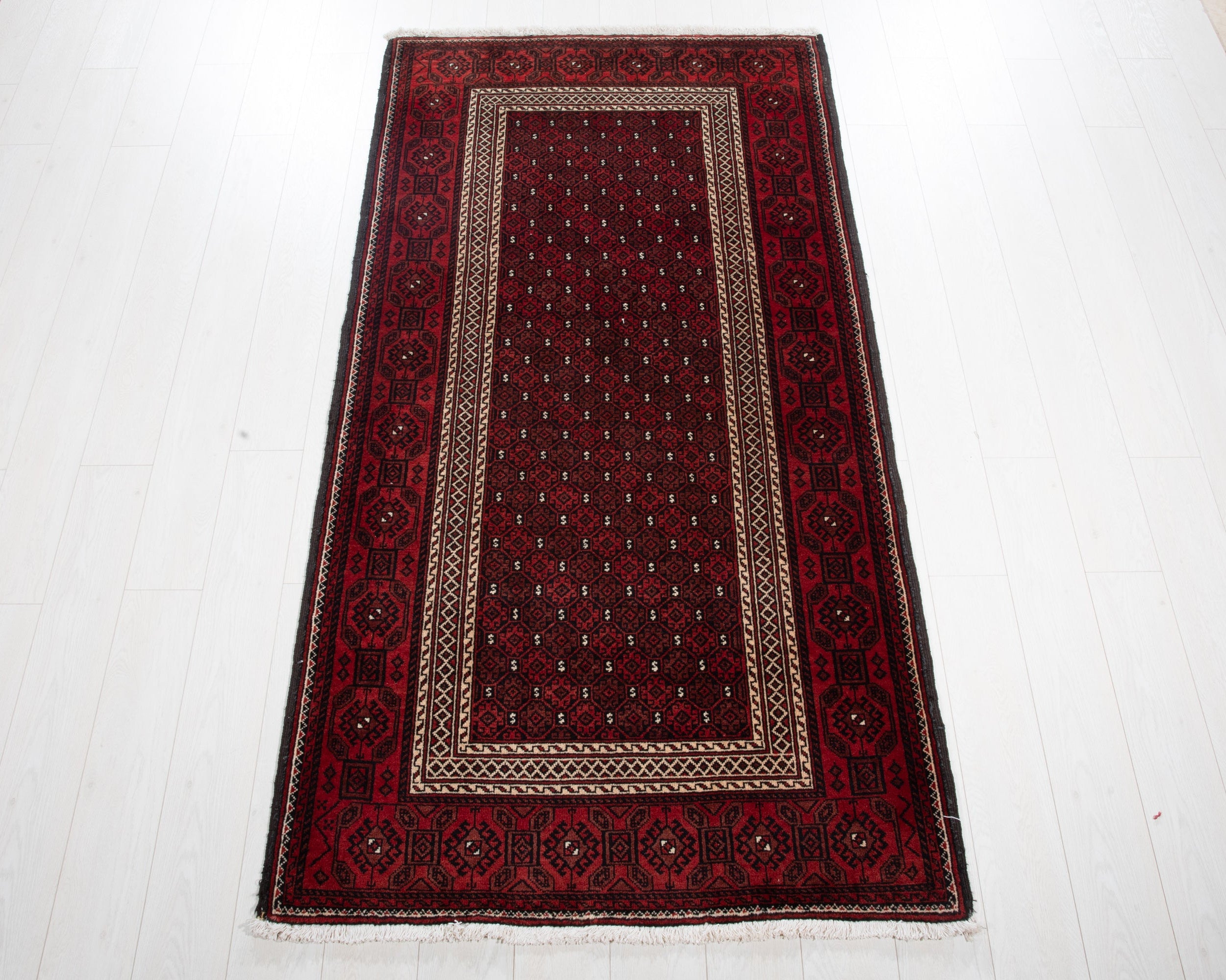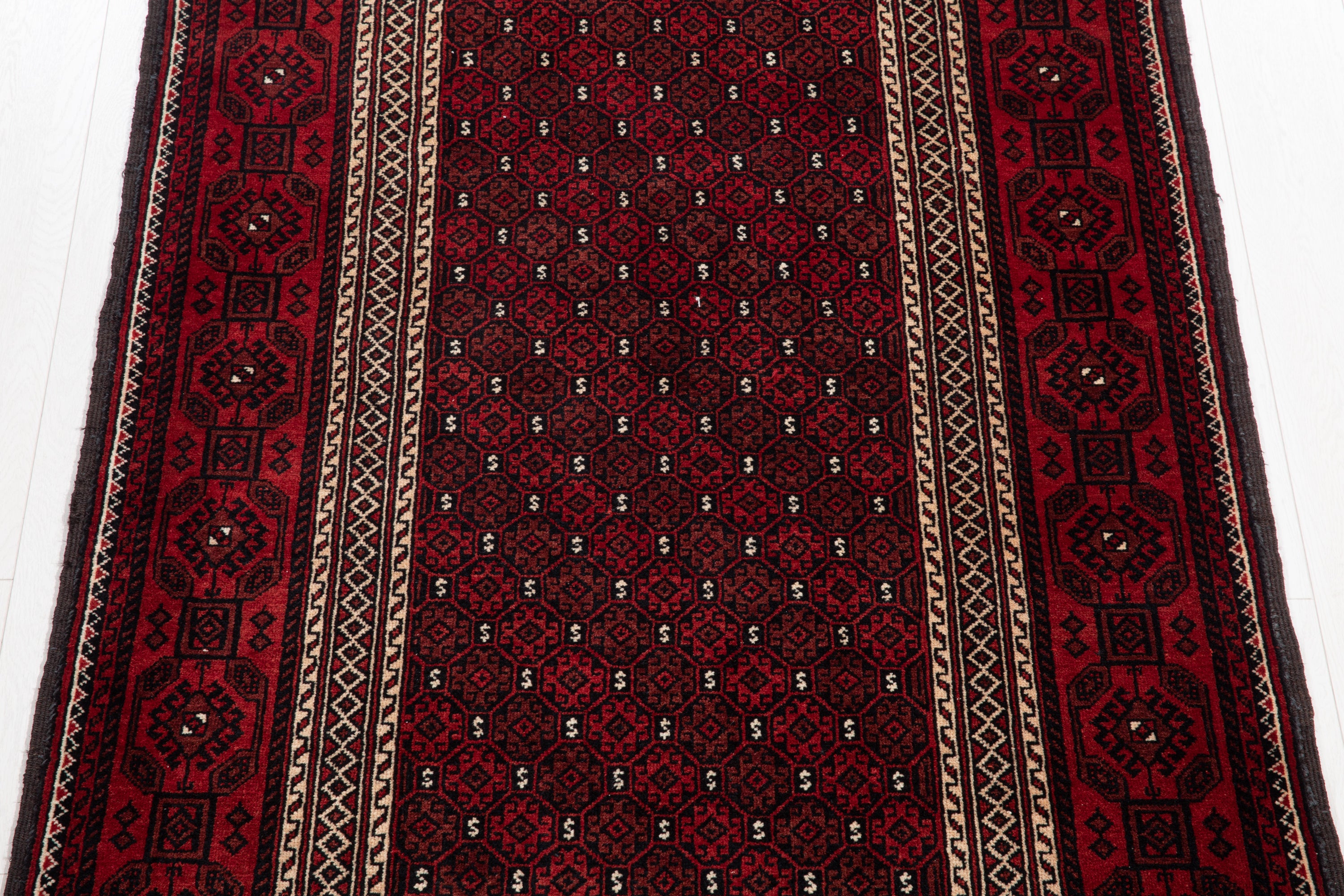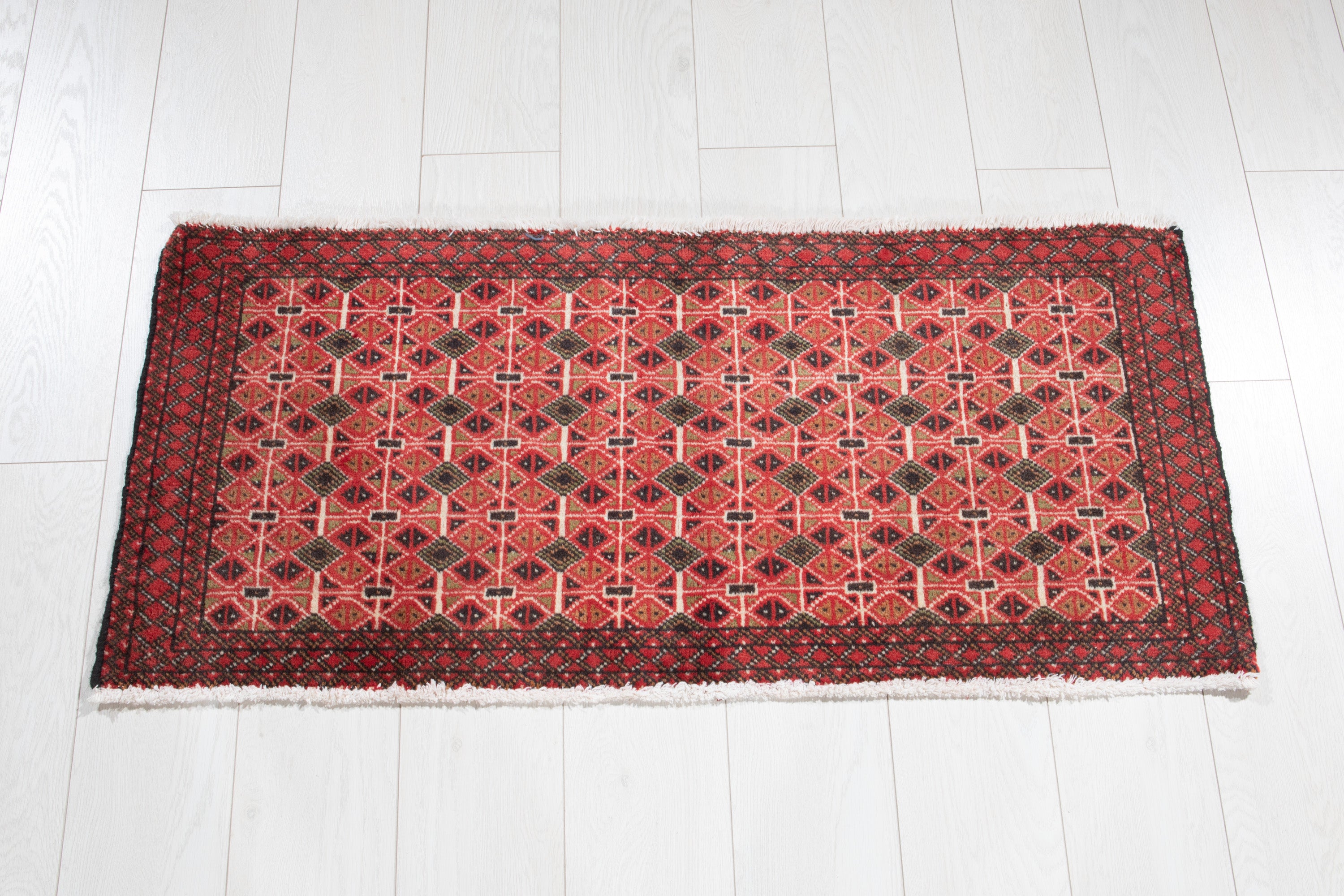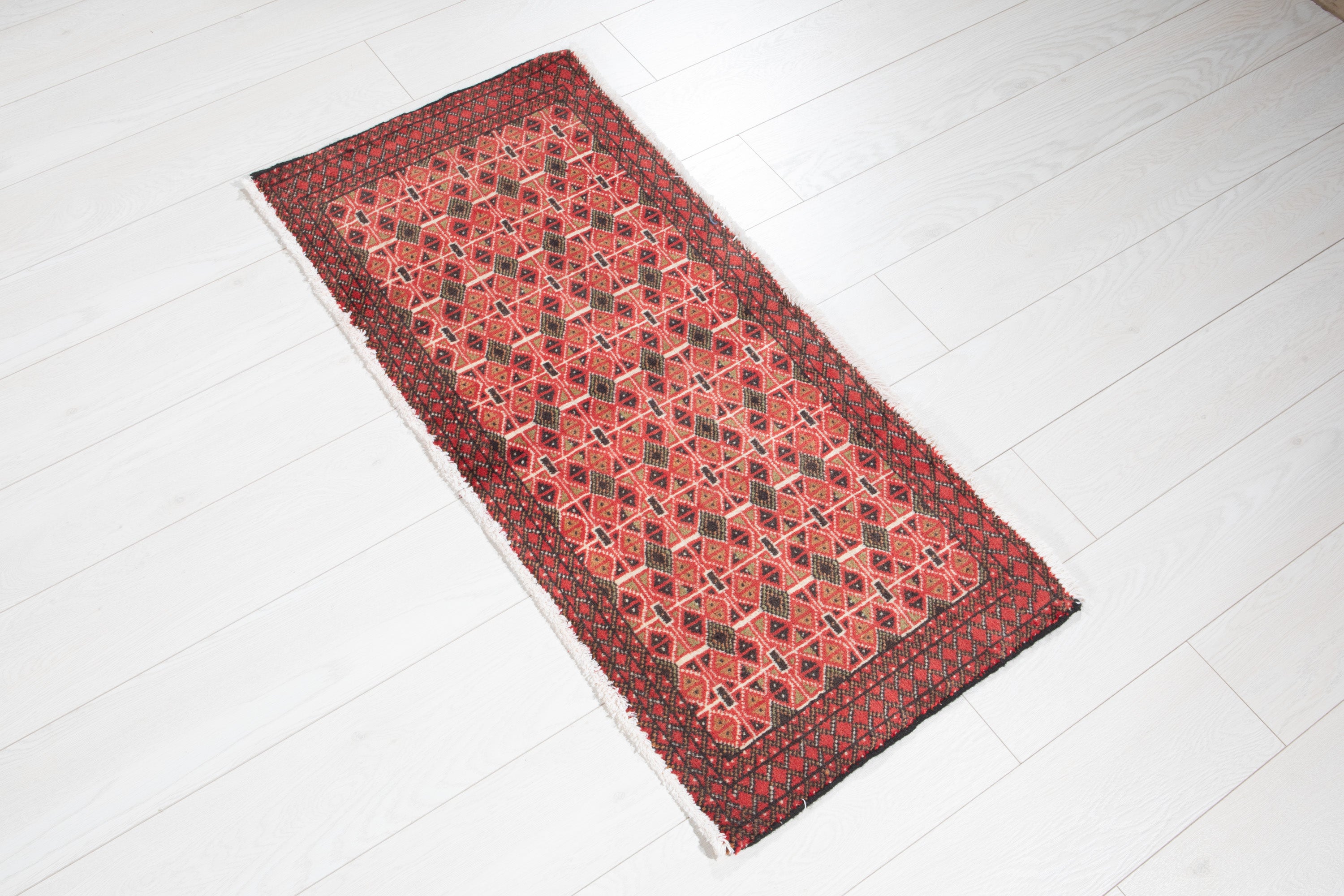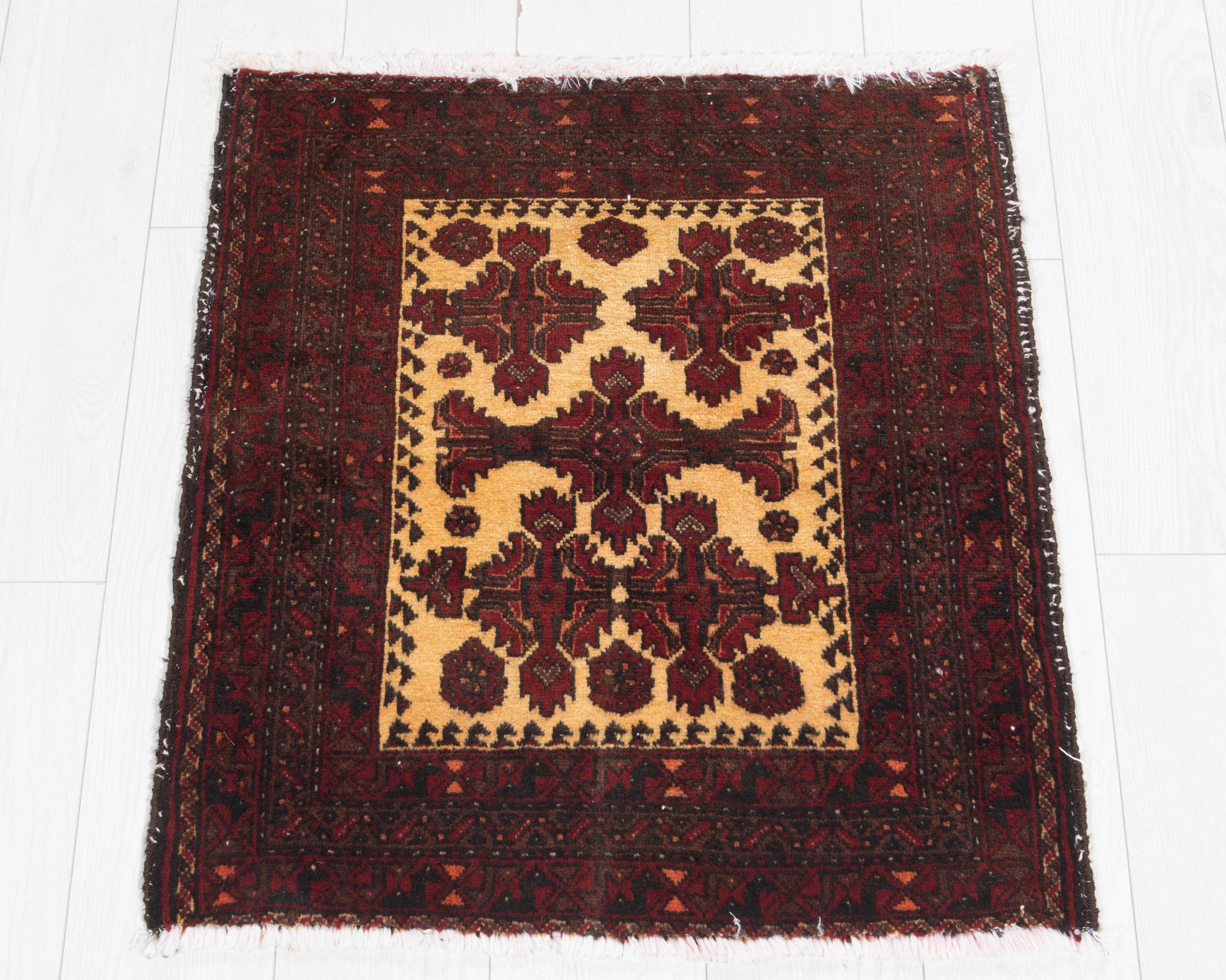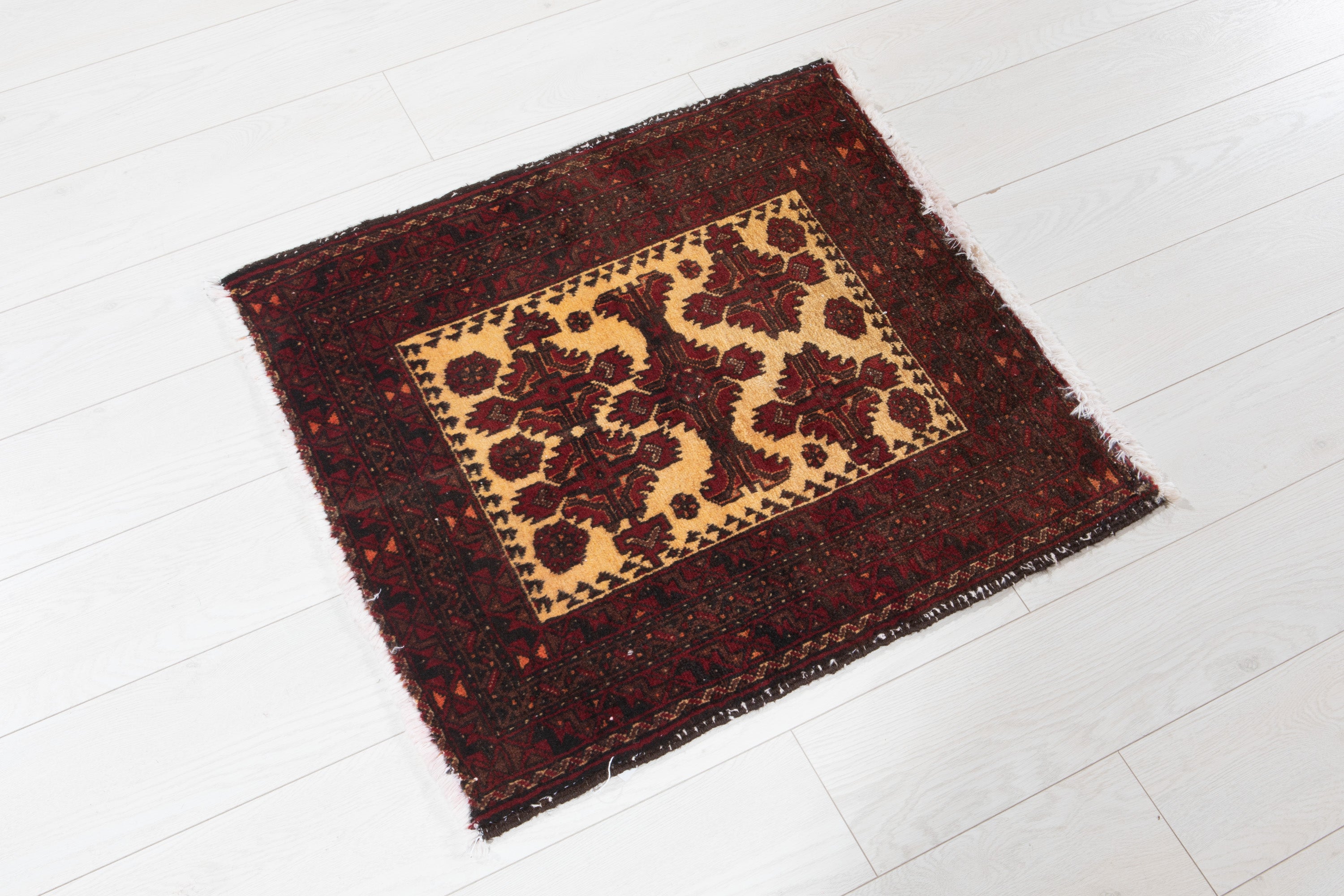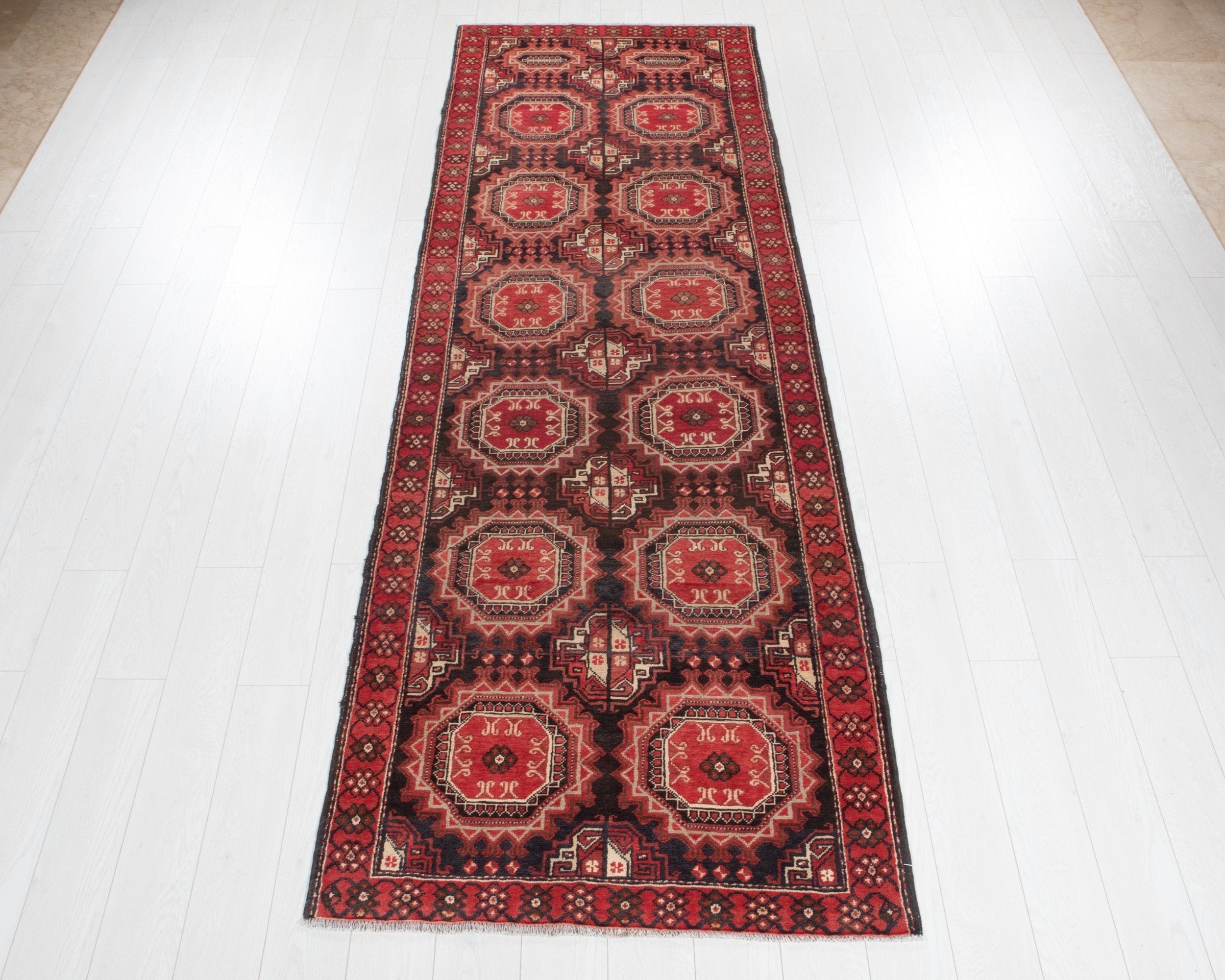
Persian Baluch Rugs – Fine Hand-Knotted Tribal Rugs
Fine hand-knotted Baluch rugs, woven by nomadic tribes with tight knot density, rich saturated wool, and intricate tribal motifs.
The Baluch Weaving Tradition
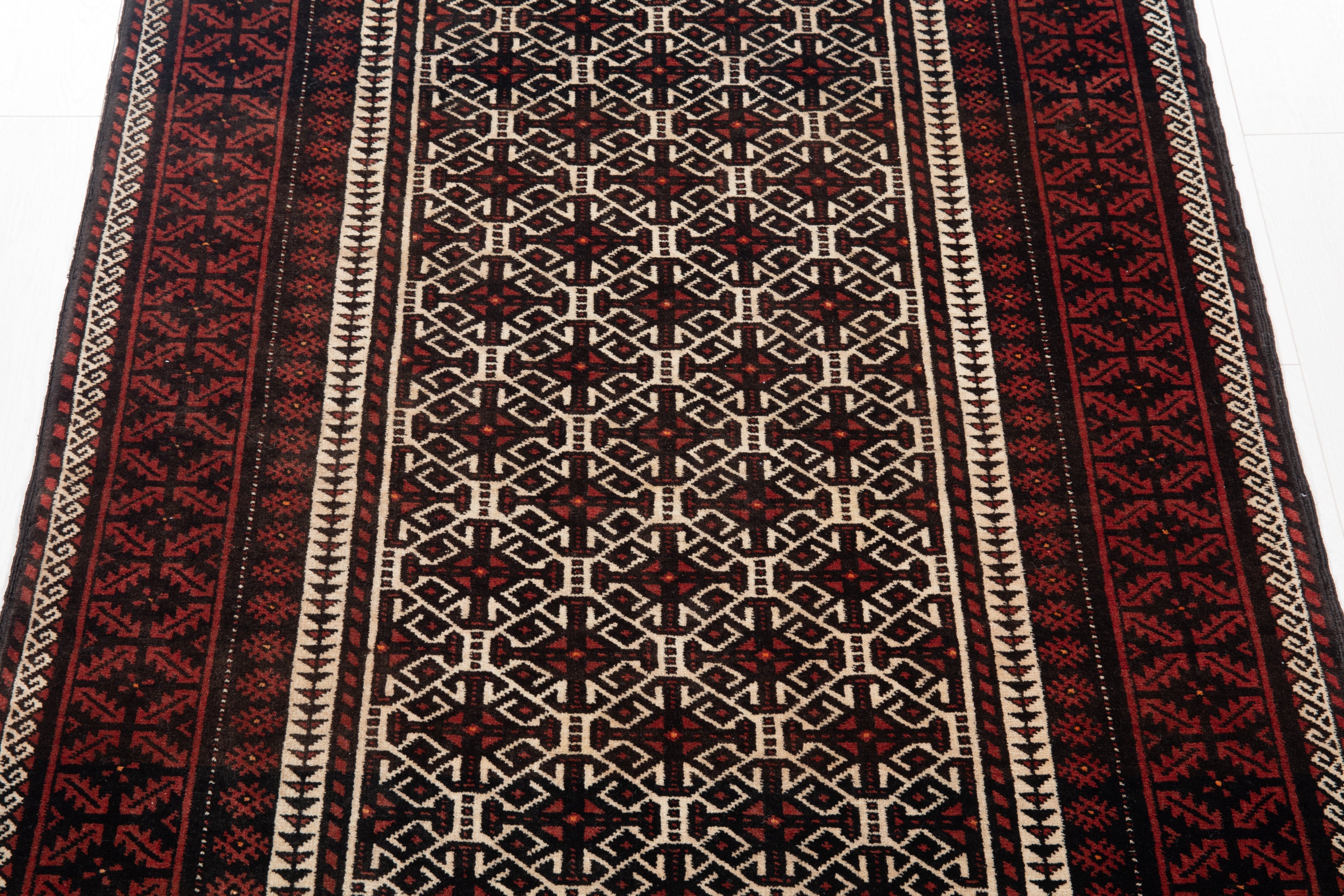
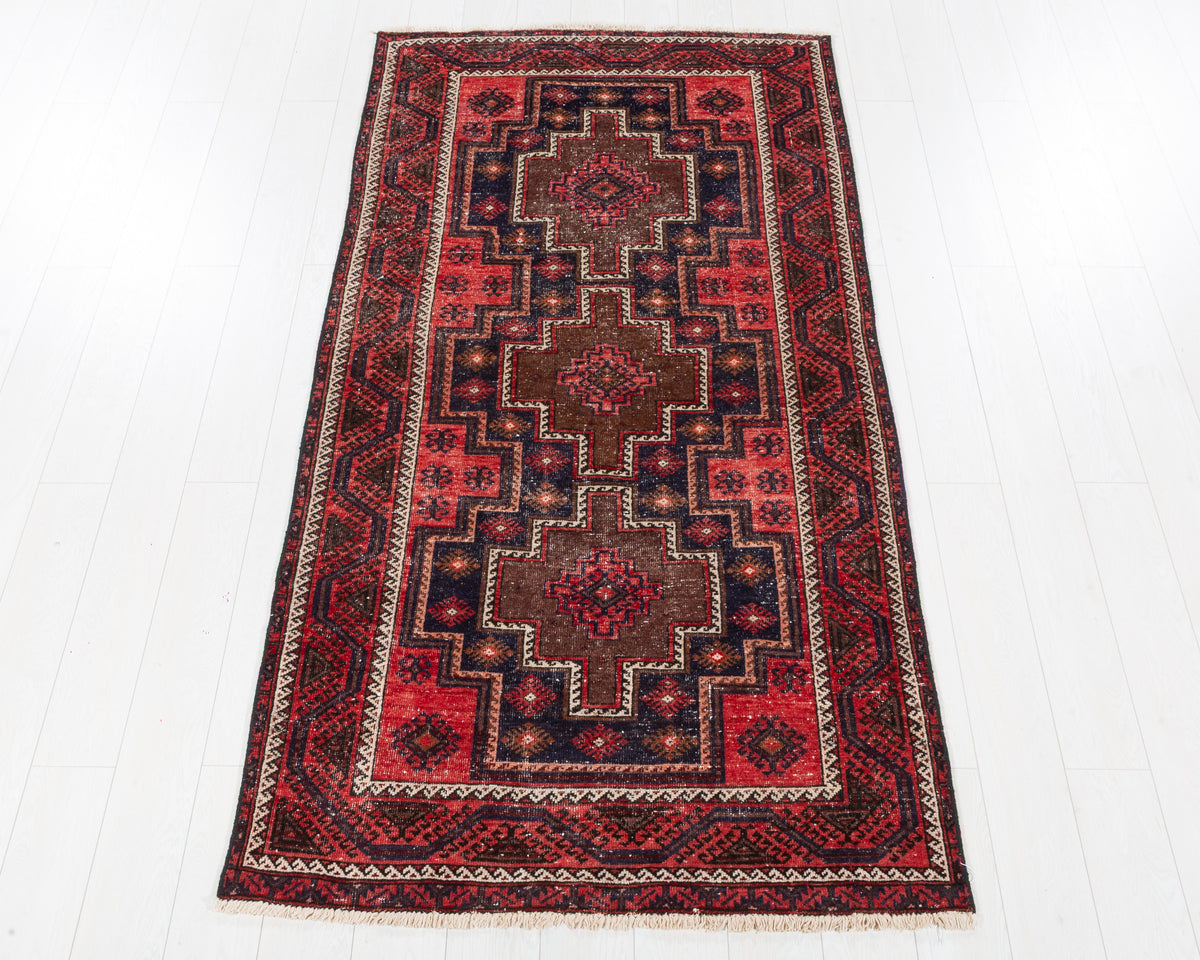
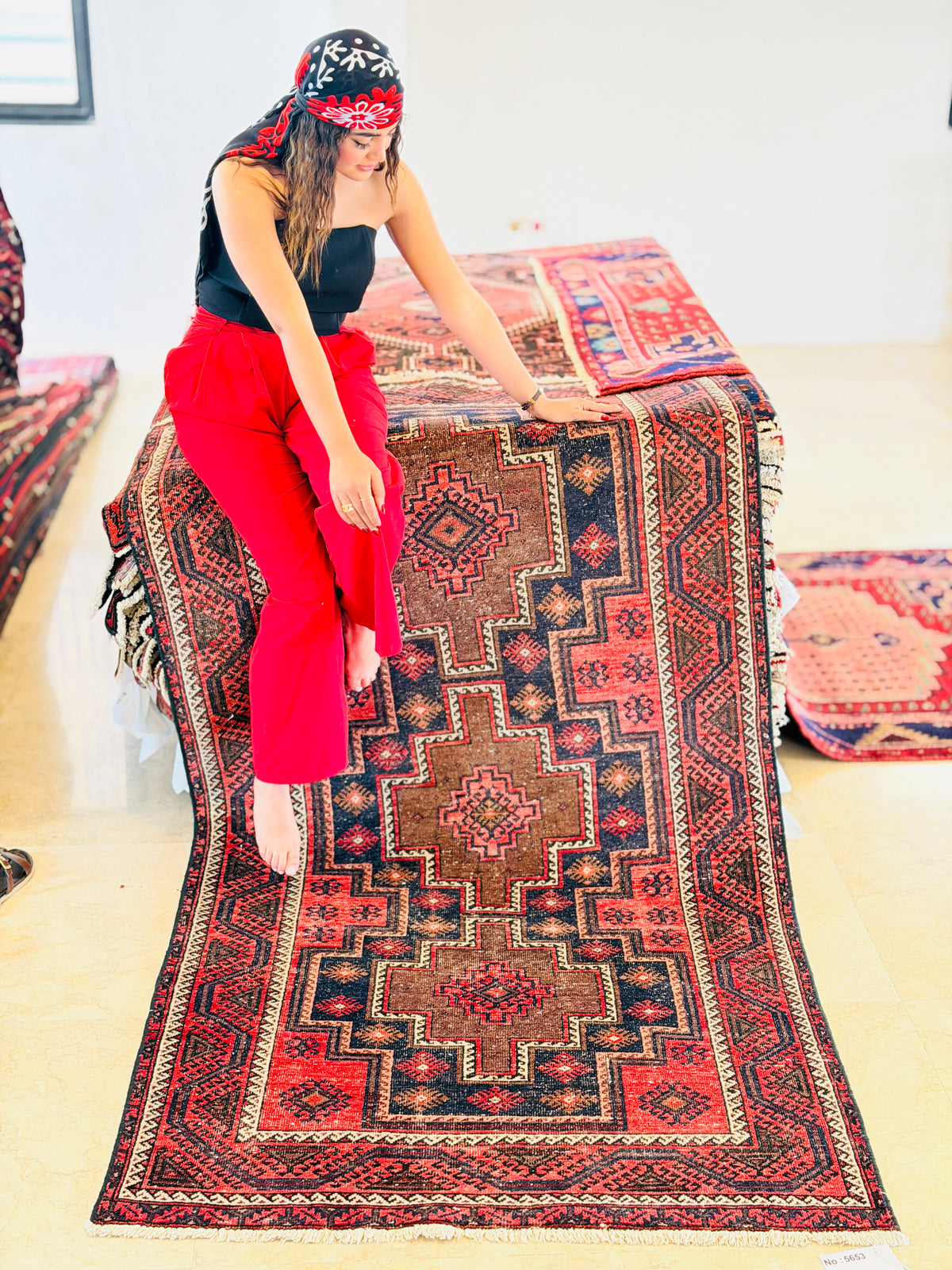
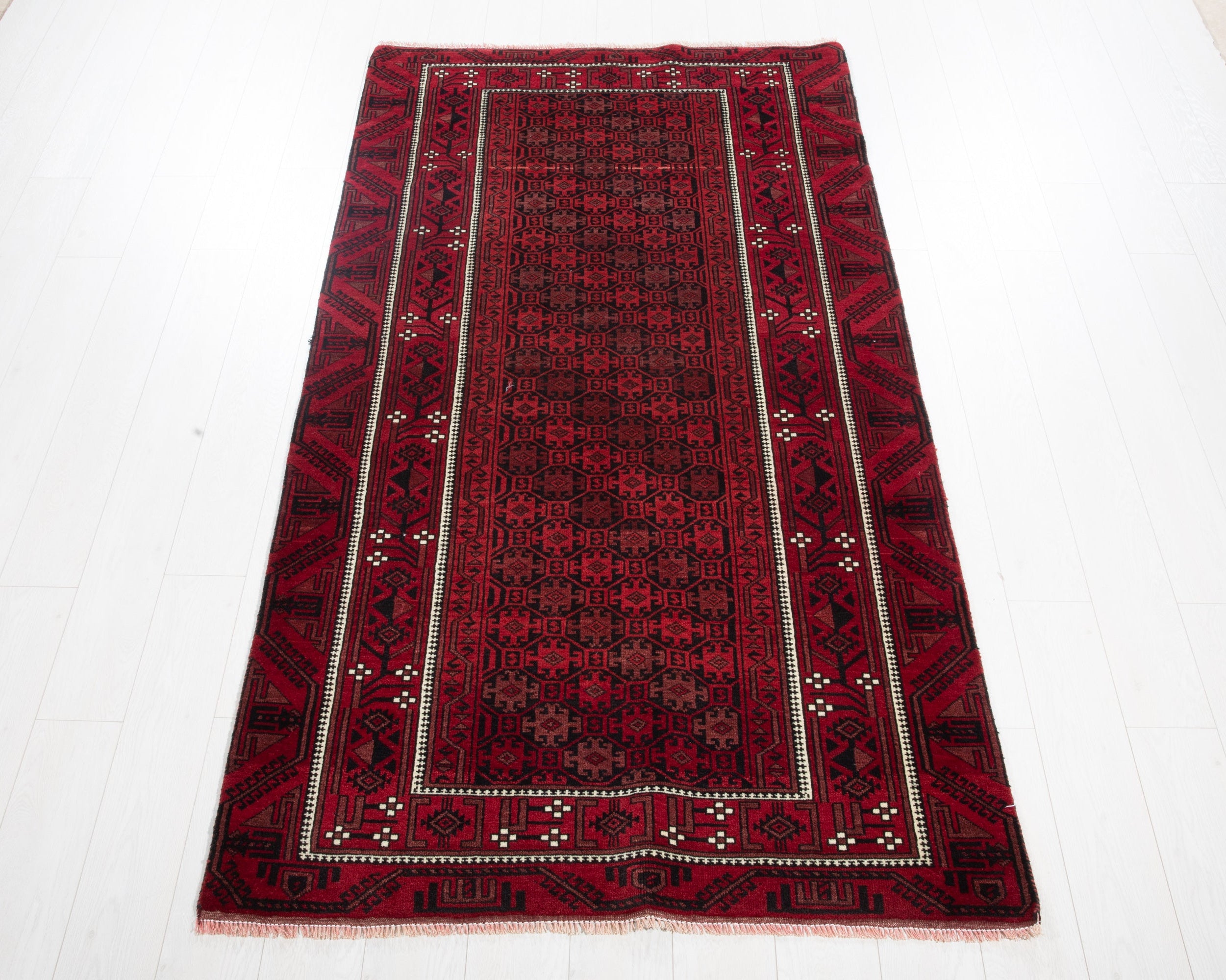
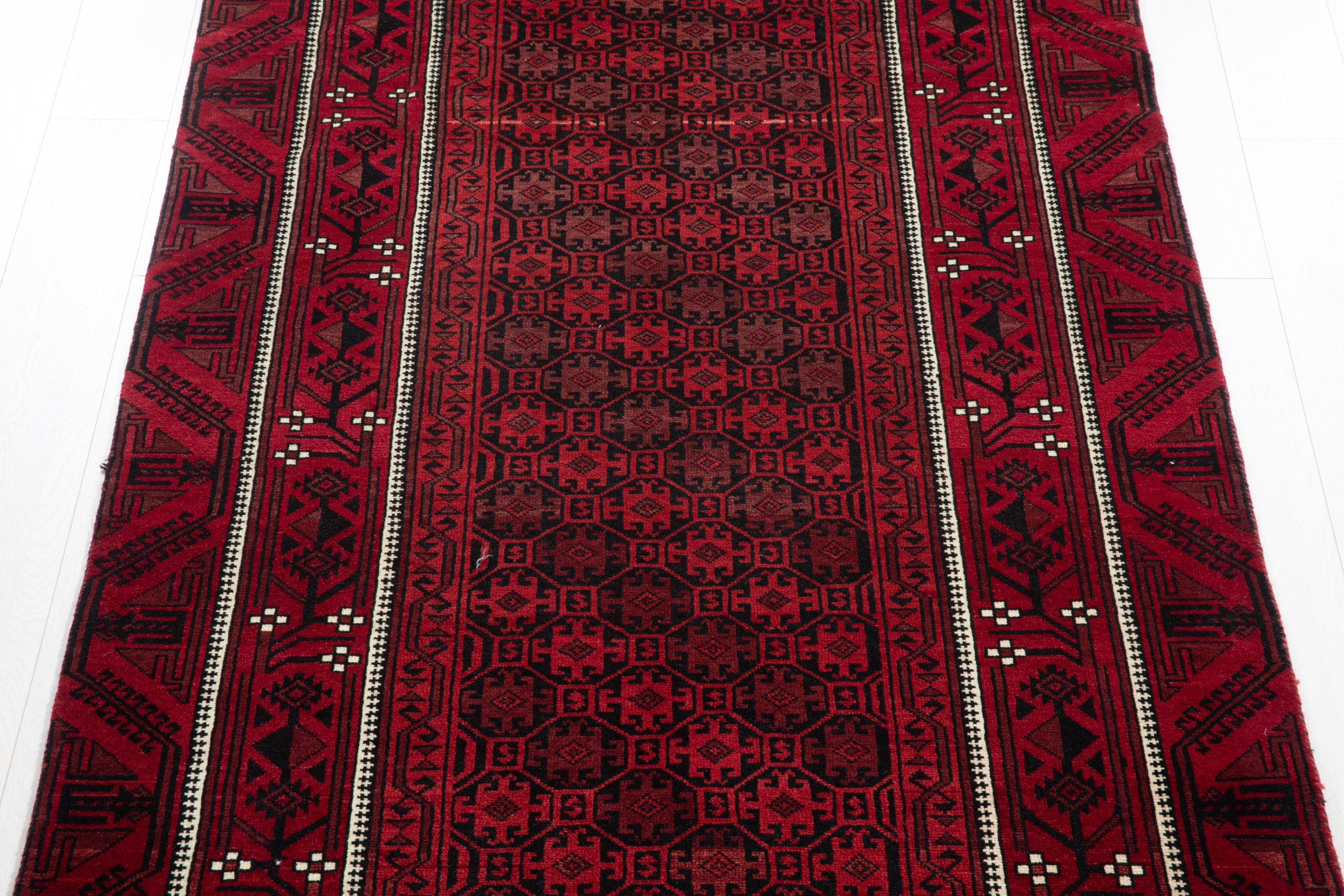
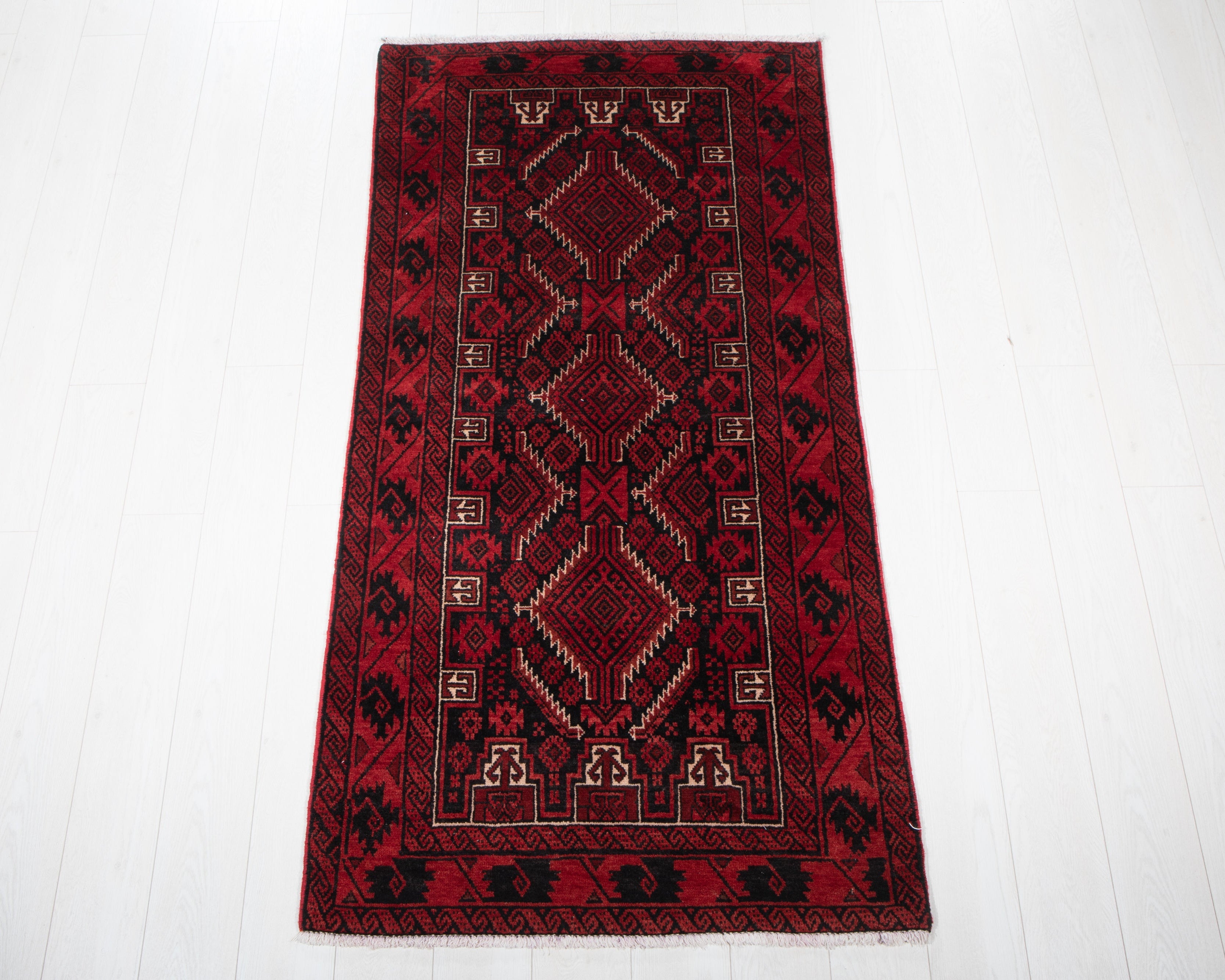
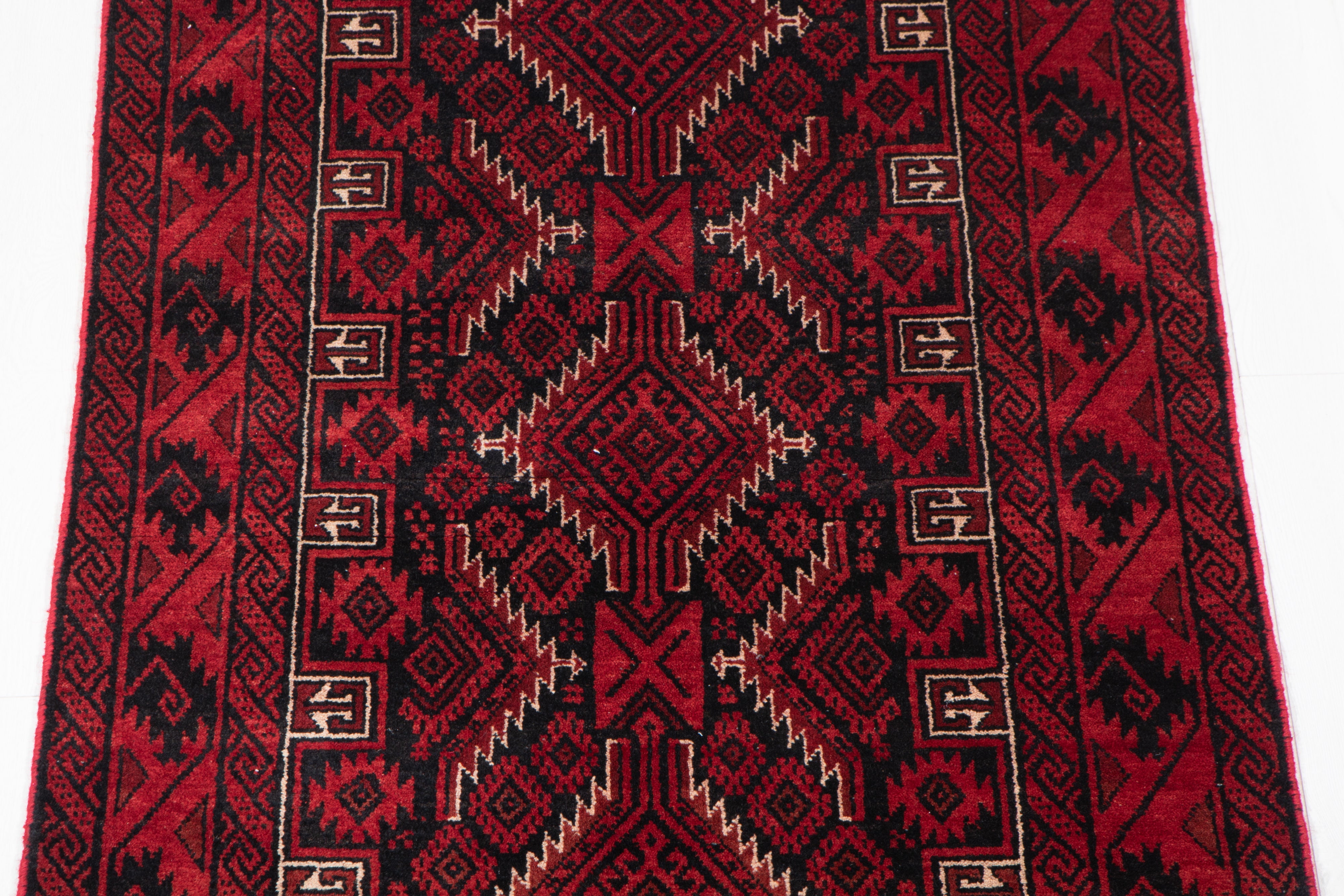
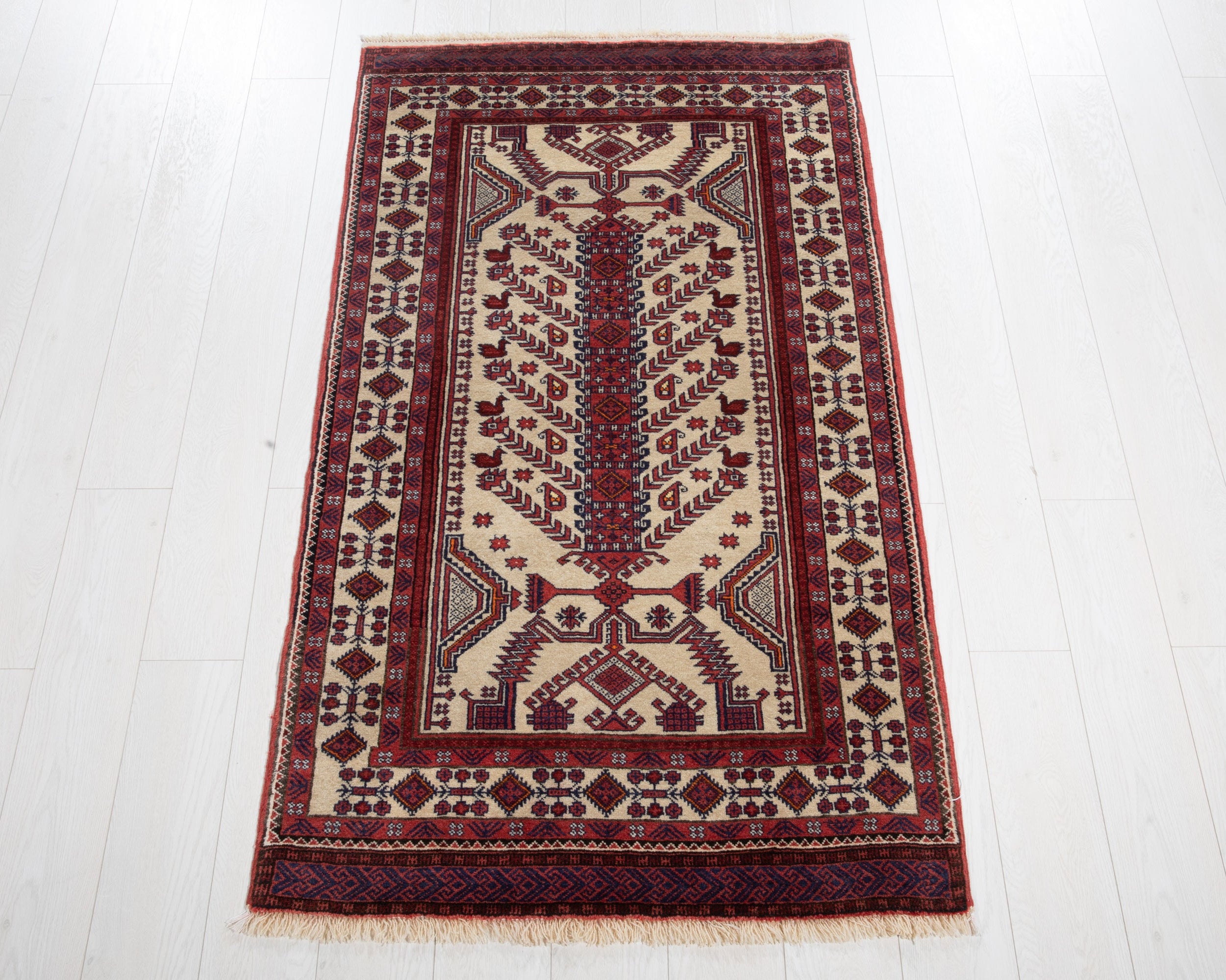
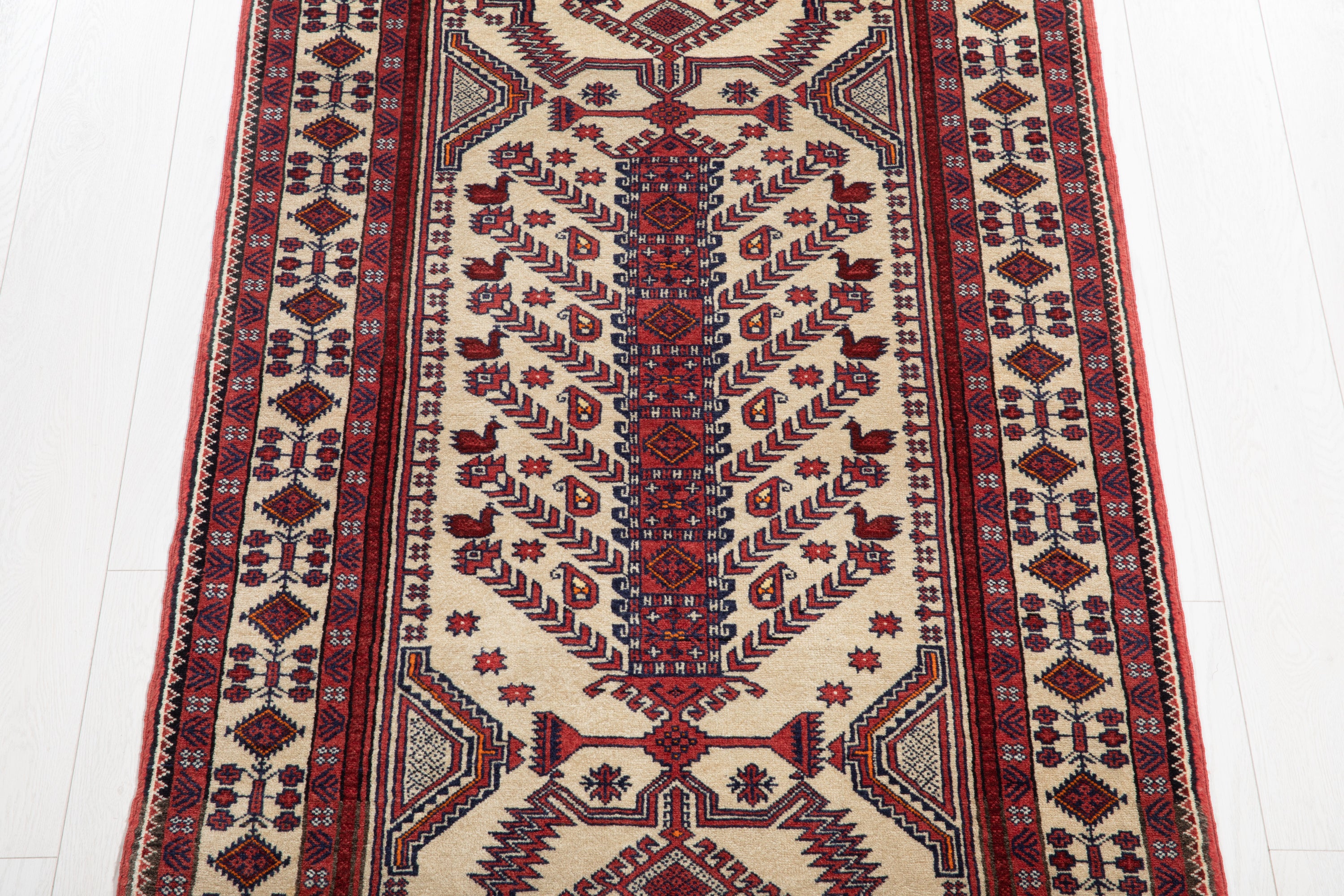
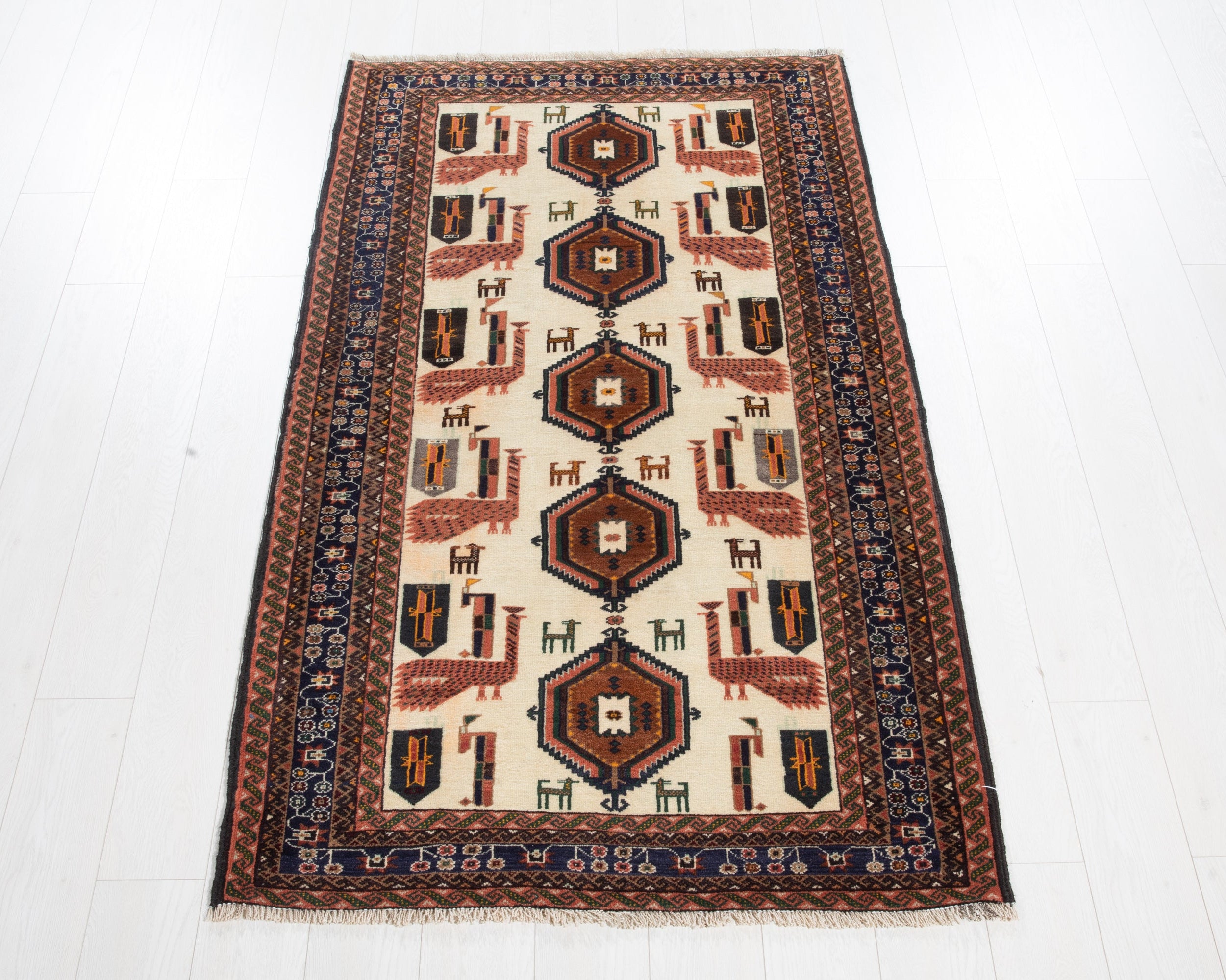
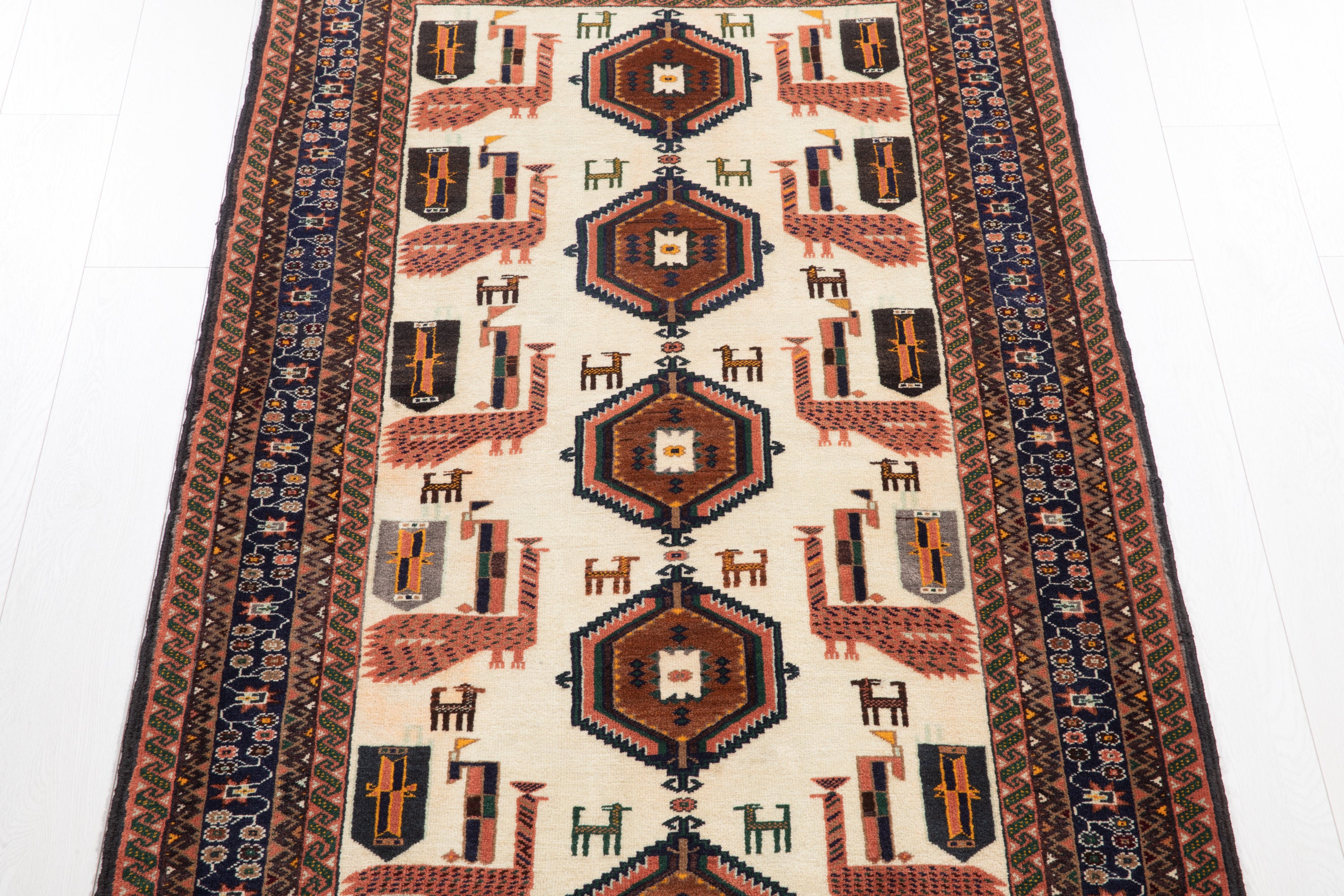
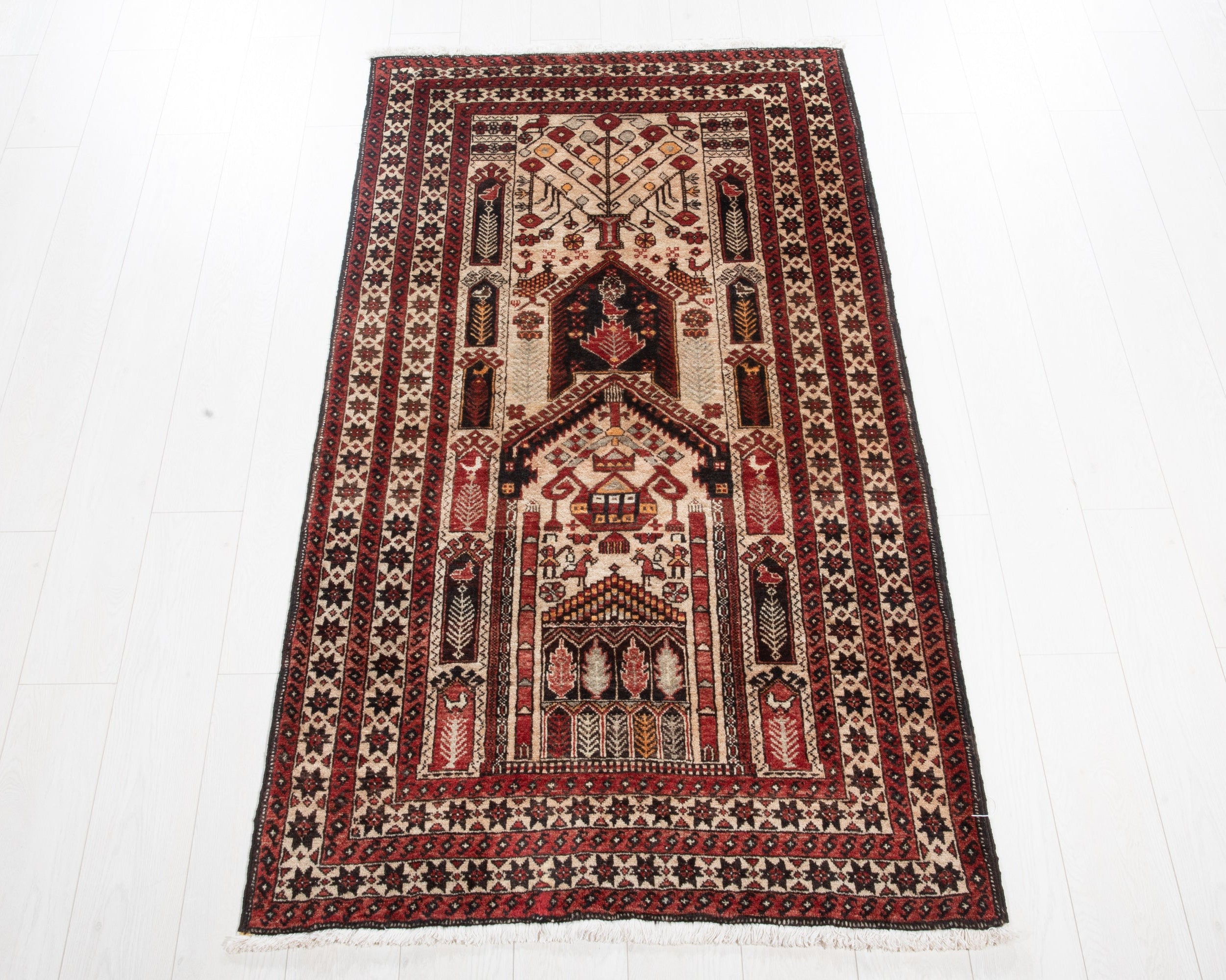
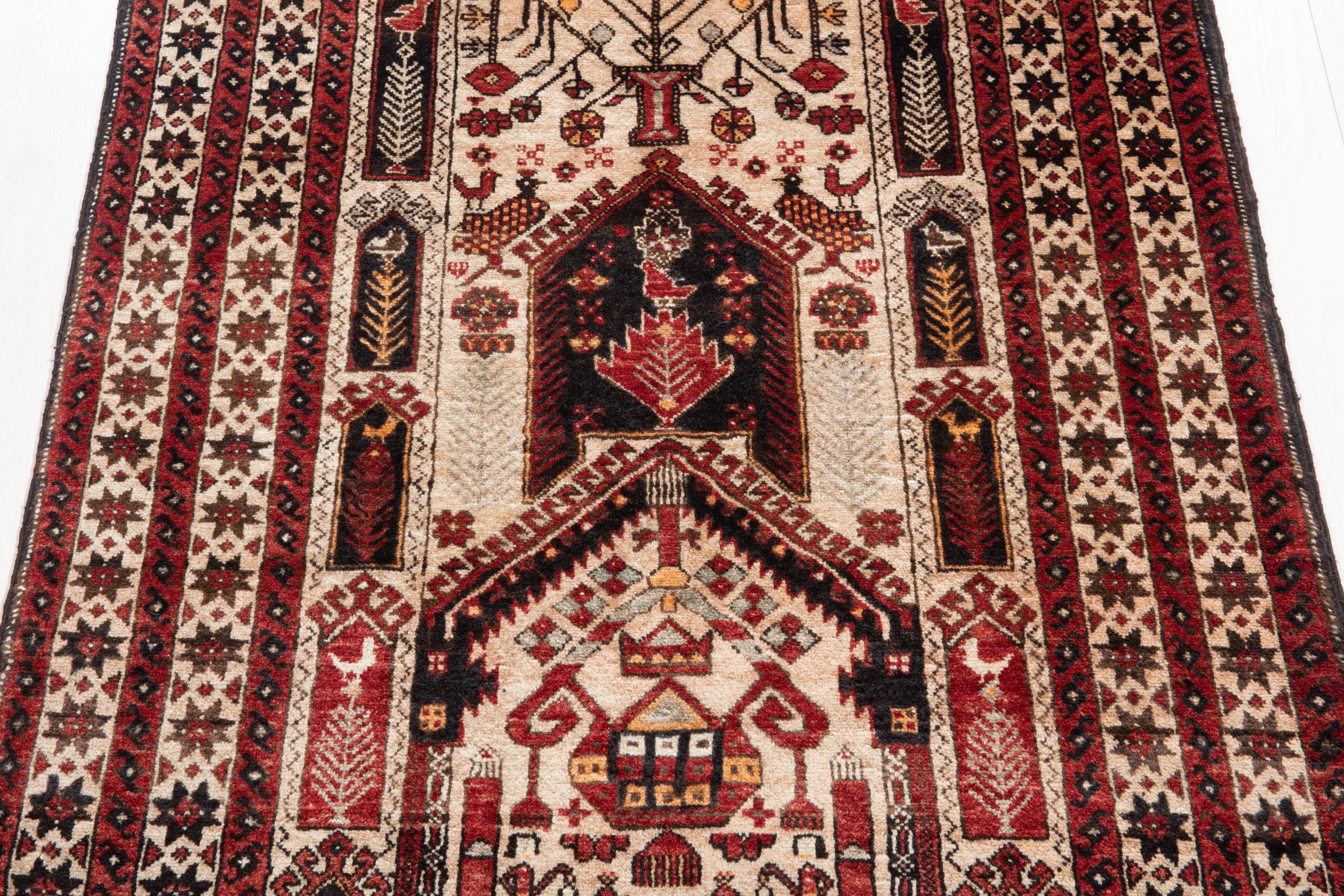
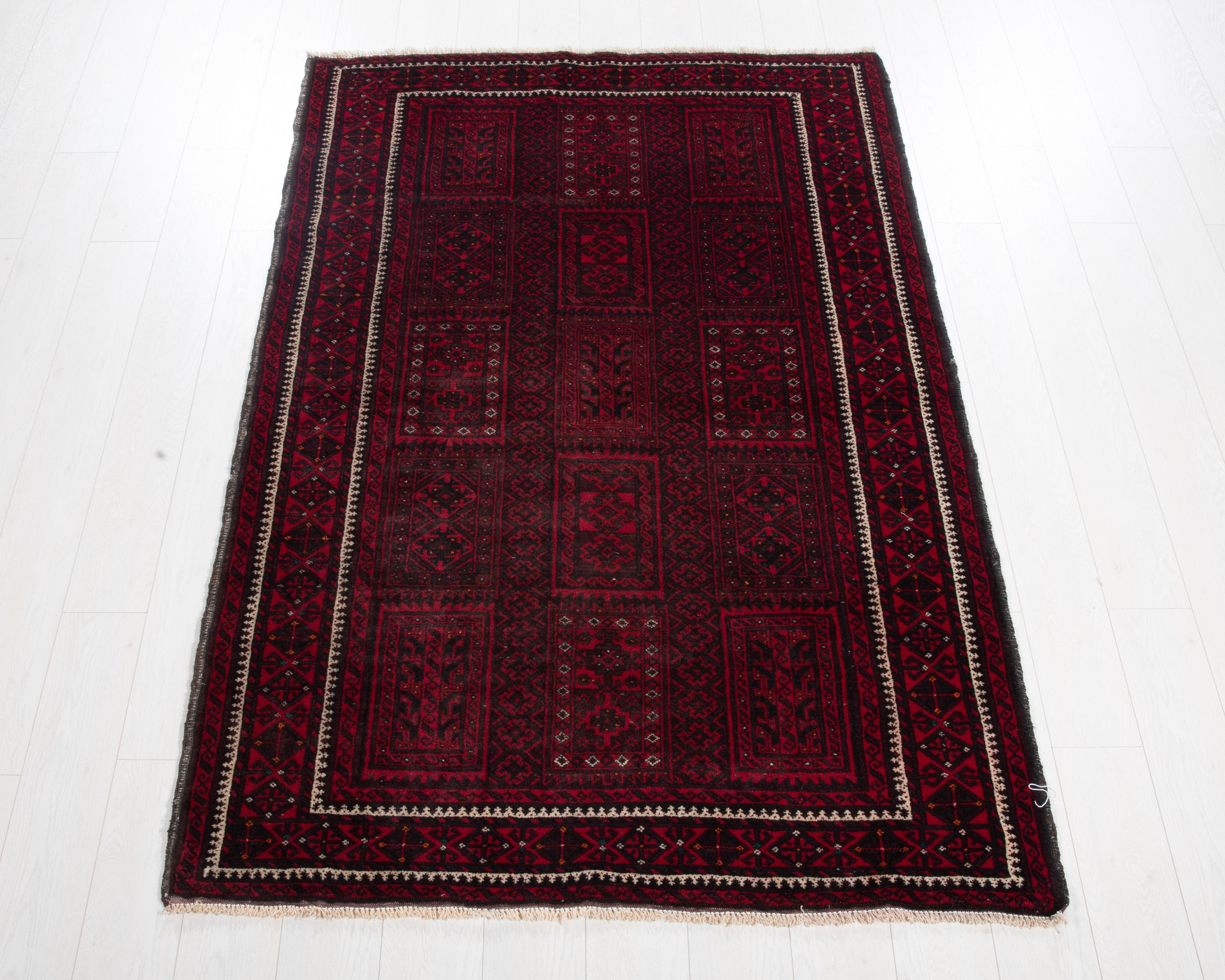
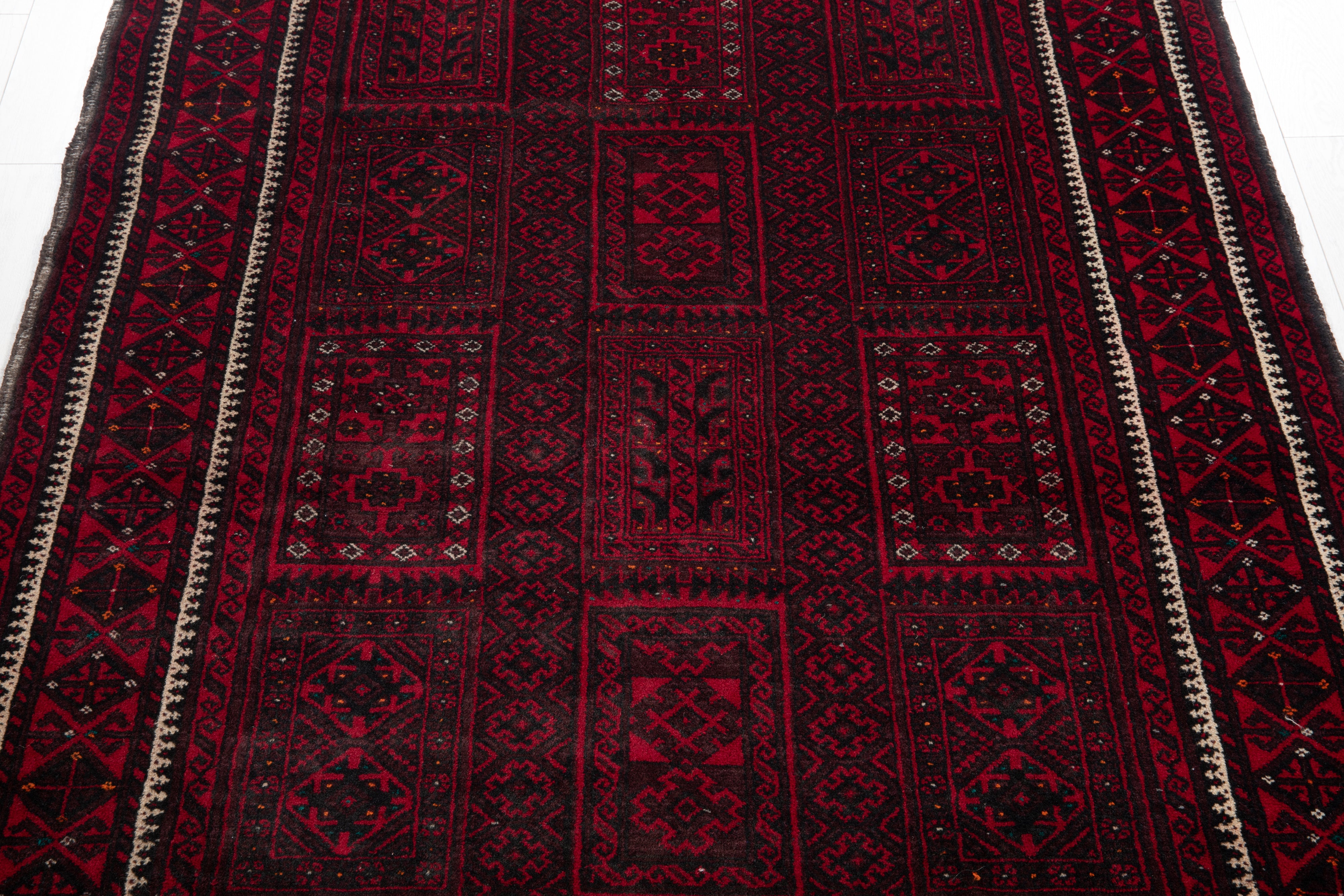
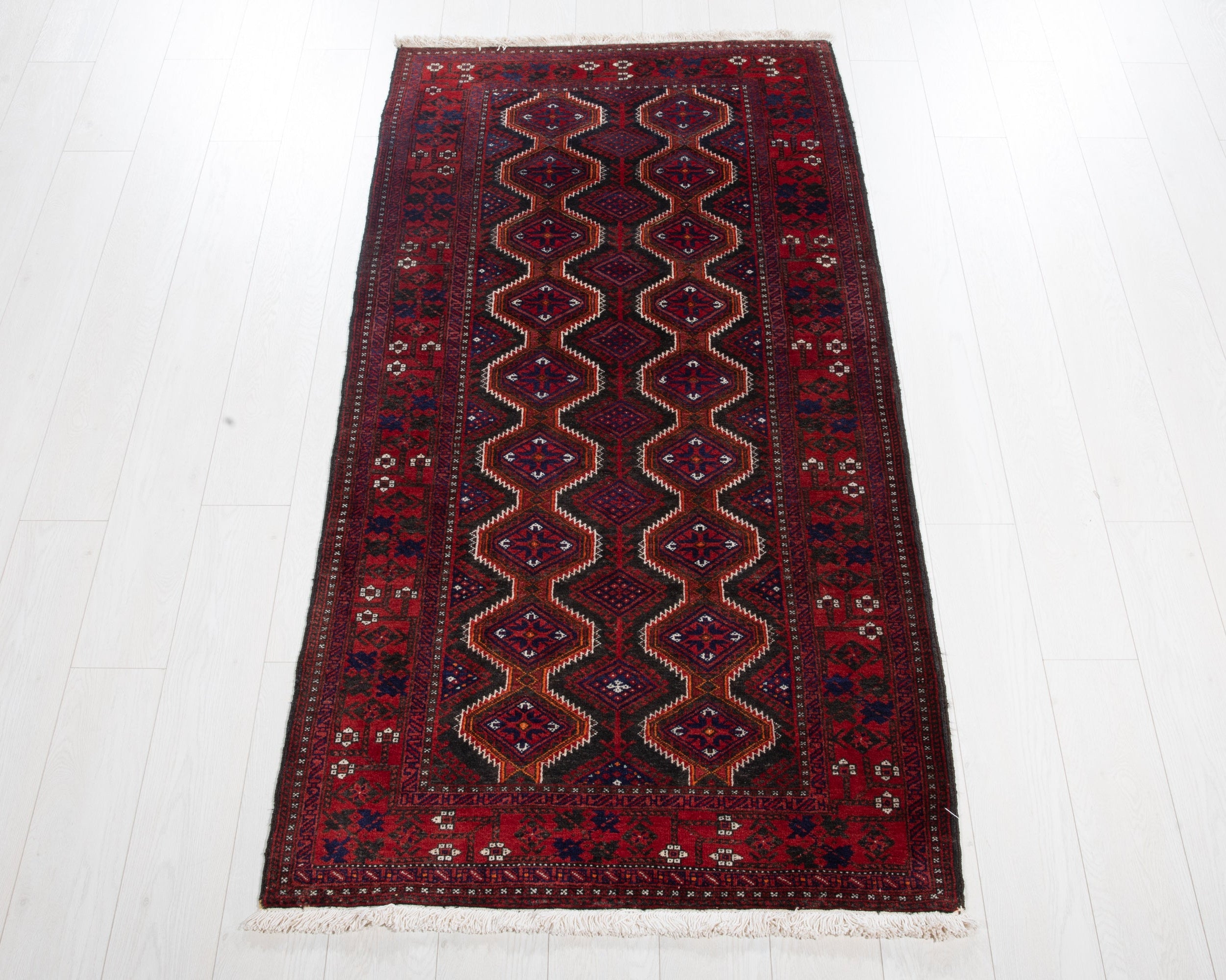
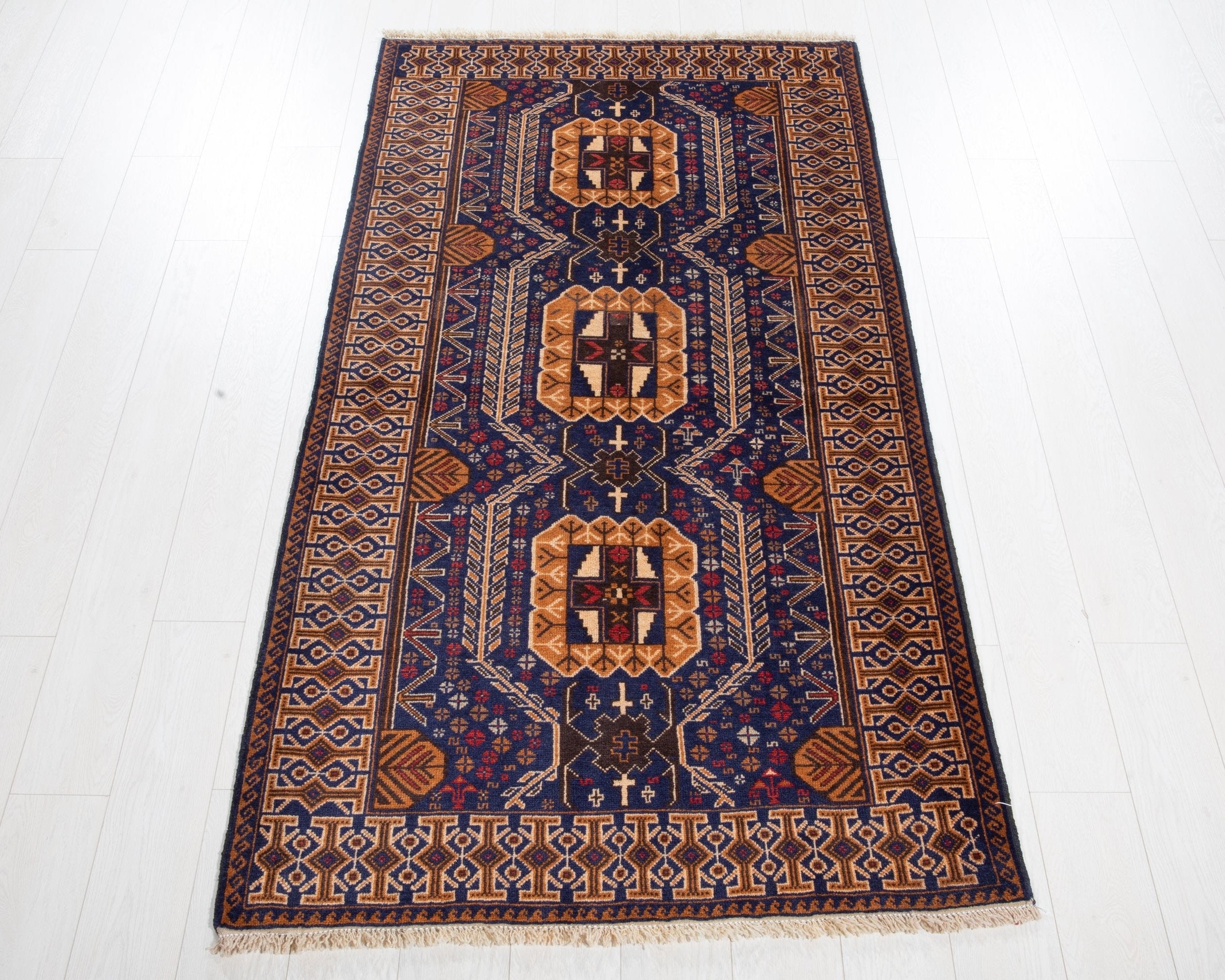
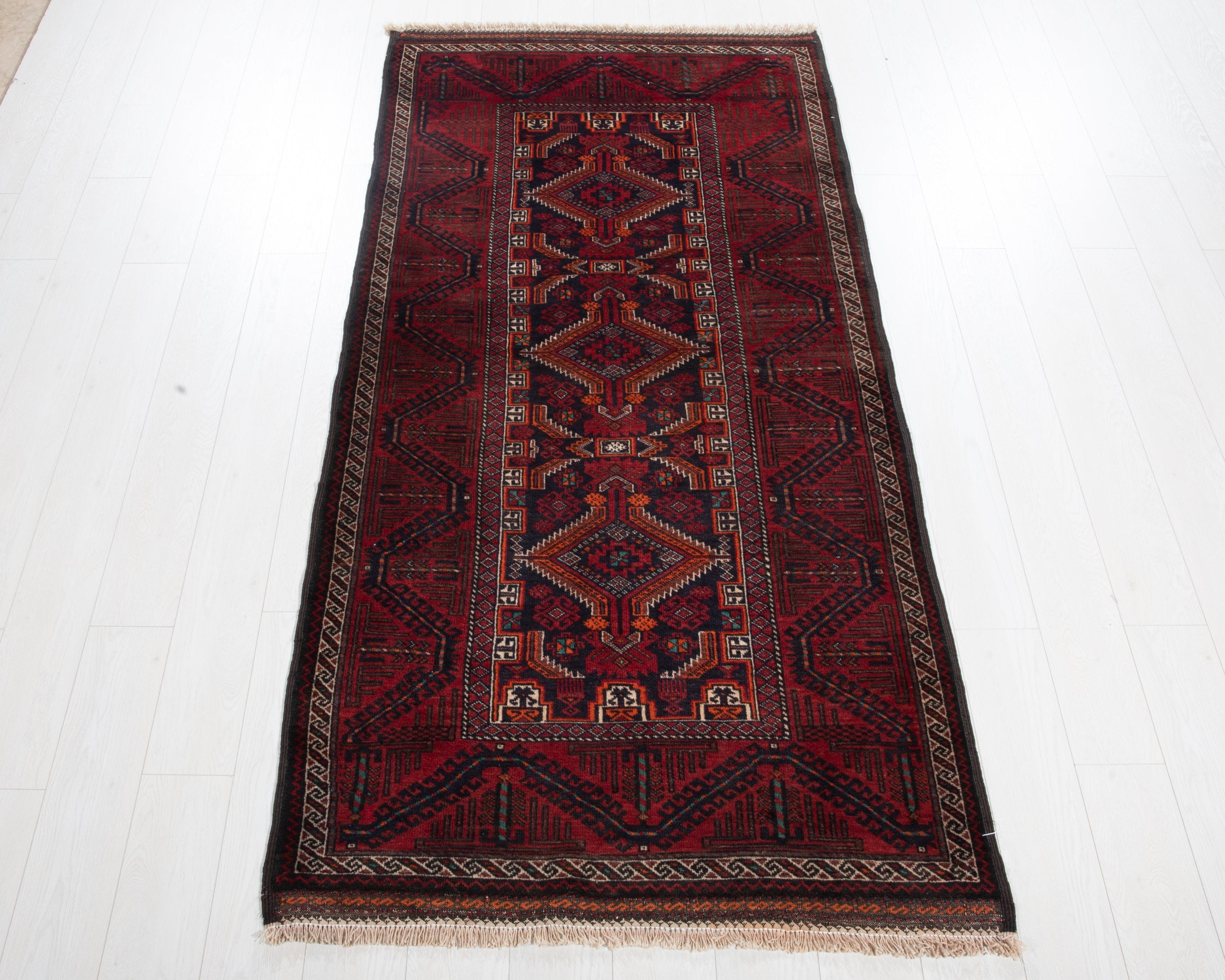
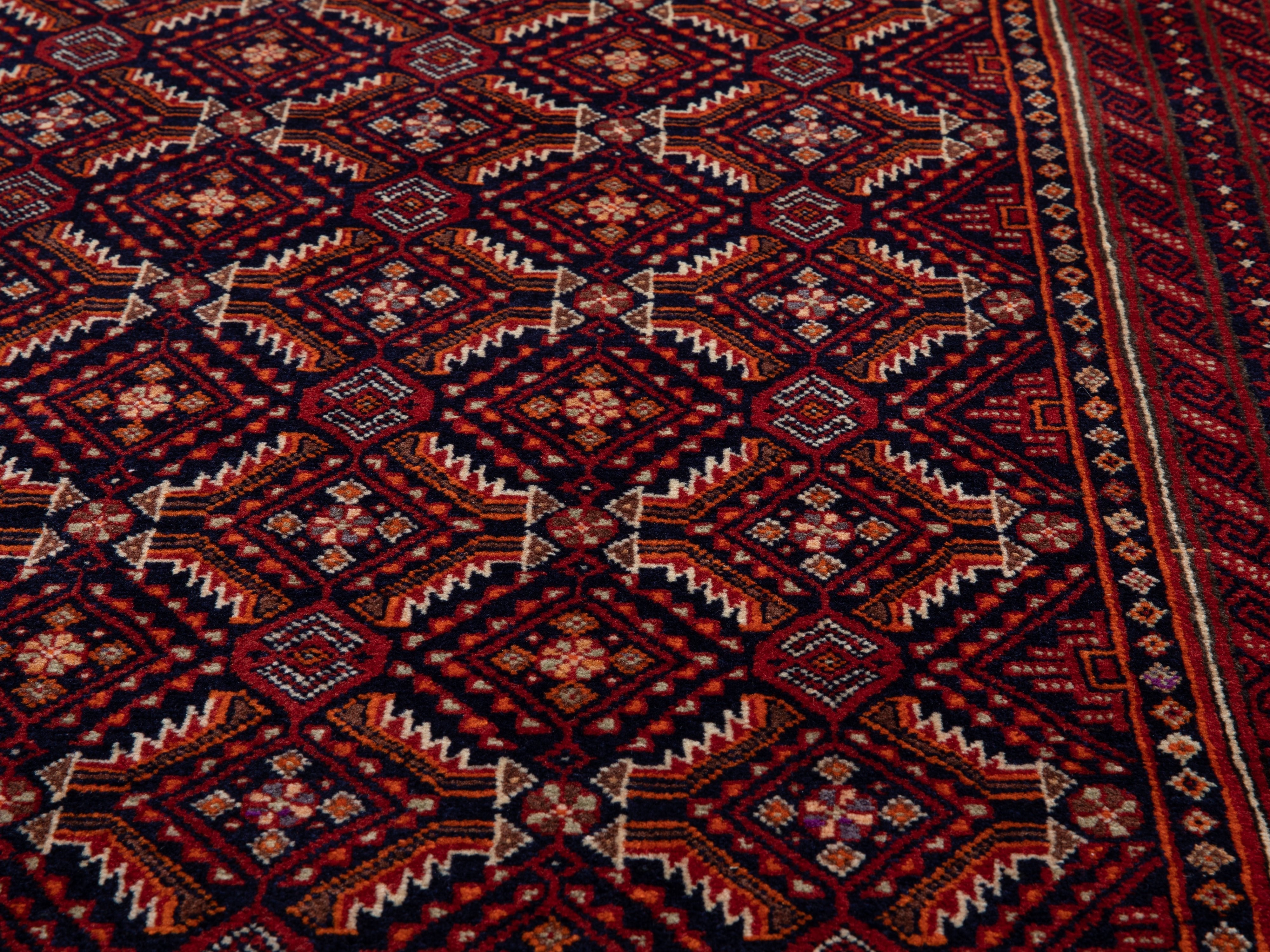
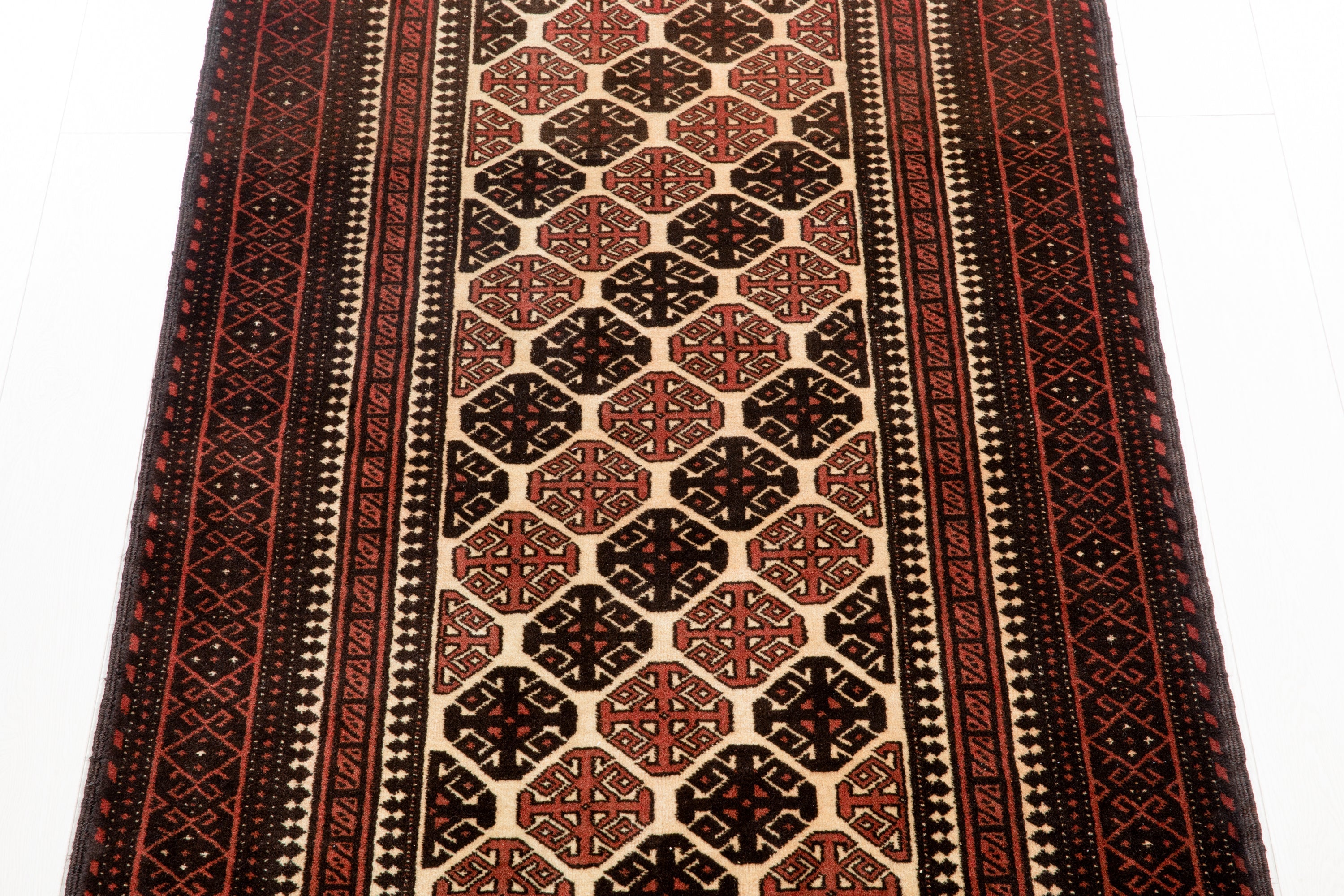
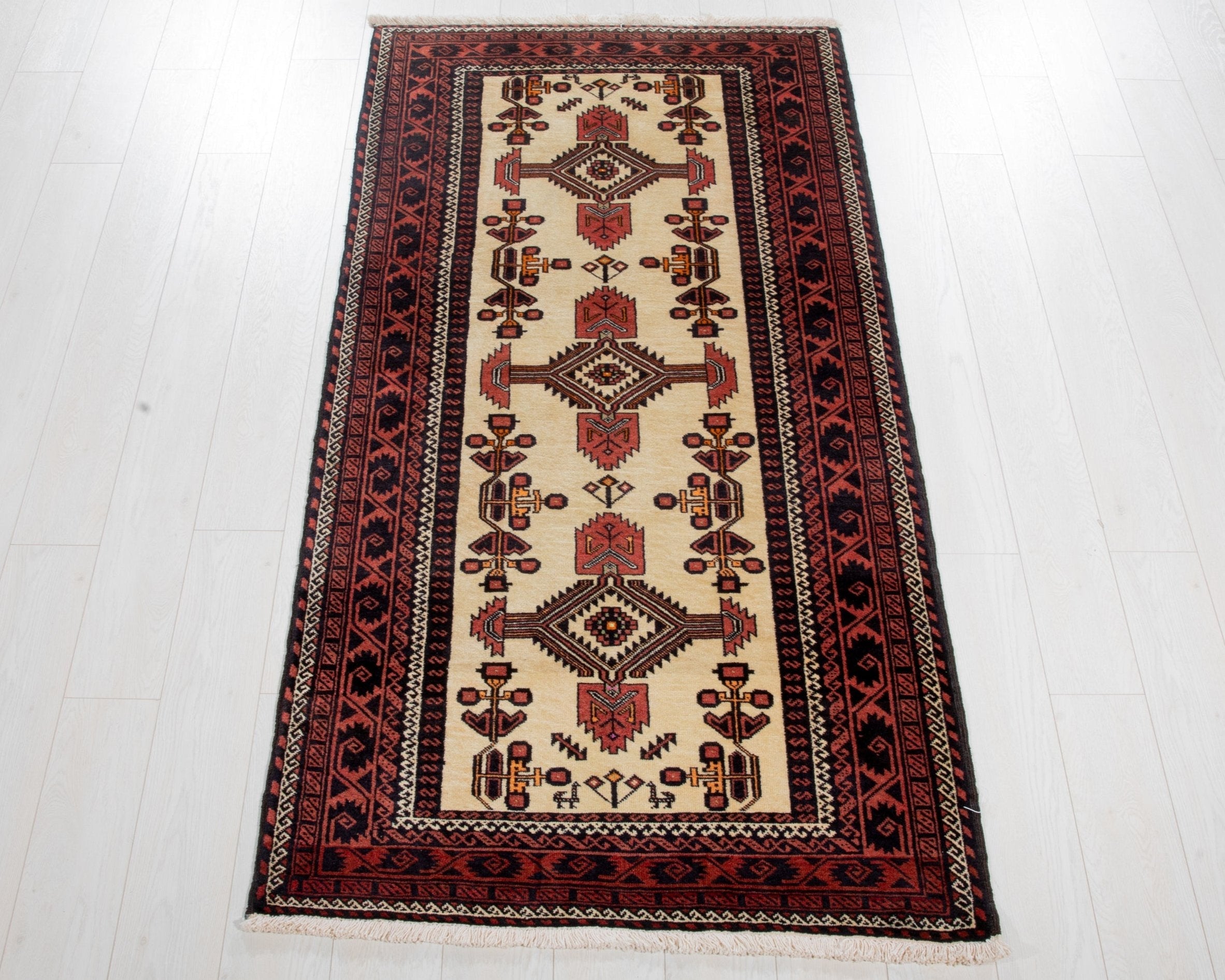
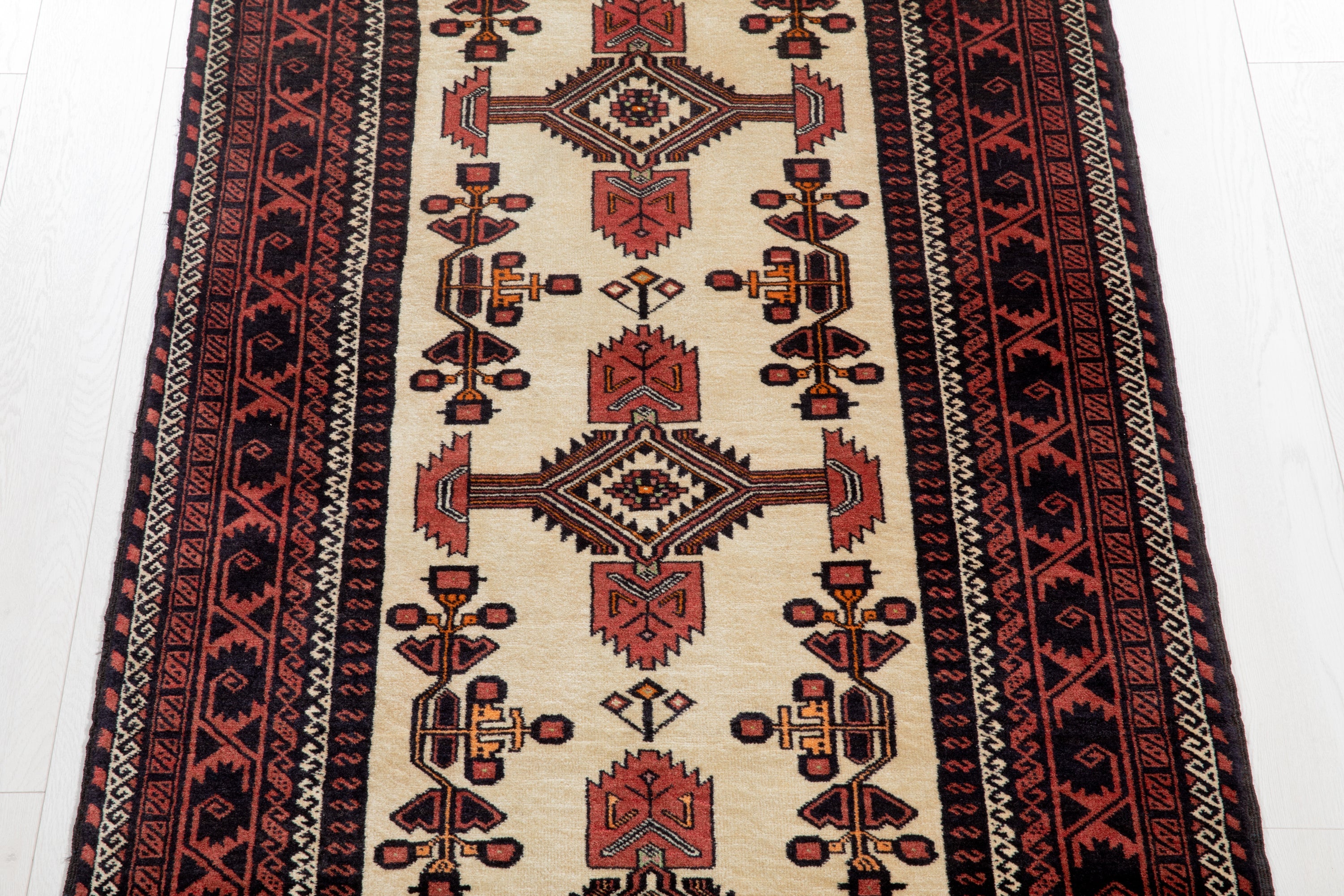
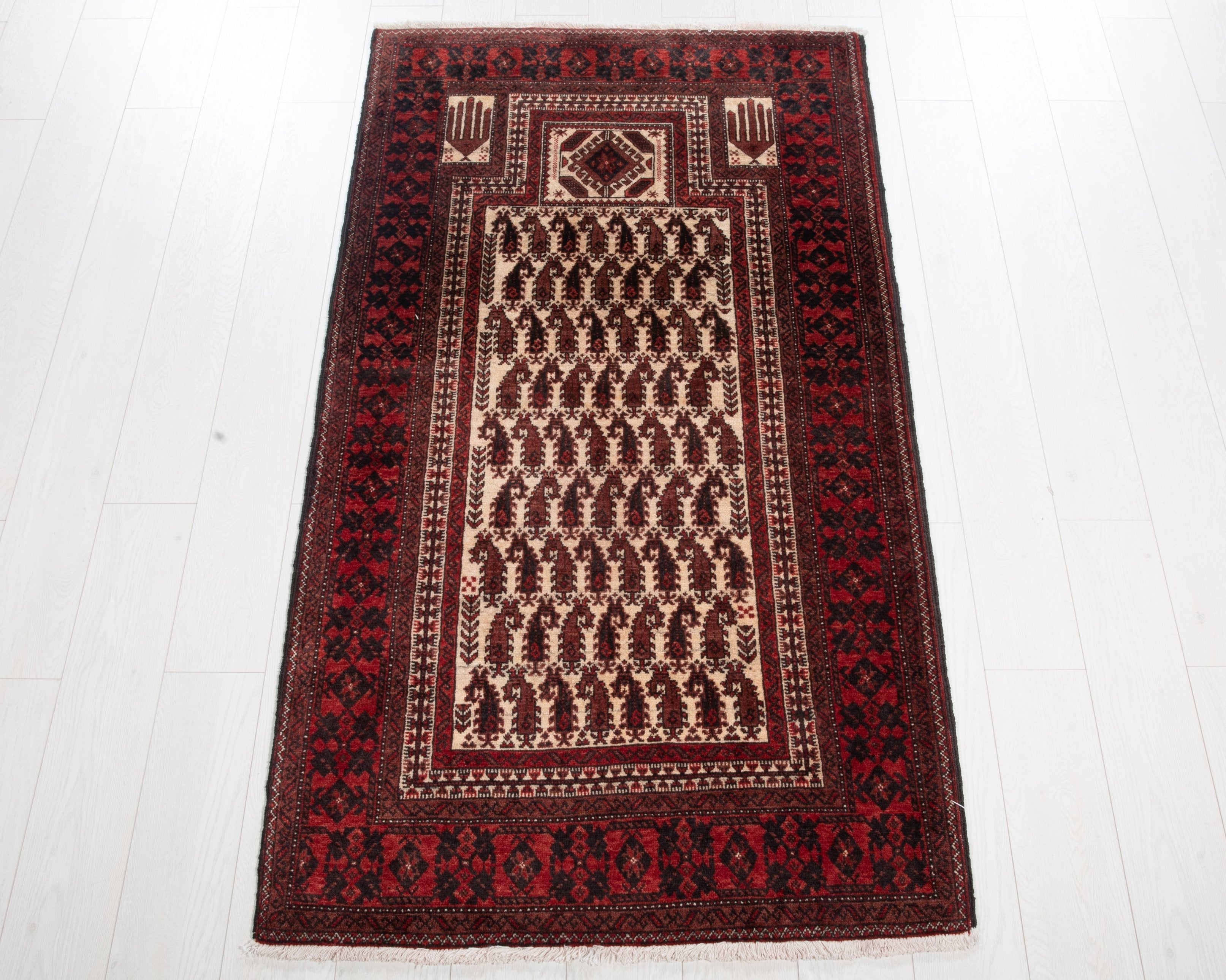
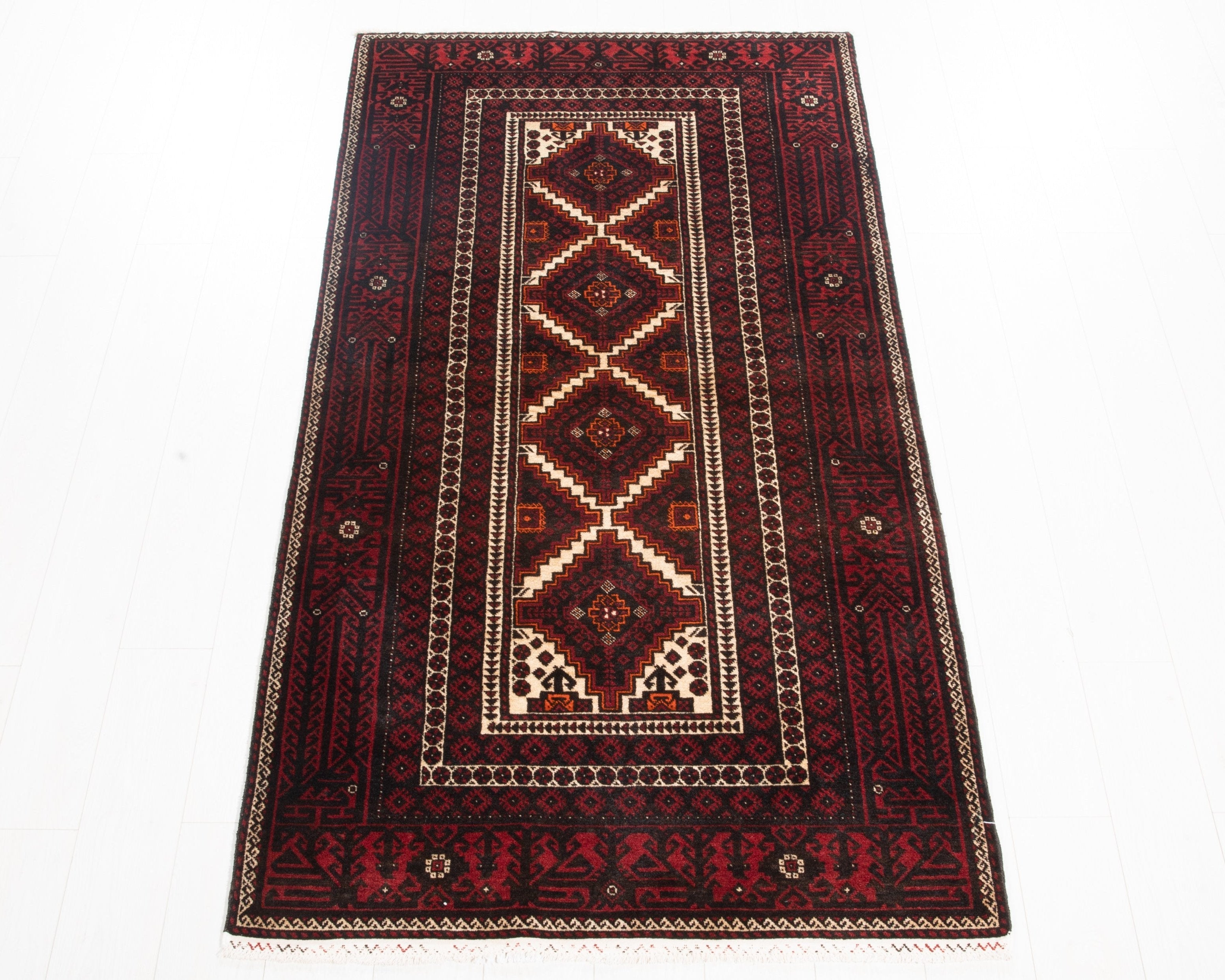
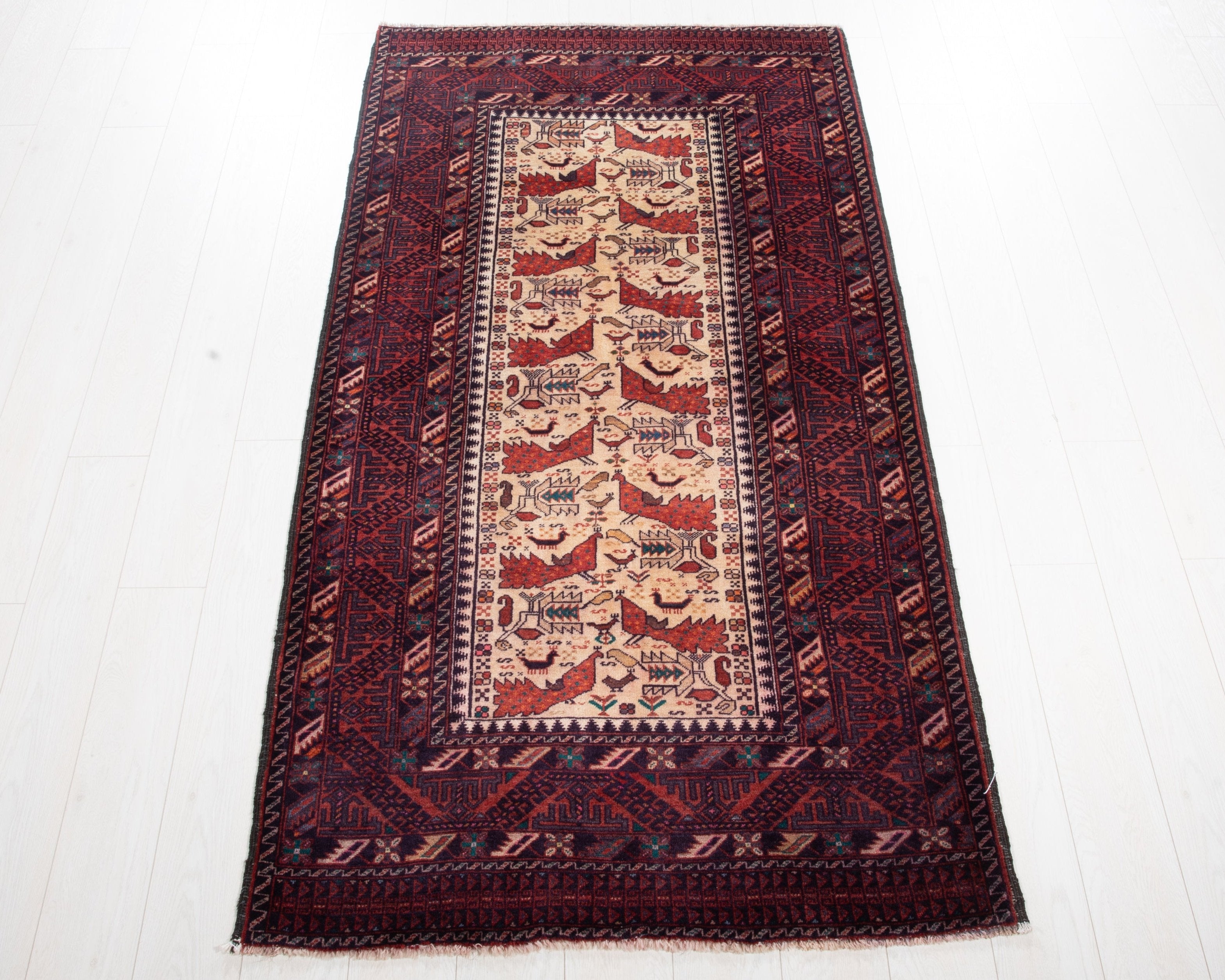
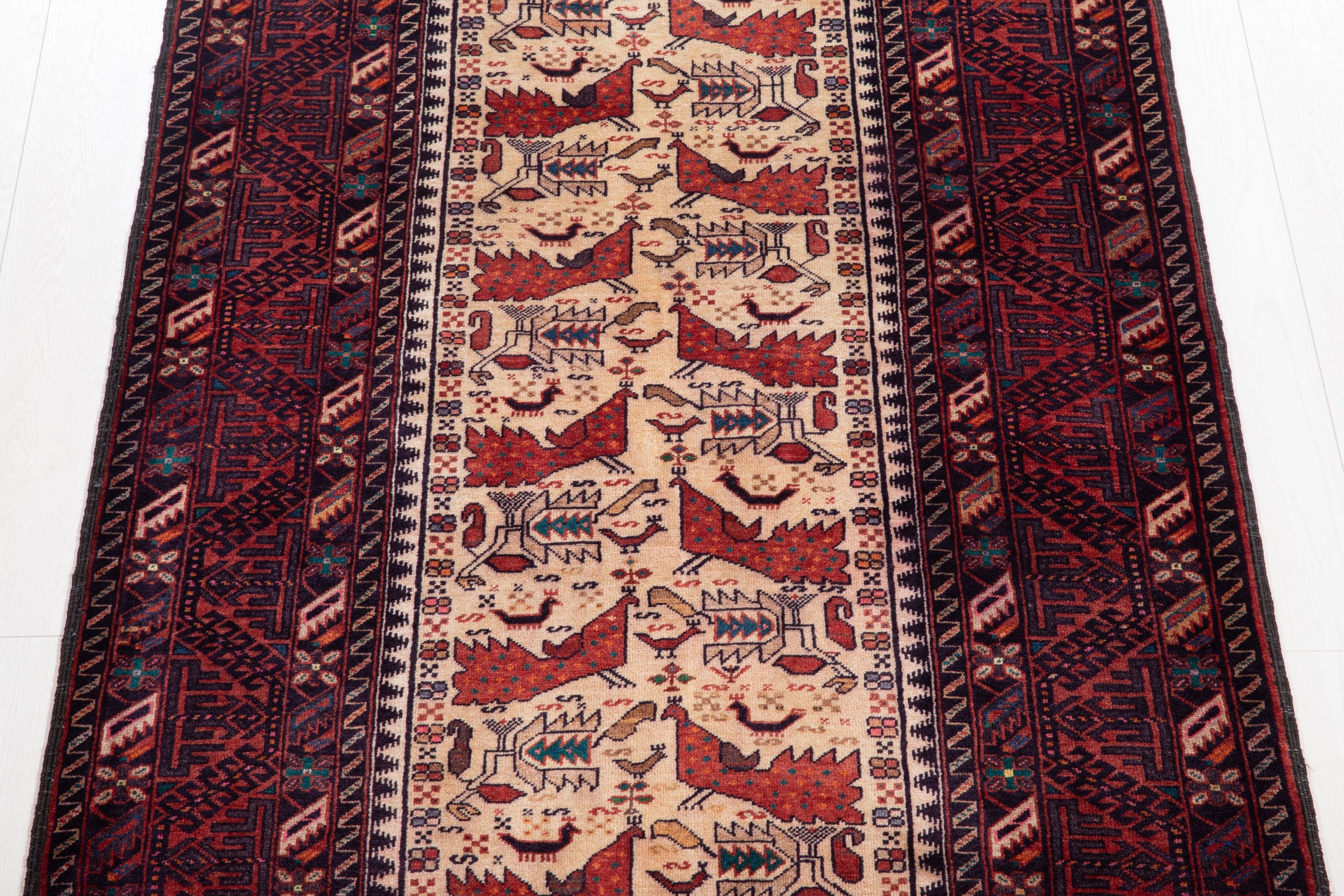
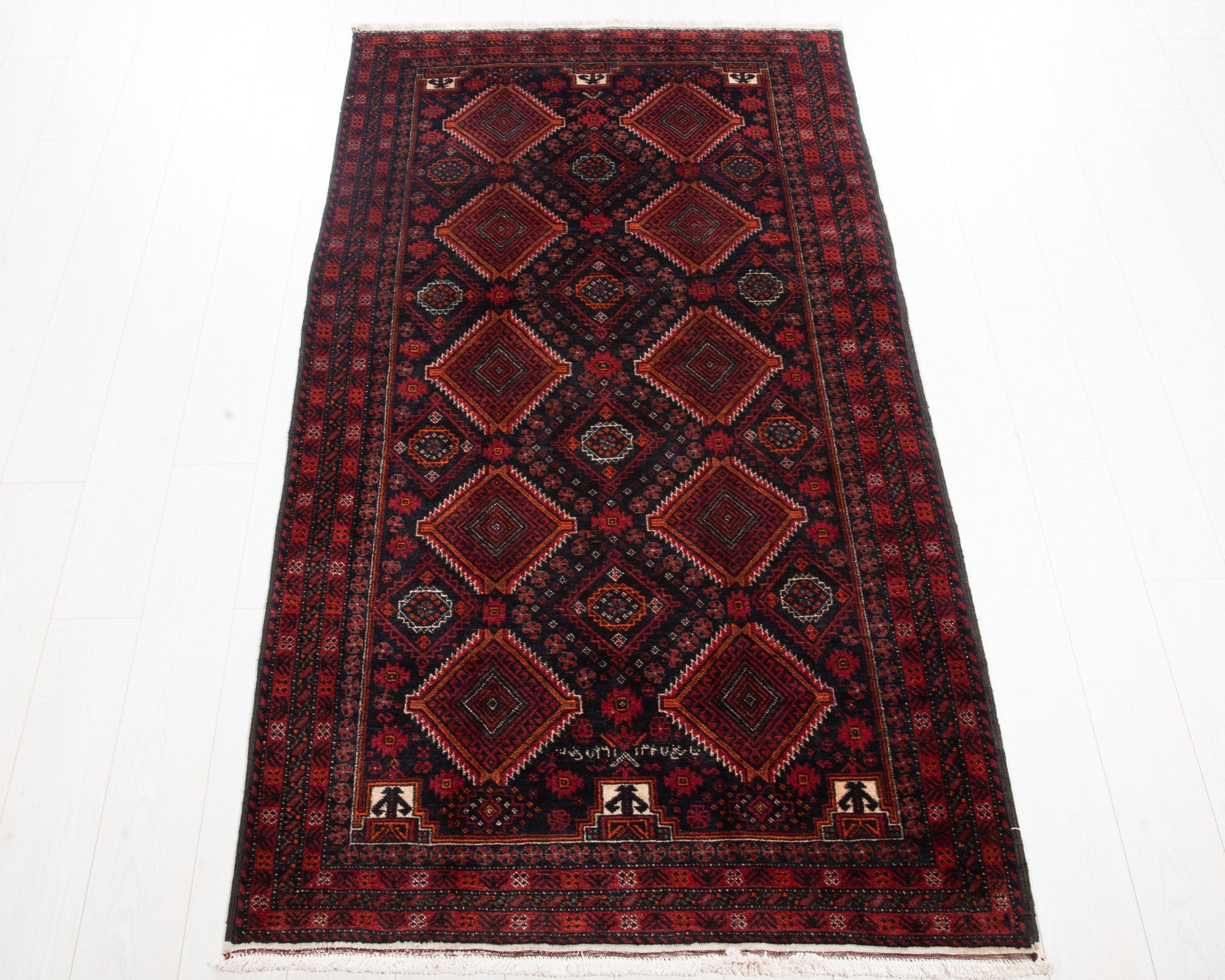
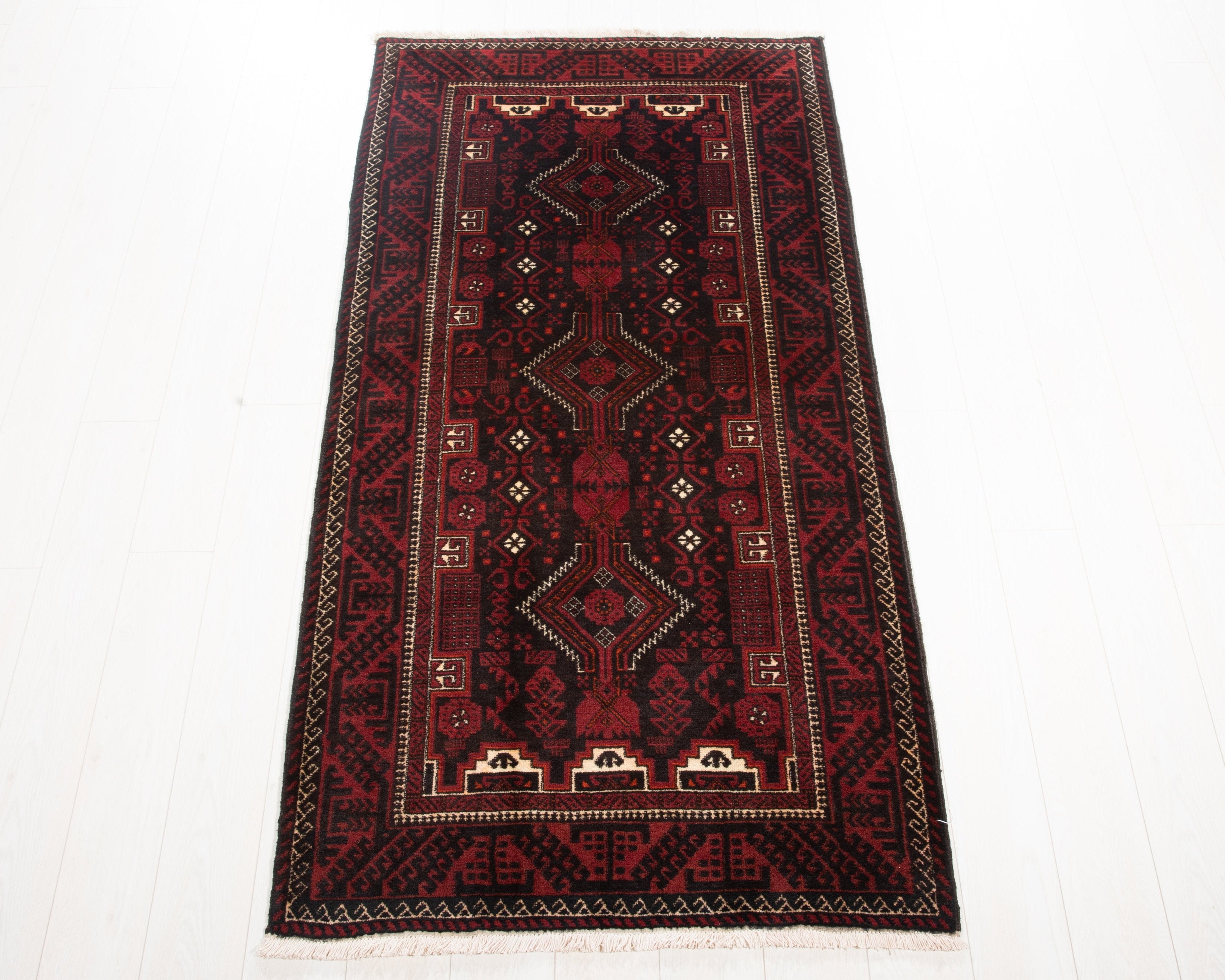
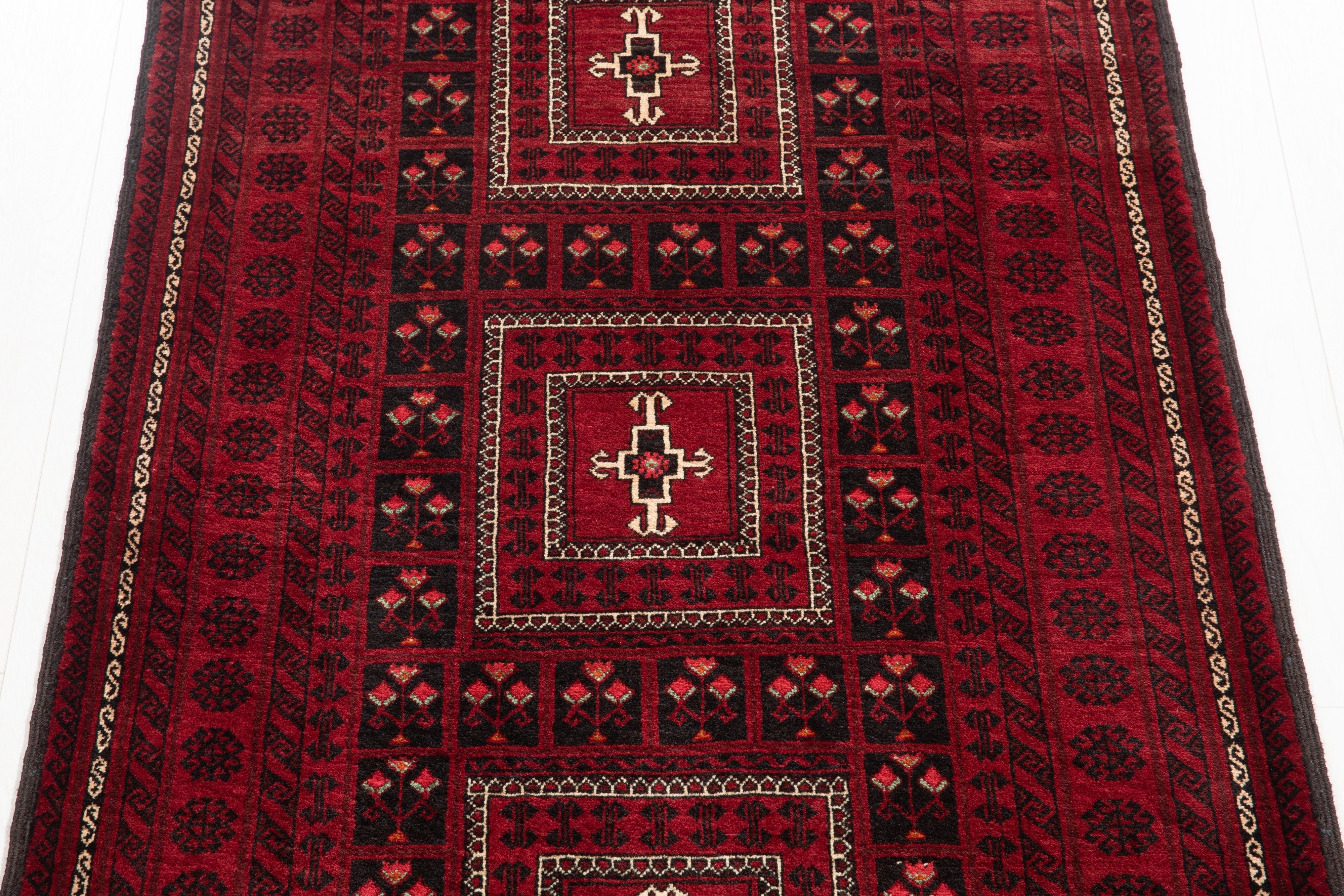
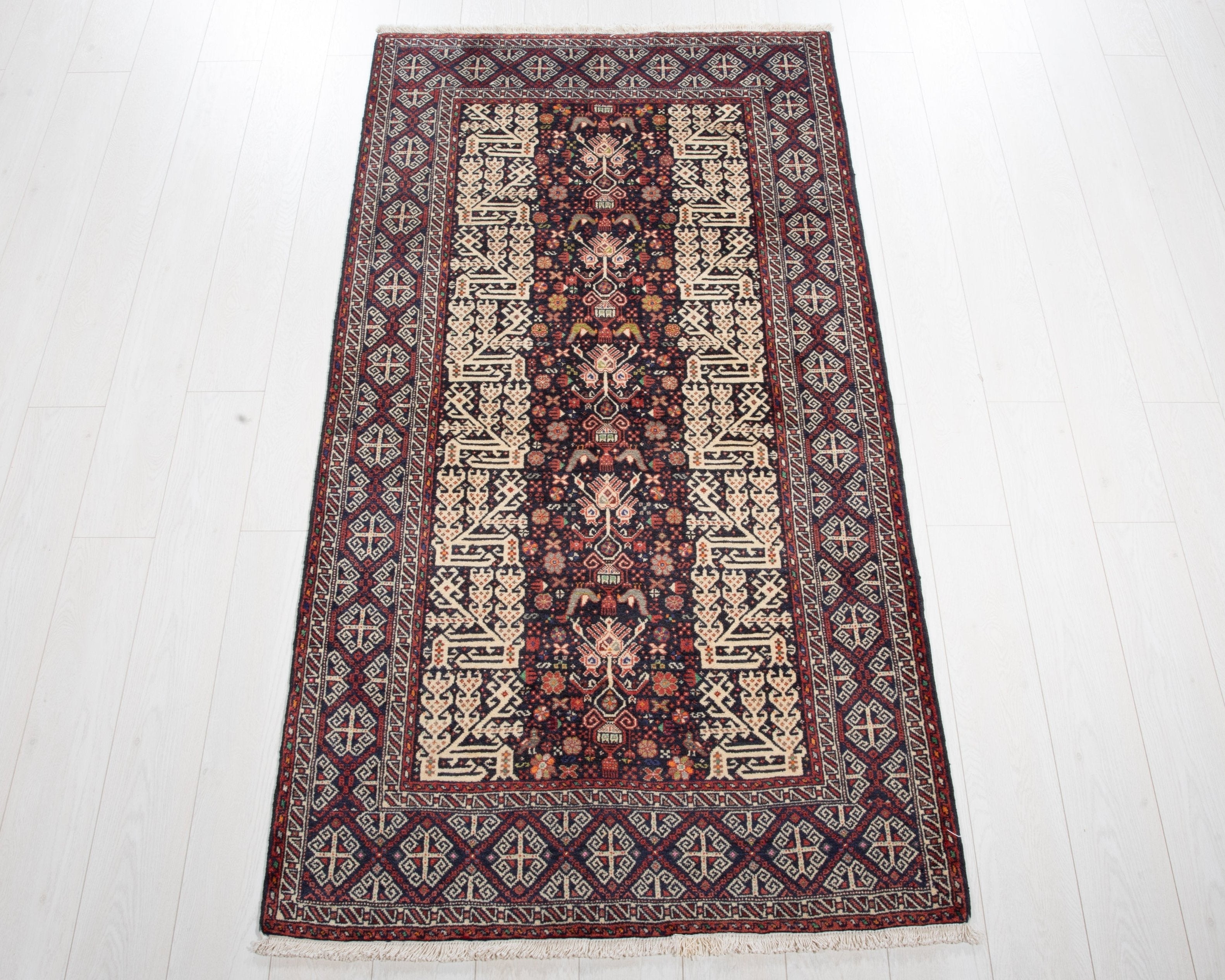
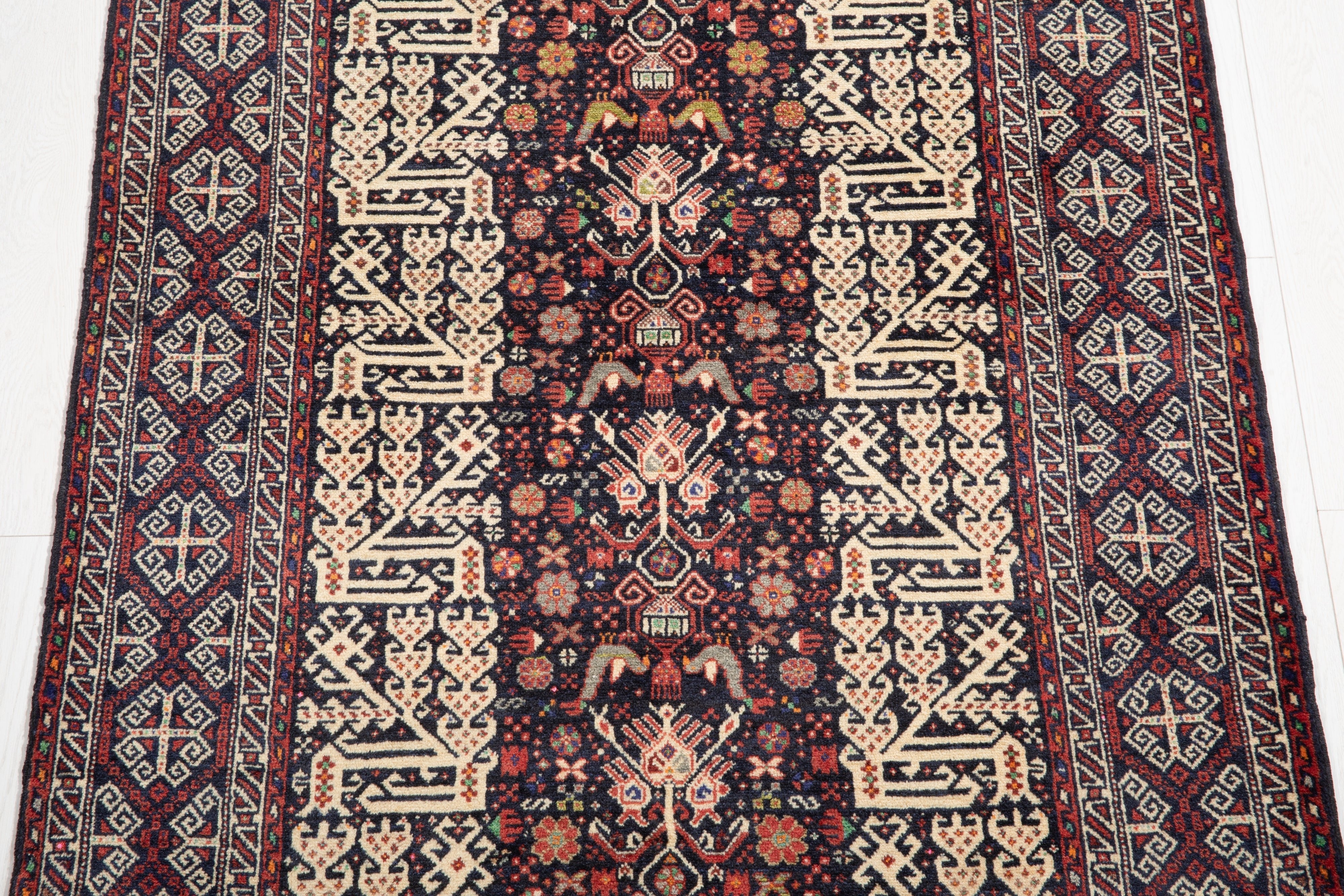
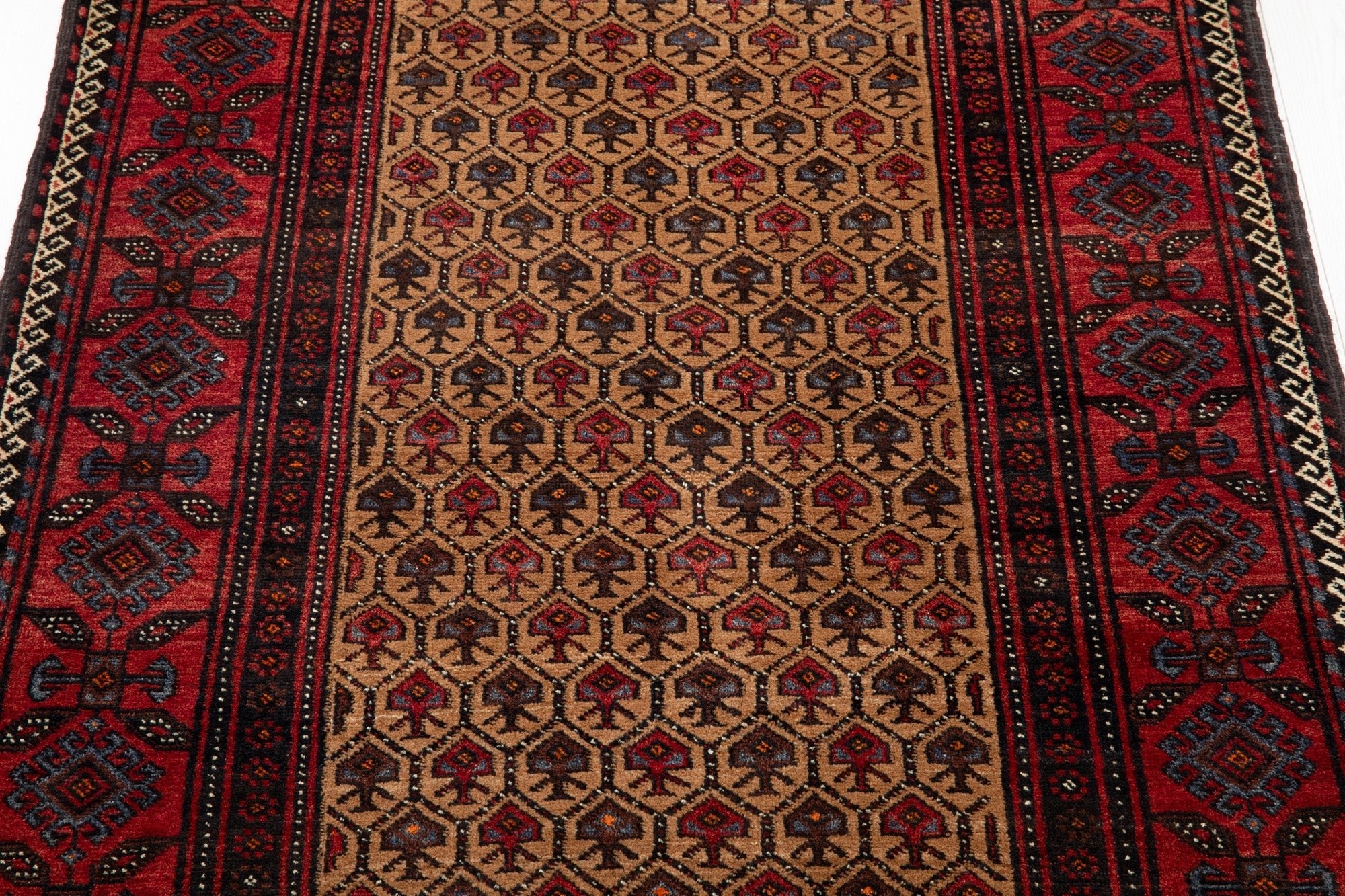
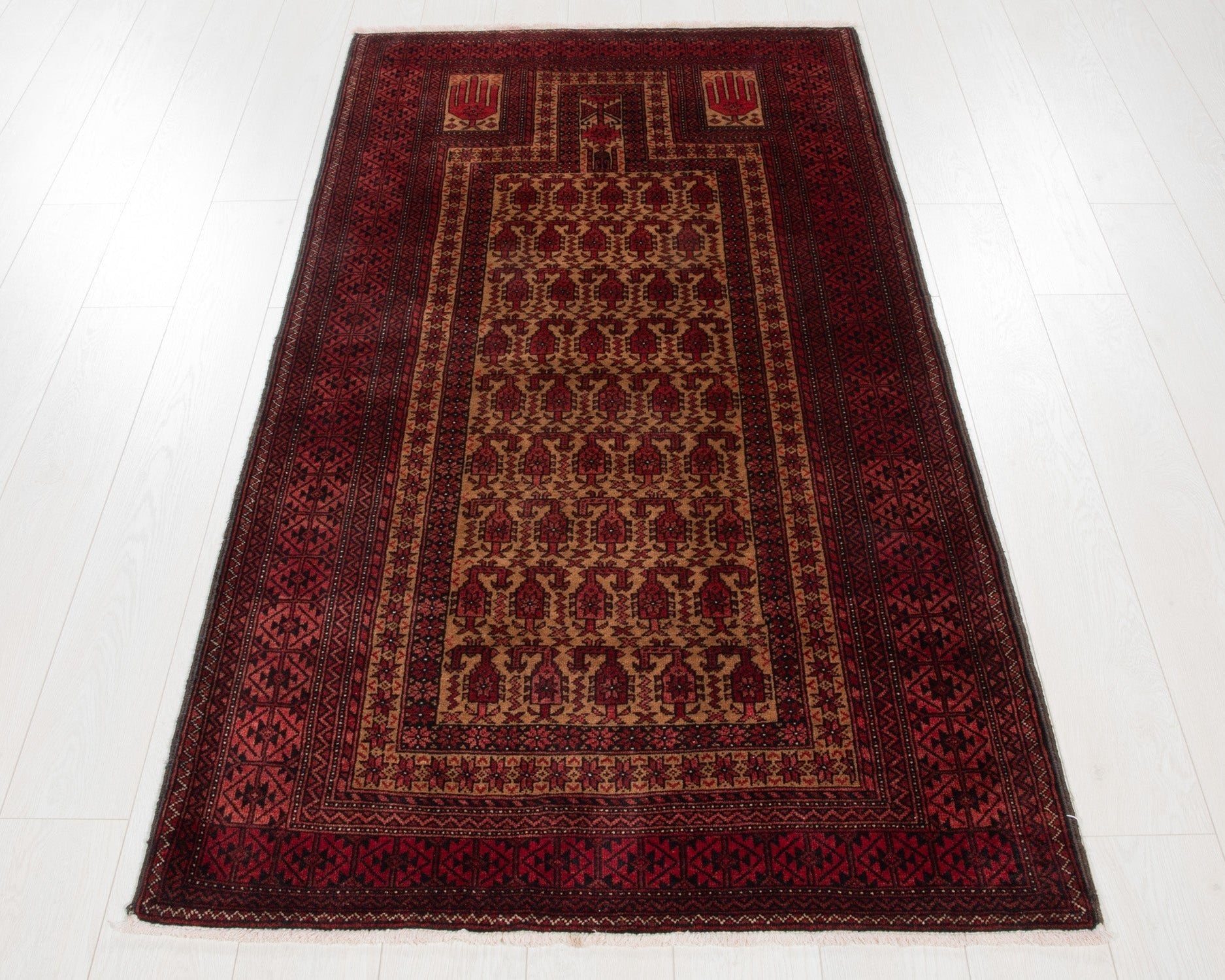
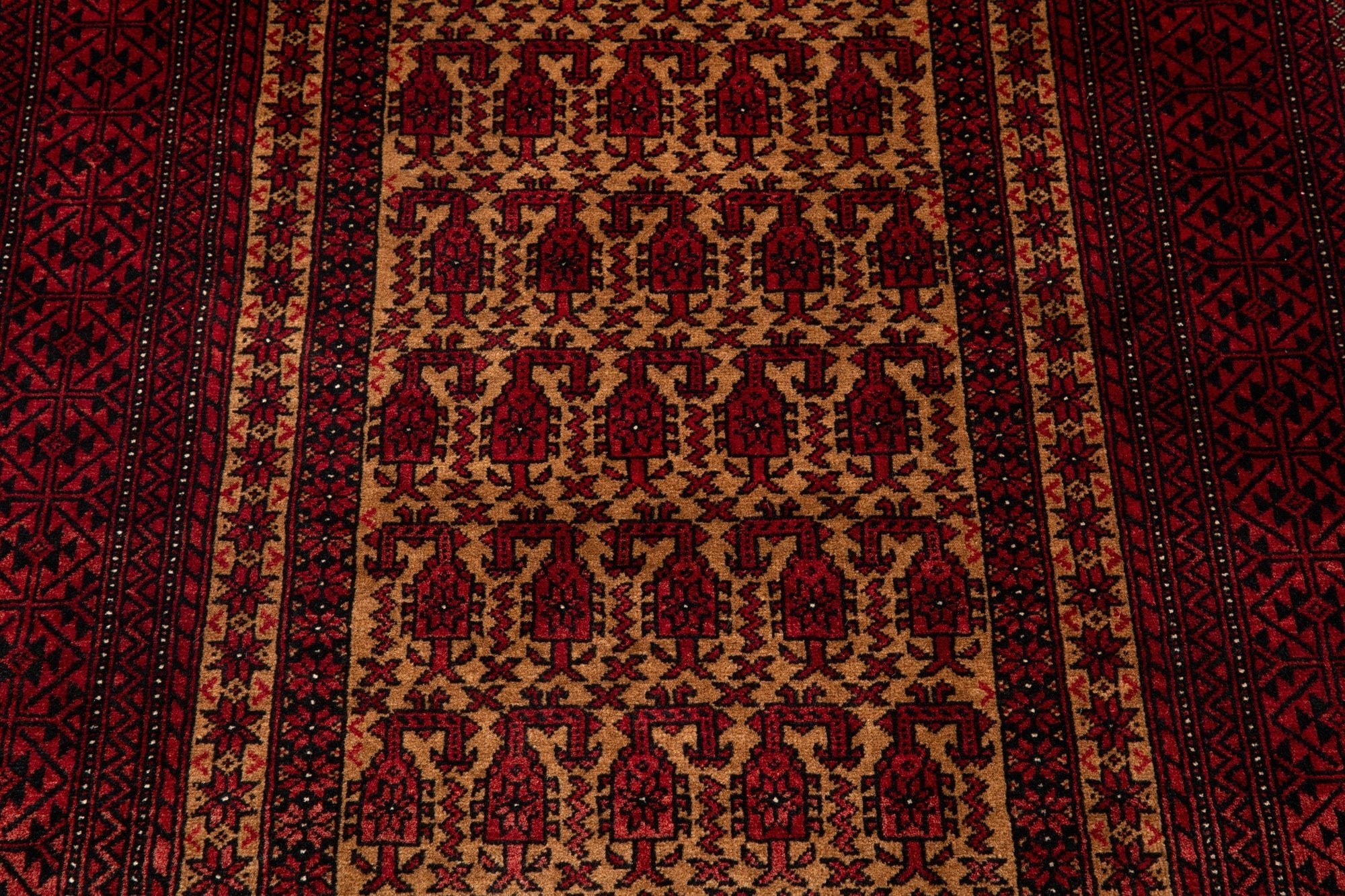
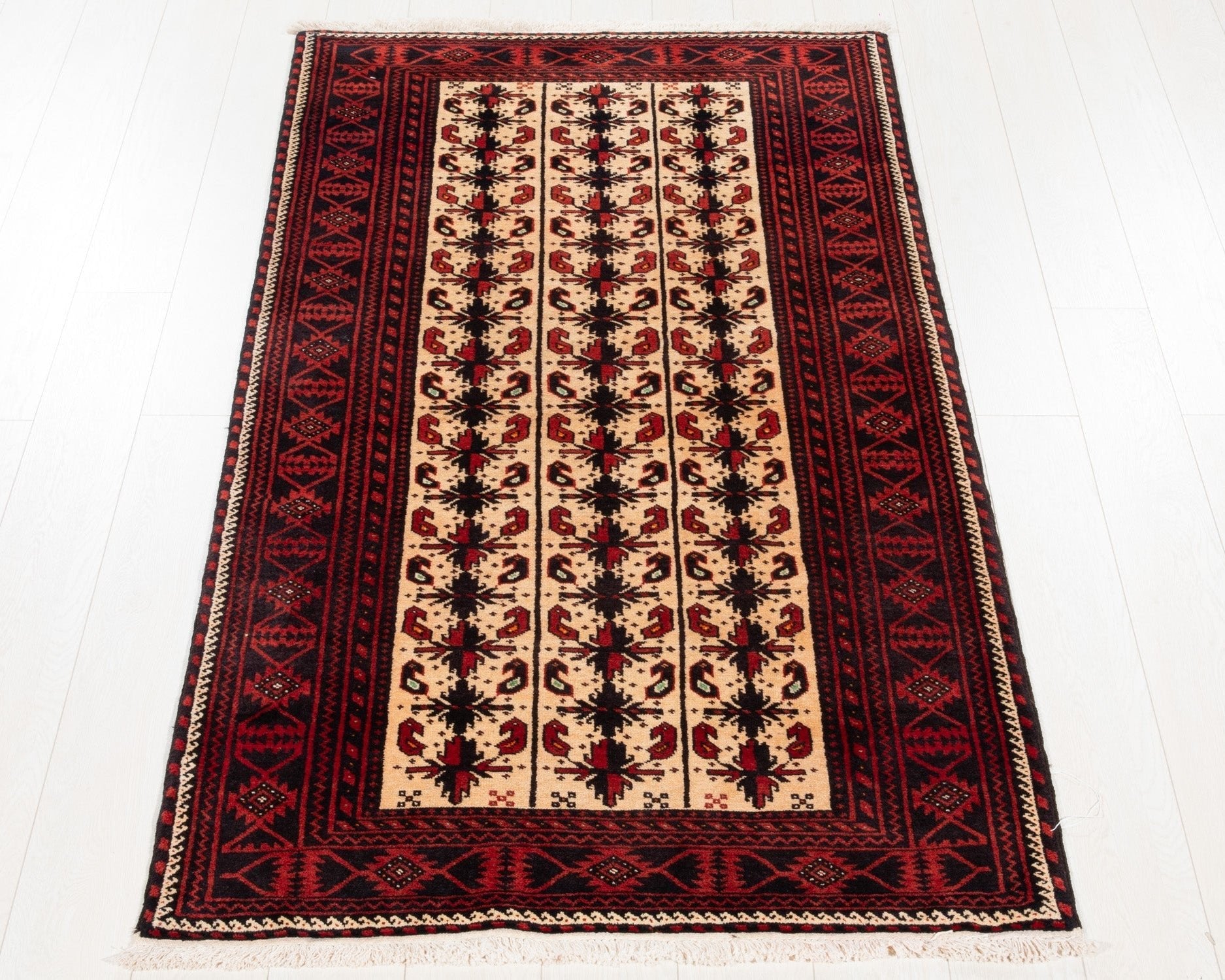
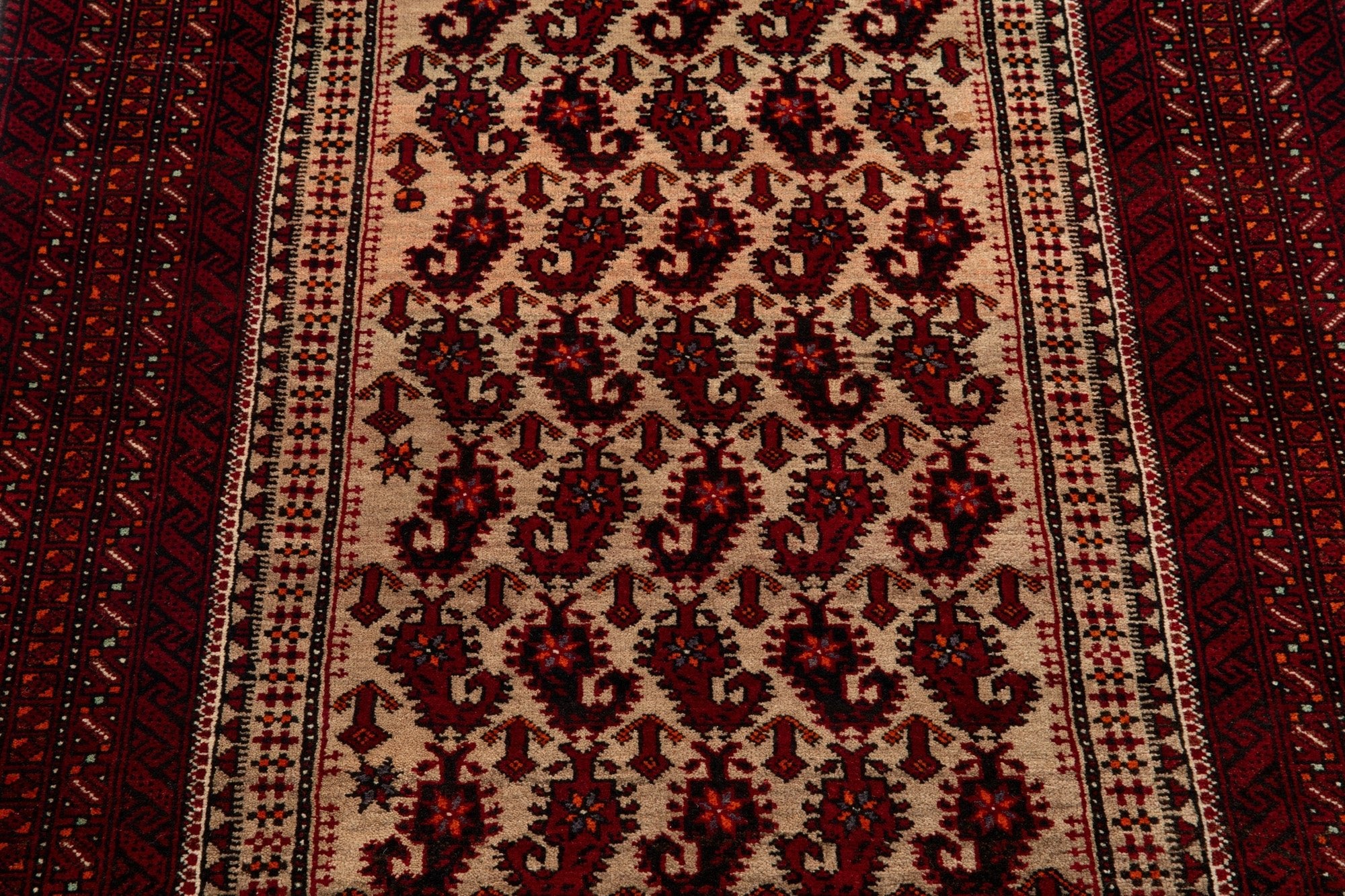
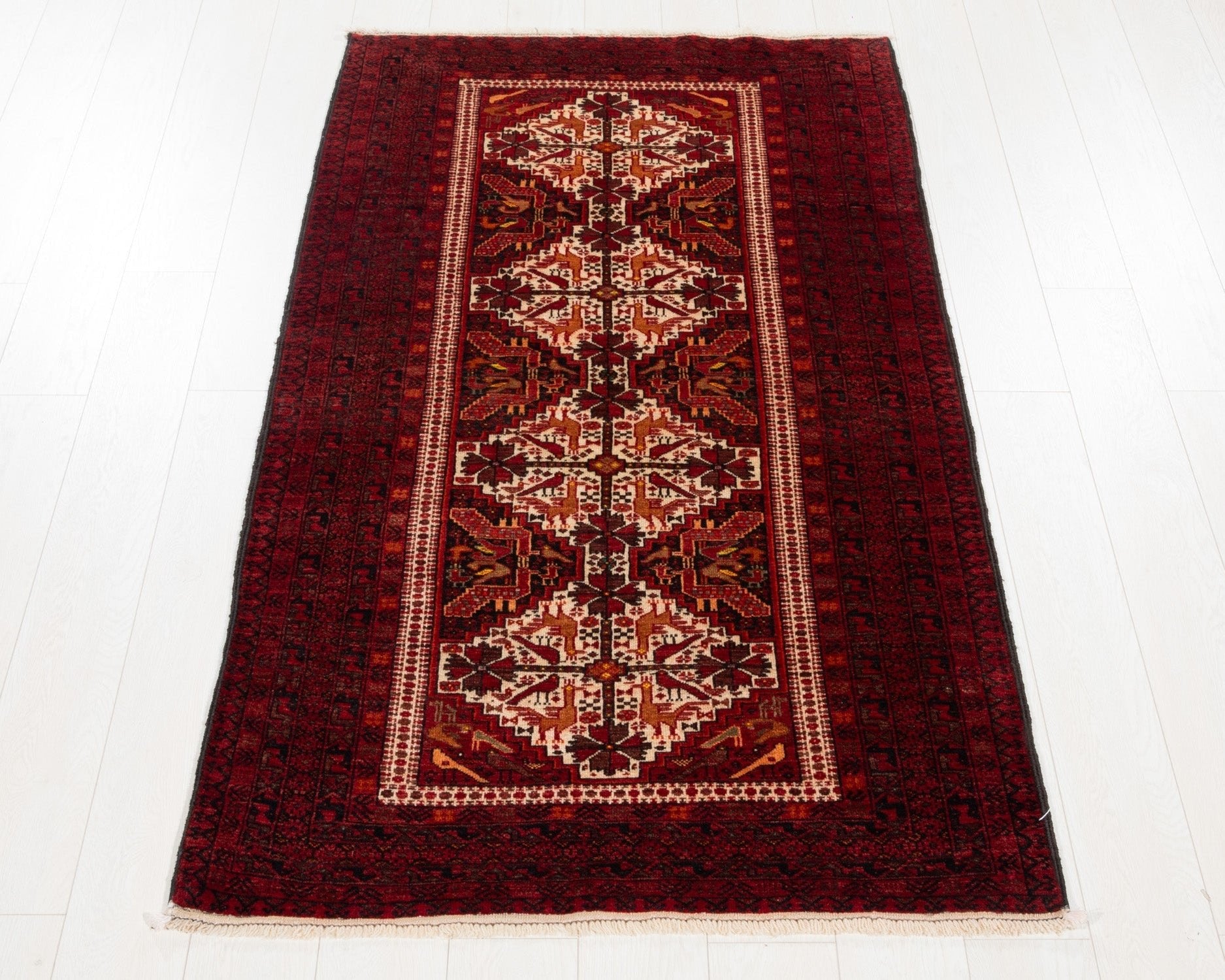
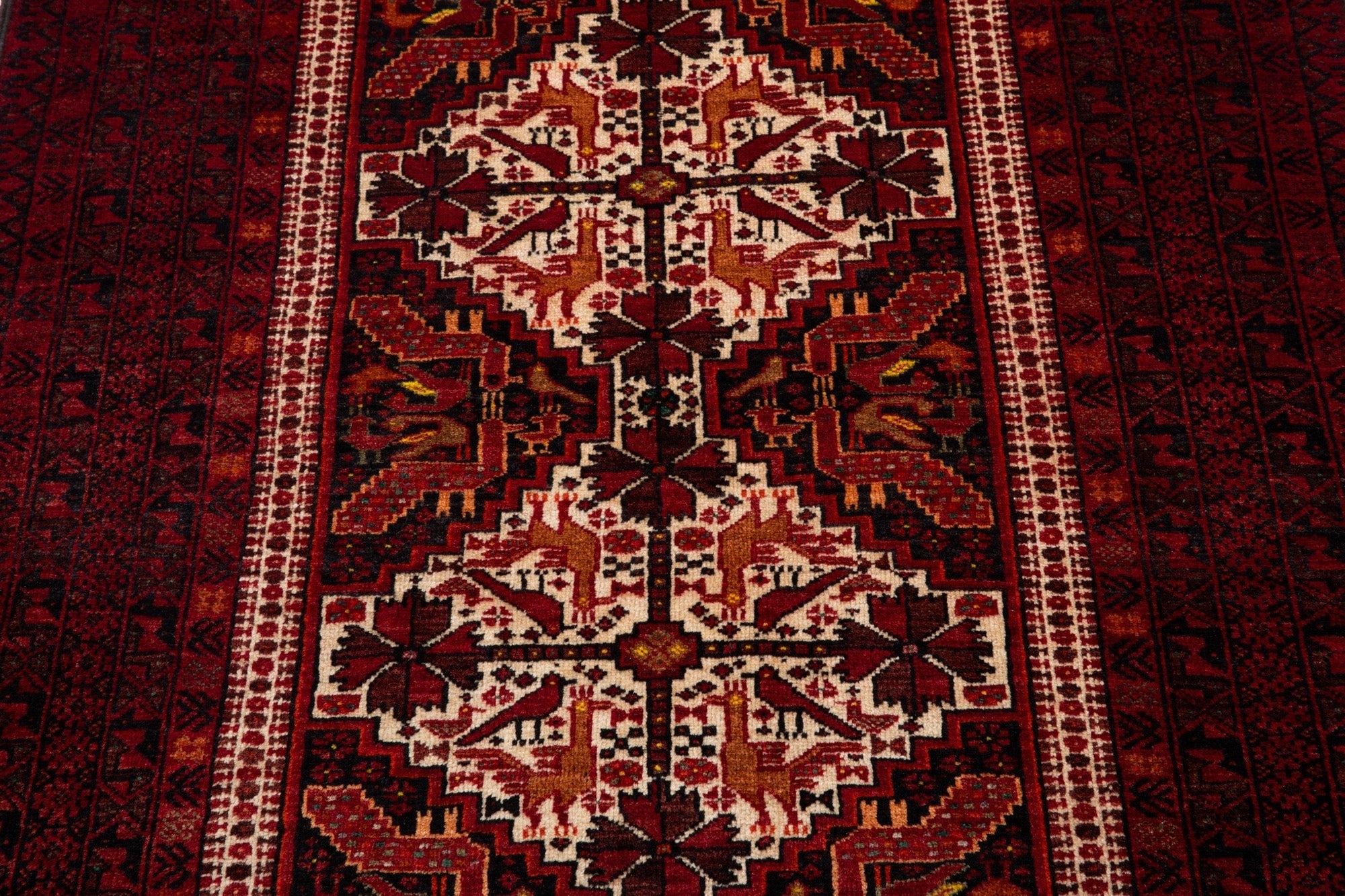
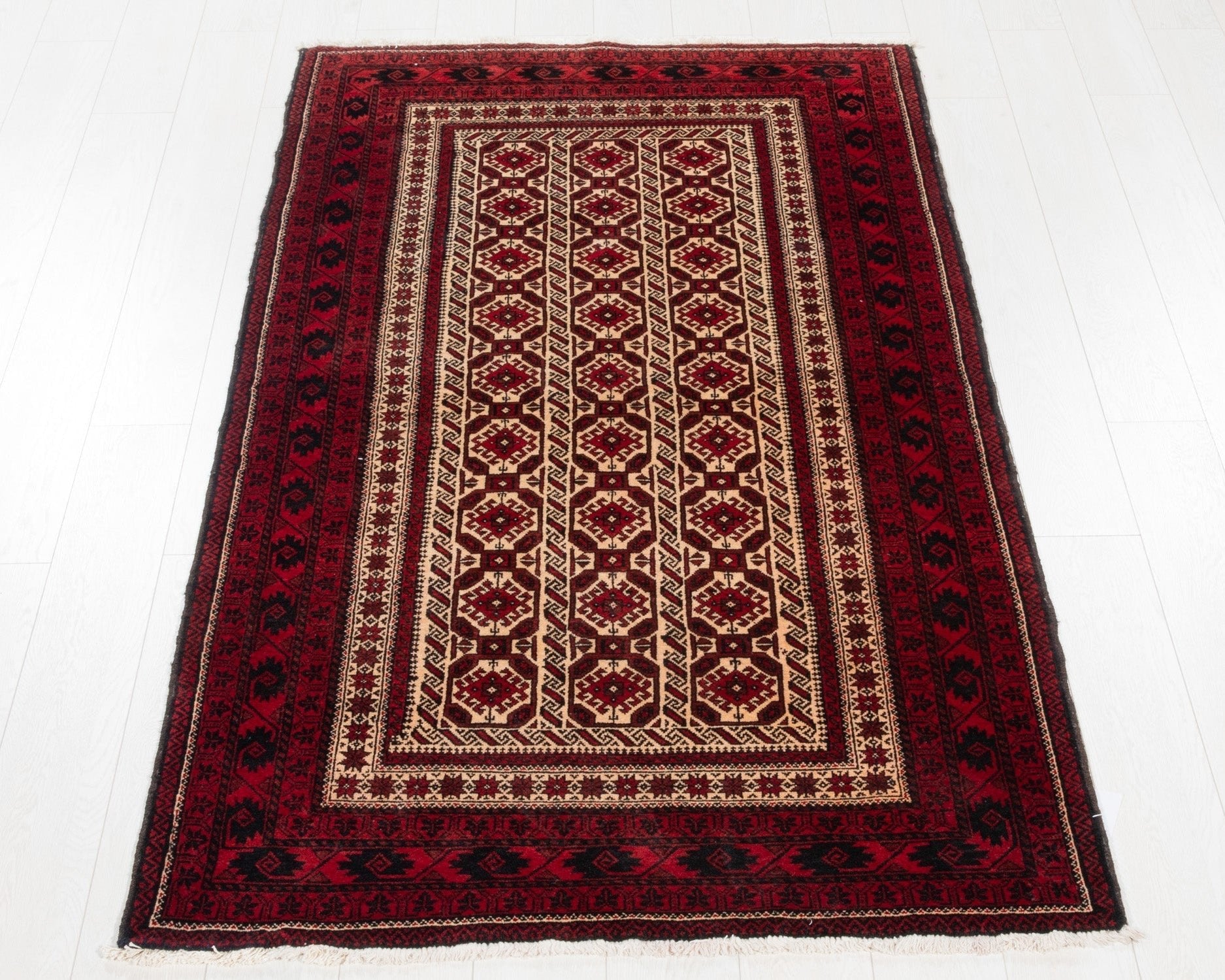
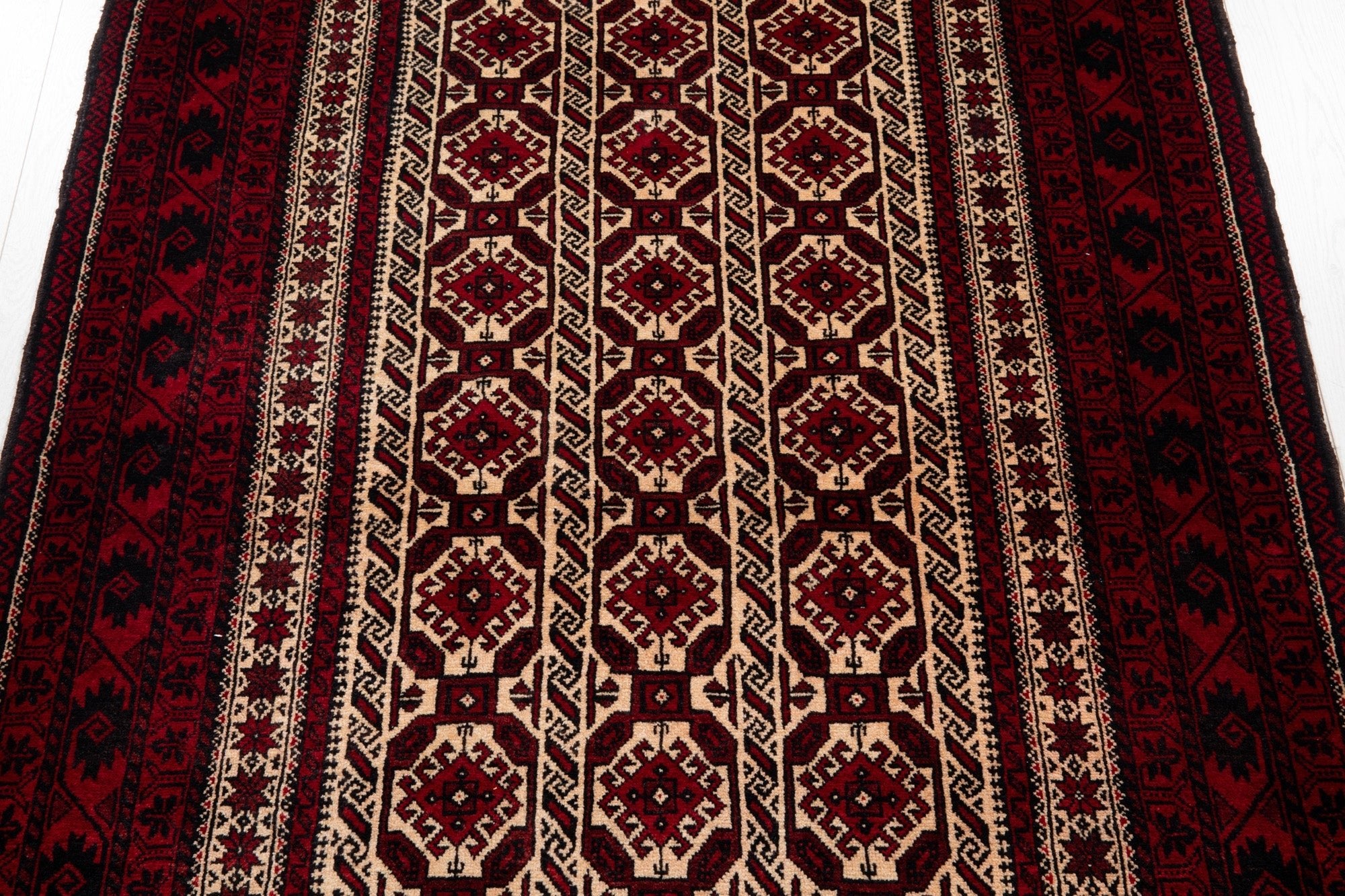
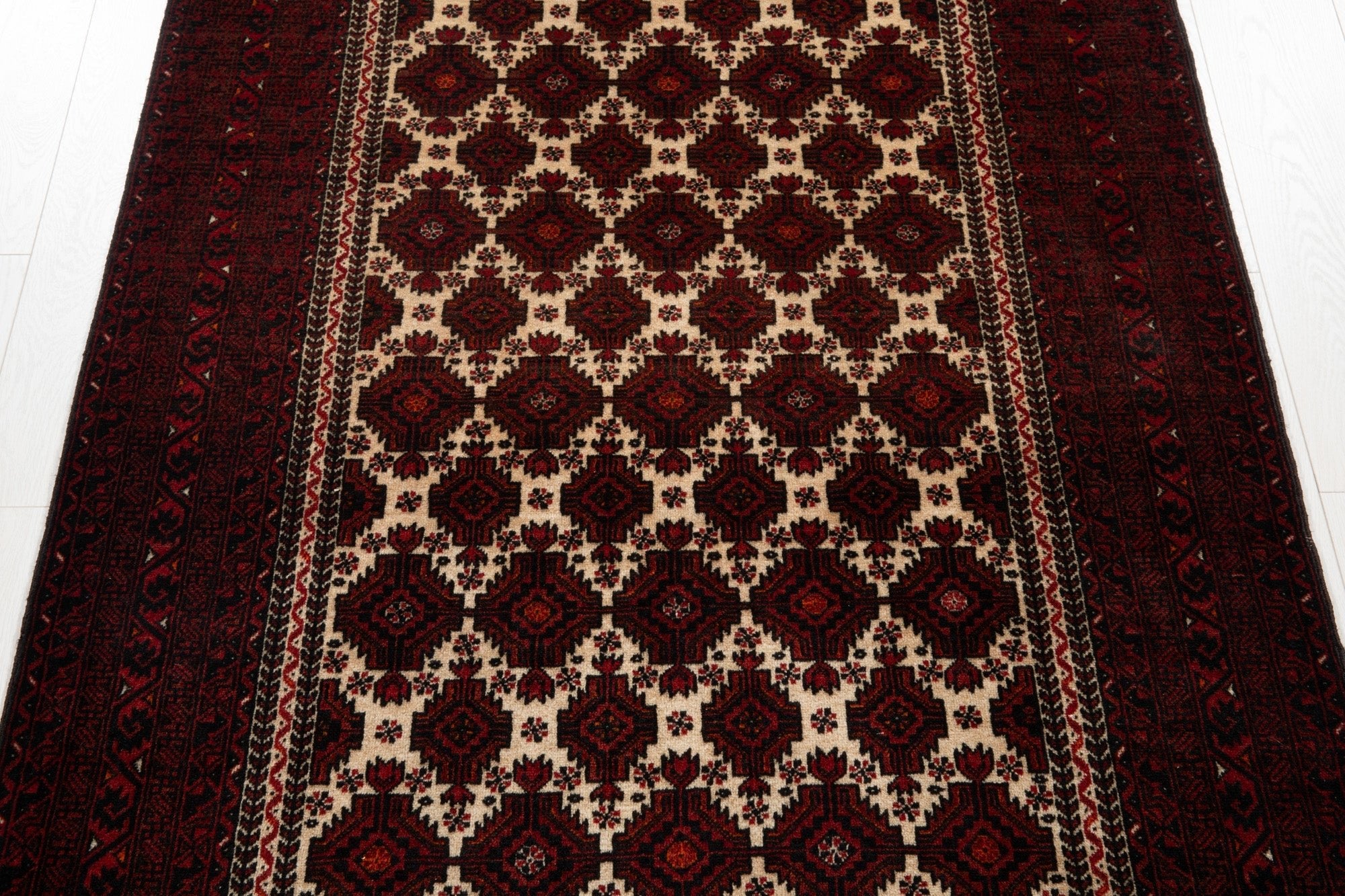
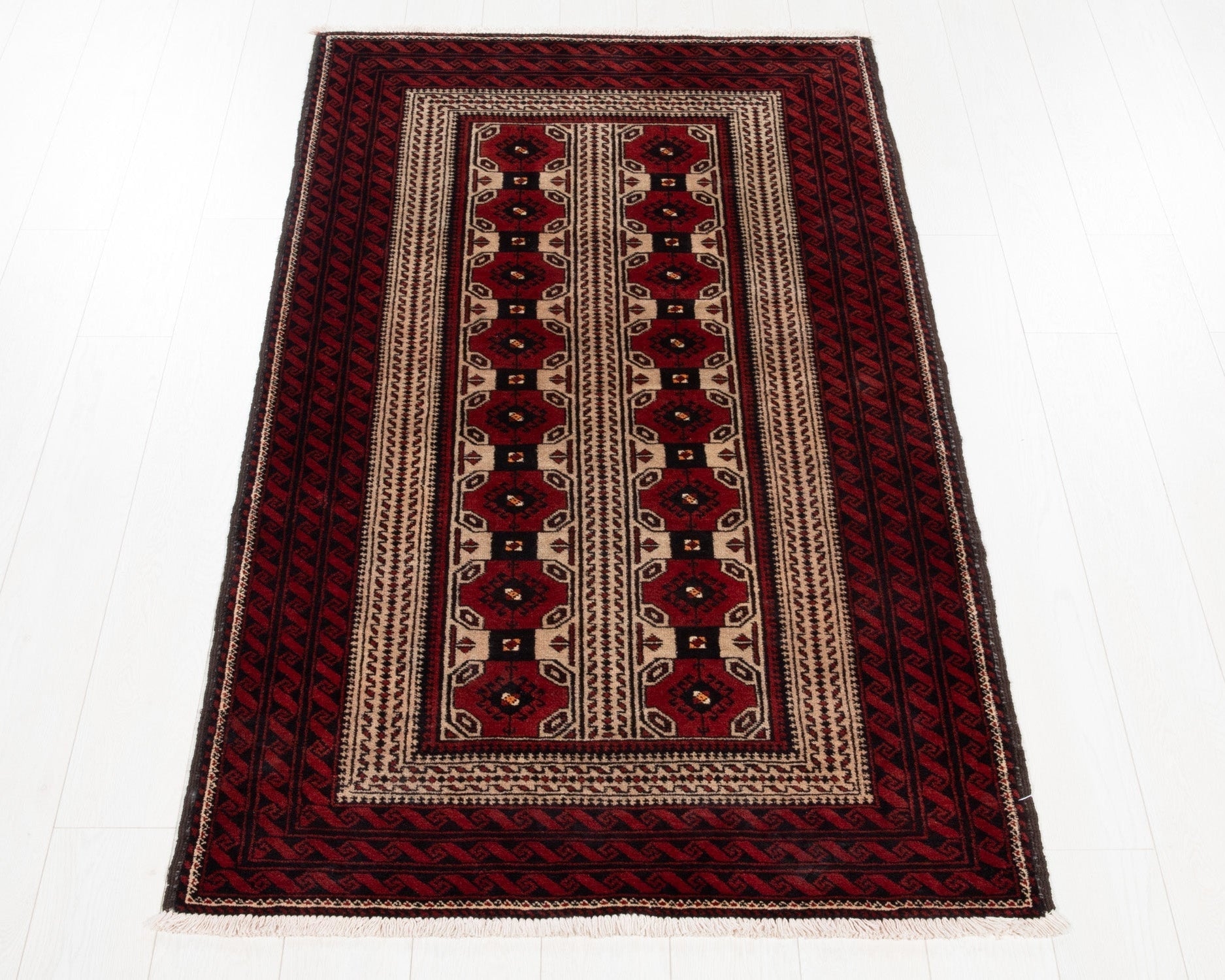
Baluch rugs take their name from the Baluch people, a nomadic and semi-nomadic tribal group whose traditional territory spans the border region of eastern Persia, Afghanistan, and Pakistan. While Baluch weaving spans all three countries, Persian Baluch rugs — woven within Iran's Sistan and Baluchestan region — are widely regarded by collectors as the finest of the group, distinguished by higher-quality wool, richer natural dyes, and tighter, more refined knotting than their Afghan or Pakistani counterparts. Unlike settled village weavers working at fixed looms, Baluch rugs were traditionally woven by tribal families as part of a migratory life, which shaped both their materials and their scale: pieces tend toward smaller formats, including prayer rugs, bag faces, and area rugs rather than room-sized carpets, sized to what a nomadic household could realistically produce and carry. What immediately sets Baluch rugs apart is their palette and density. Where many Persian tribal weaves lean toward bright, saturated color, Baluch weavers worked in a deep, somber register: rich madder reds, indigo blues, near-black browns, and camel-wool accents left undyed. Combined with fine, tight knot work — unusually dense for a nomadic weave — the result is a rug with a quiet, almost somber intensity, its geometric tribal motifs emerging gradually rather than announcing themselves. Structurally, Persian Baluch rugs vary by piece: some are woven on a wool-on-wool or wool-on-goat-hair foundation, in keeping with older nomadic tradition, while others use a wool-on-cotton foundation. Prayer rugs are a particularly common and sought-after format within this group, recognizable by their pointed mihrab (niche) design. Every piece in this collection is a genuine, all-Persian Baluch rug, hand-selected for structural soundness and authentic craftsmanship — no two are alike.